From Friday the 13th and black cats to tossing salt over one’s left shoulder to ward off evil spirits, superstitions and rituals are rooted in a mixture of religion, mythology, and folklore. They have the power to ward off evil, bring good luck, cure sickness, even stop people from performing certain activities on certain days.
However, every culture is different and what is unlucky in one may be lucky in another. Instead of Friday the 13th, it is Tuesday the 13th that is thought to be unlucky in Chile, Colombia, Costa Rica, Cyprus, Ecuador, Greece, Mexico, and Serbia. For Italy, it is Friday the 17th.
Where a black cat can be thought to mean bad luck, in Ireland it may lead to fortune as “several of the great lake serpents and water-cows of our Irish Fairy Mythology are supposed to guard treasurers; in some instances black cats are similarly employed” (Wilde, 98).
Some of Ireland’s other superstitions and rituals revolve around fairies and goblins, stating,
“…if you cast the dust that is under your foot against the whirlwind at the instant that it passes you, “them that’s in it” (that is, if they have any human being along with them) are obliged to be released” (Wilde, 130).
Then there are those that involve fire, most notably on days of celebration such as May Day and St. John’s Eve or Midsummer’s Eve:
“If a man was to perform a long journey, he leaped backwards and forwards three times through the fire to render himself invulnerable” (Wilde, 49).
“When the fire has nearly expired, and the dancing, singing, and carousing are over, each individual present provides himself with a braune, or ember of the fire, to carry home with him, which, if it becomes extinguished before he reaches his house, it is an omen of impending misfortune” (Wilde, 49).
“Walking around a burning flame during St. John’s Eve or Midsummer’s Eve spares one from being sick the whole year” (Putzi, 196).
Other curious Irish rituals include keeping spiders in a bag to be worn as a pendant or necklace to cure fever. However, if the bag is opened it will cause back luck. To remove a sty on one’s eyelid, the person should point to the direction of a gooseberry thorn nine times while chanting “Away, away, away!”.
But if things still go awry, you find your milk has curdled, you can always blame the fairies!
Other superstitions and rituals can be found in:
Putzi, S. (Ed.). (2008). To z world superstitions & folklore : 175 countries – spirit worship, curses, mystical characters, folk tales, burial and the dead, animals, food, marriage, good luck, and more. ProQuest Ebook Central https://ebookcentral.proquest.com
Wilde, W. R. (1852). Irish popular superstitions. J. McGlashan.
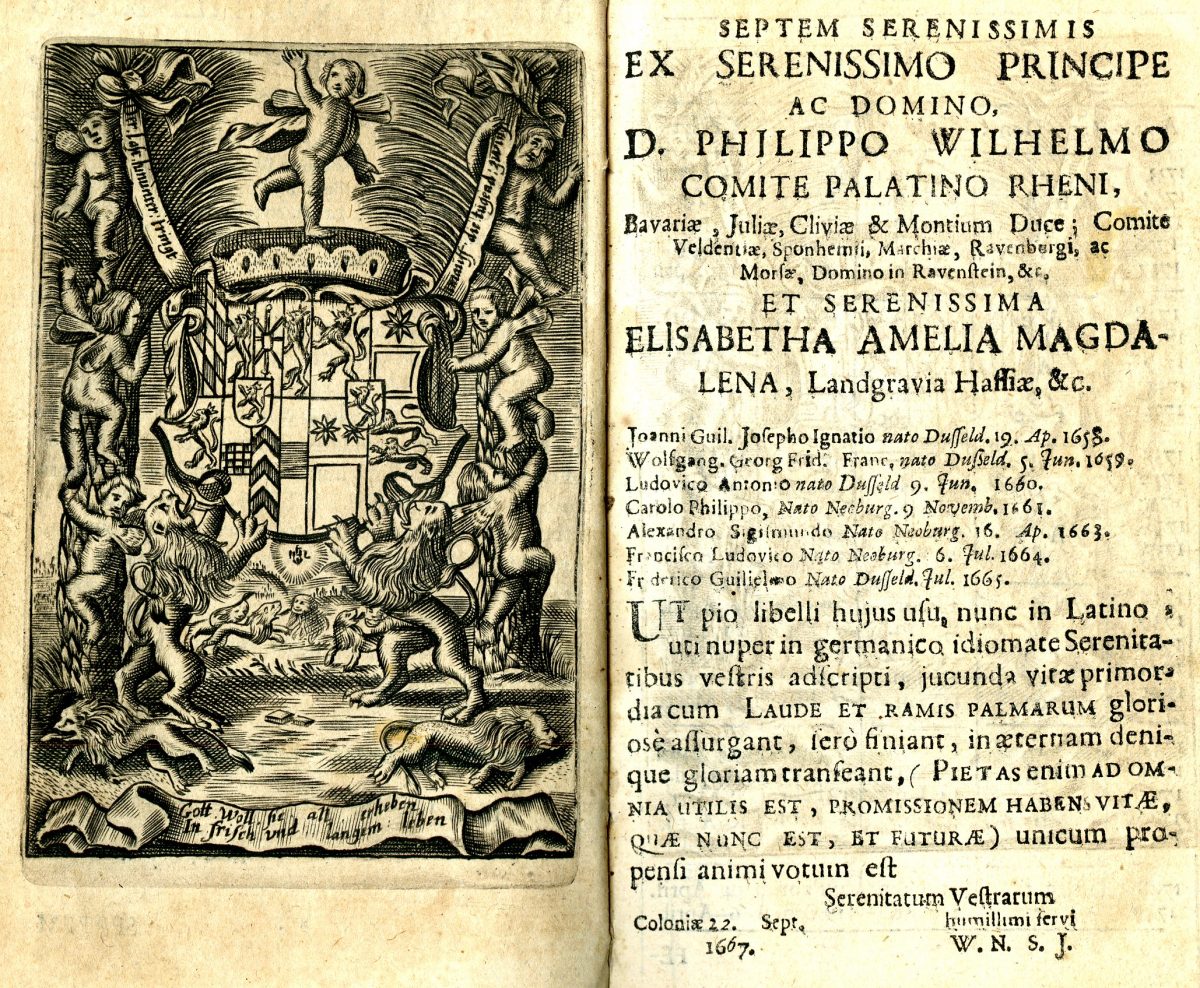






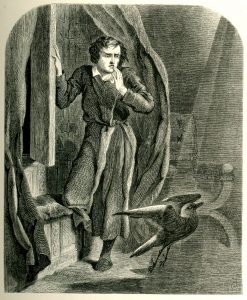
 The Archives & Special Collections Center at Seton Hall University features a group of printed volumes from the collection of Irish literary figure and noted book collector Michael Joseph (Meagher) MacManus (1888-1951) who wrote various nationalist-themed books and worked as editor of the Irish Press from 1931 until his death two decades later. This library includes over 3,000 titles dating from the seventeenth century to the present day and covers several different aspects of Irish and Irish-American life including culture, geography, literature, politics, biography, history and religion. Nearly all editions are printed in either English or Irish (Gaelach). The core of this collection consists of acquisitions secured by MacManus during his lifetime, but arrangements have been made to add latter day works to what has become a continuously expanding bibliography.


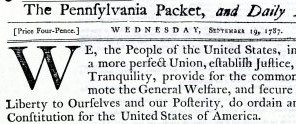

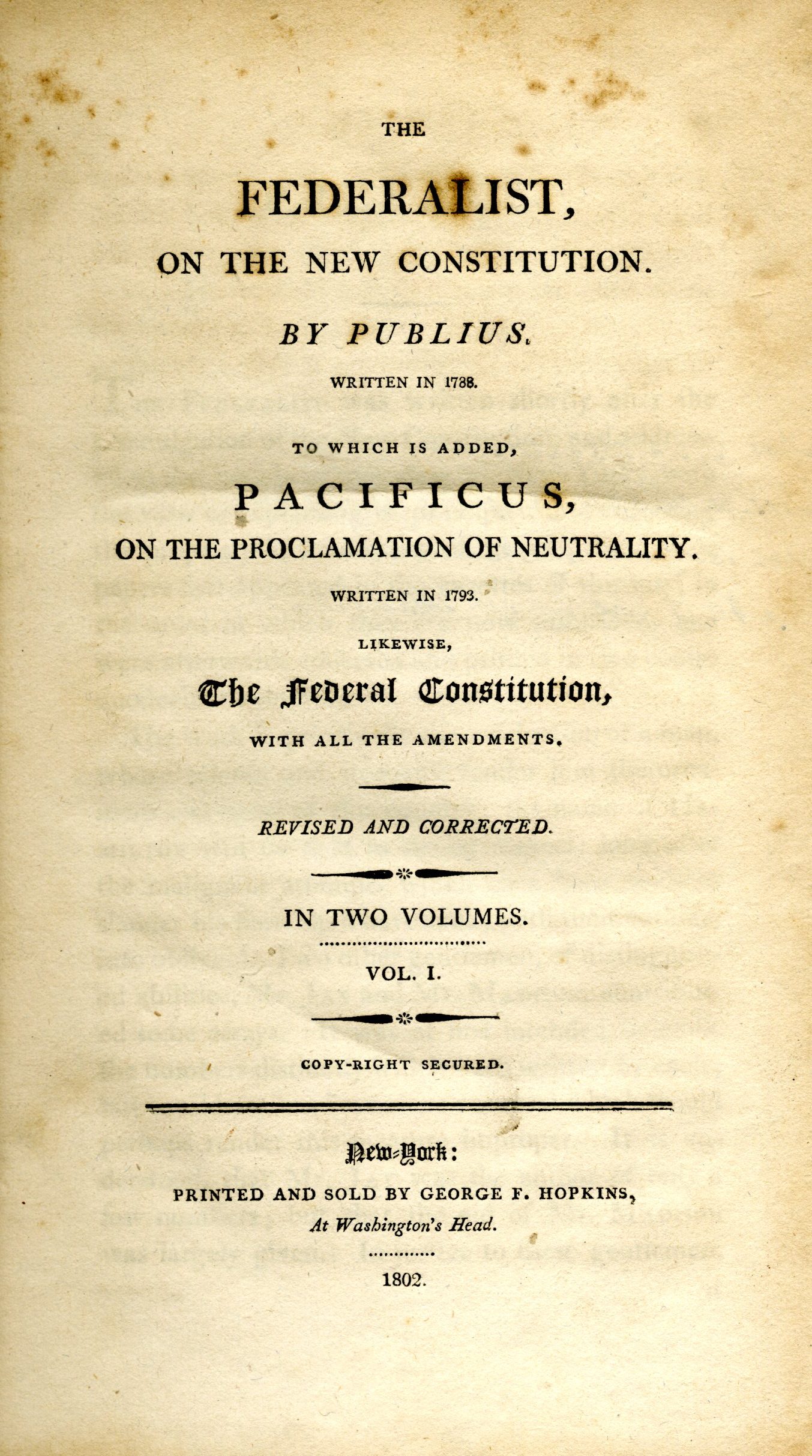
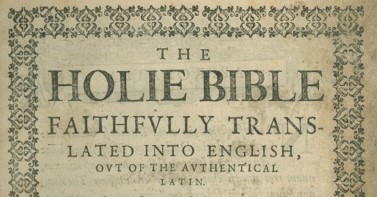
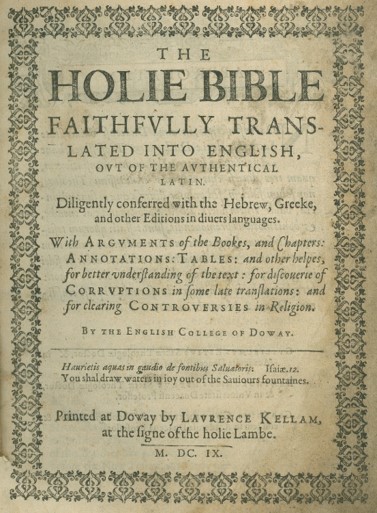
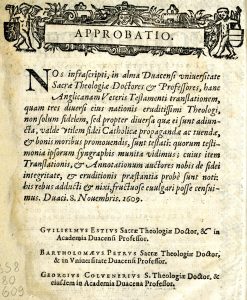
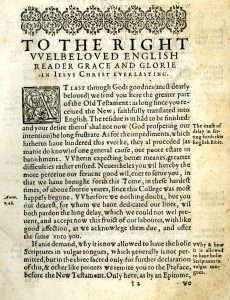
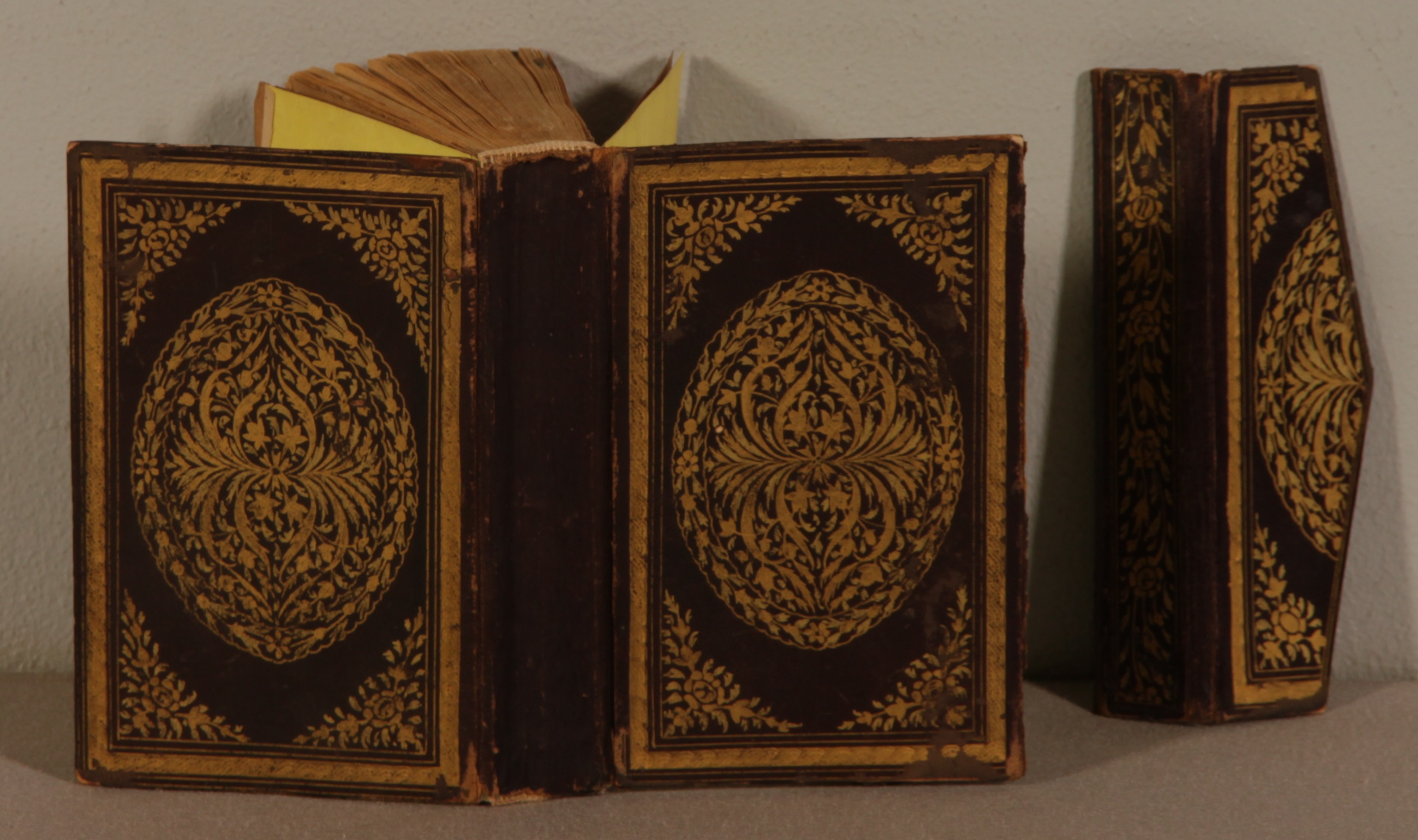
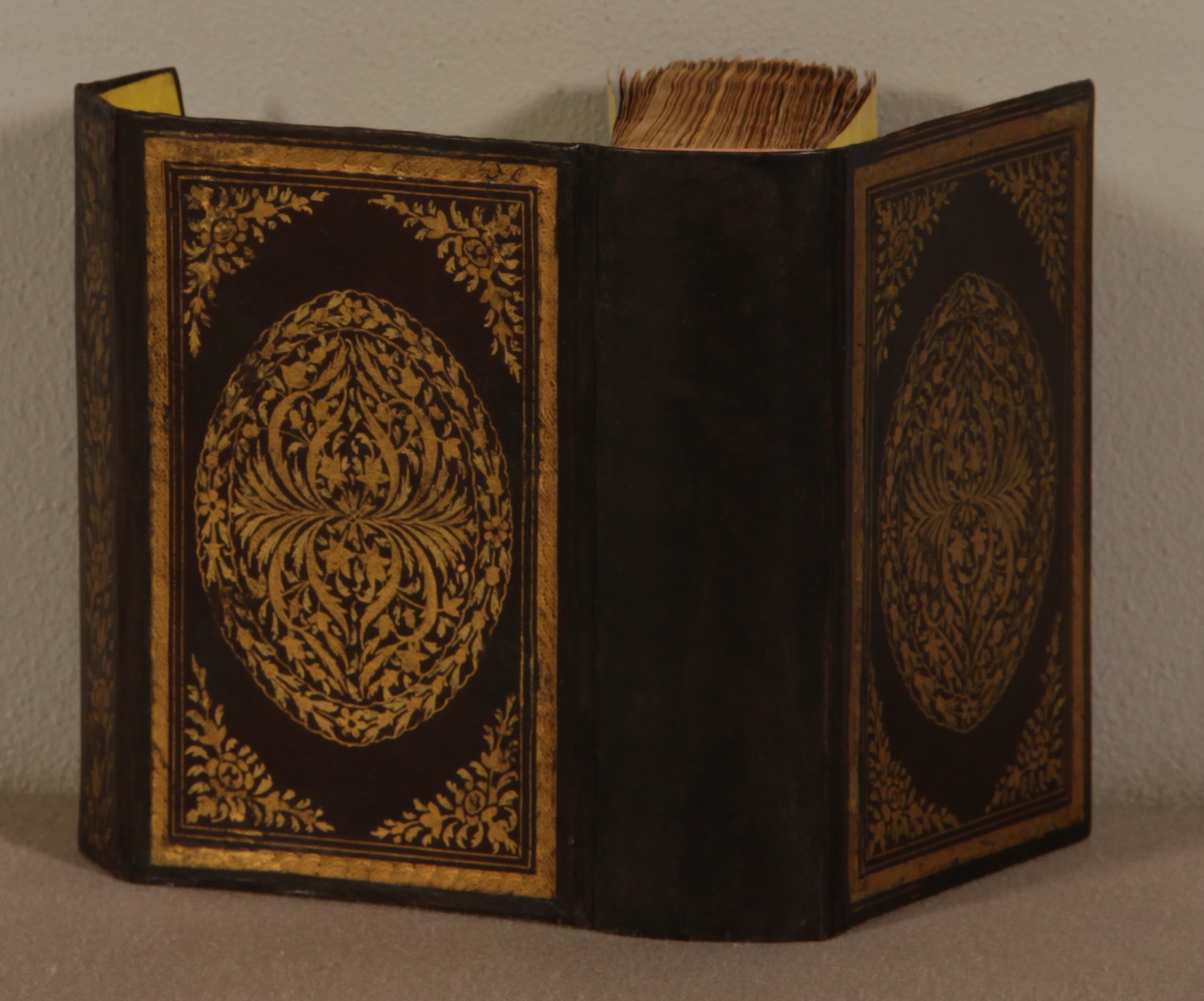
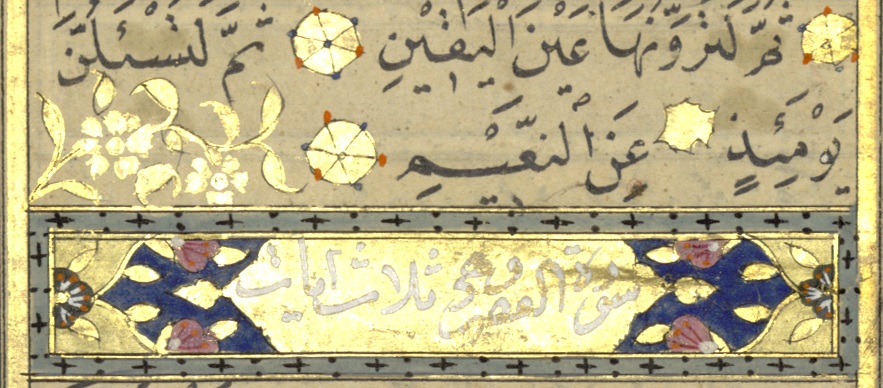
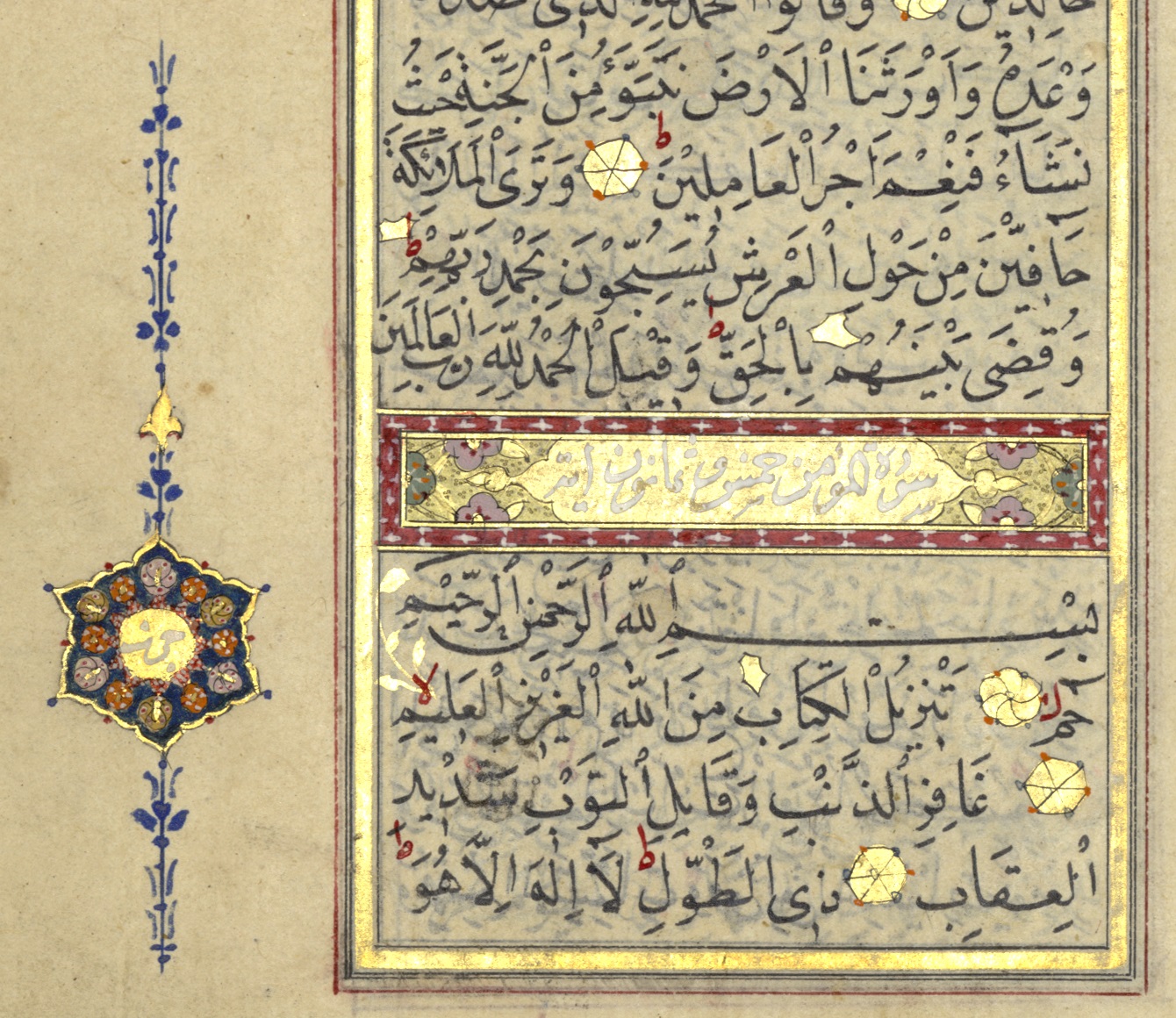
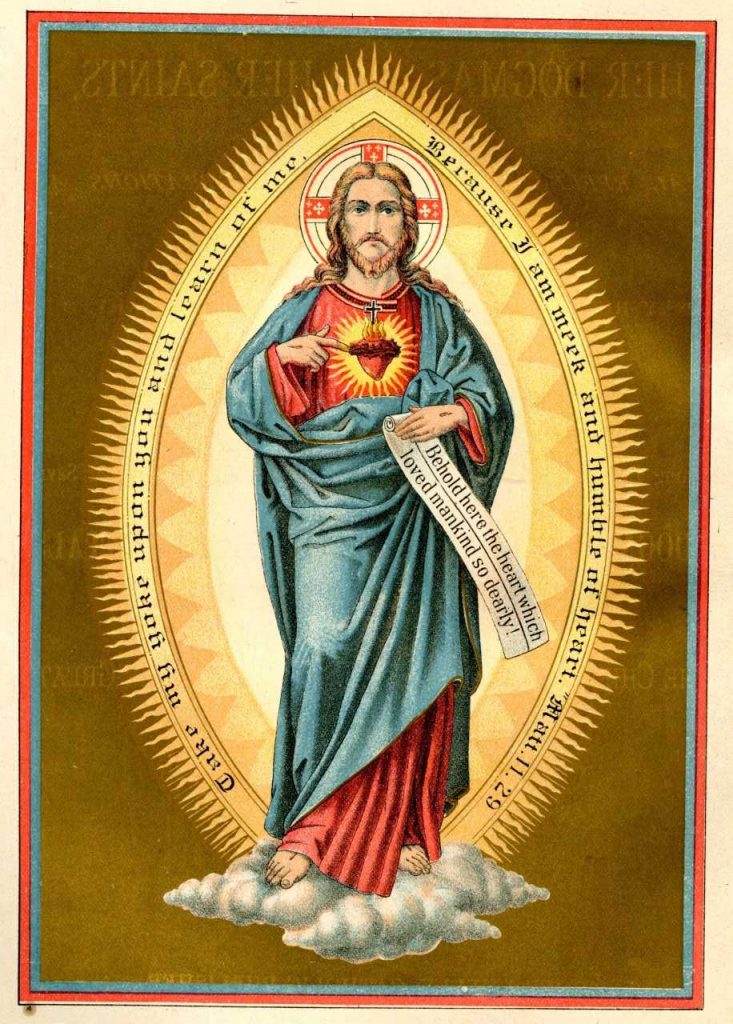 The commemoration of All Saint’s Day (also known in some quarters as “All Hallows’ Day,” “Hallowmas,” “Feast Of All Saints,” or “Solemnity of All Saints”) recognizes the lives and legacy of saints and martyrs in history and is celebrated not only in the United States, but globally. It is a Christian-based holiday that is observed every year on November 1st among Western Churches and the first Sunday after Pentecost in Eastern Rite Churches. The traditional rituals found to be connected with All Saints’ Day include personal reflection and formal remembrance combined with a religious service to honor those who are recognized for their exceptional piety. Their tales are often recounted in print form and available to future generations to discover.