Contributed By Jack Kelly, BA ‘66, MMAS US Army Command and General Staff College, 1981
Anyone writing about Seton Hall student organizations history can access significant material in the Archives & Special Collections Center. This is especially true with regard to the founding and first airing of radio station WSOU-FM, the first College operated FM station in New Jersey. On April 14, WSOU celebrated its 72nd Anniversary.
Among the archival items which provided the background and ensuing explanation of the WSOU founding were the Memoirs of Msgr. James F. Kelley ’24, the President of Seton Hall College. The Memoirs have a section devoted to WSOU as a student run activity and can be coupled with important description of the events which took place from the inception and thought to the actual on-air event on April 14th, 1948.
As a new of enterprise, Seton Hall needed approval of the Board of Trustees and the then Archbishop of Newark, Thomas J. Walsh for whom the Walsh gymnasium is named and the home of WSOU for its 72 year history. Msgr. Kelley described an exchange with U.S. President Harry Truman and his daughter Margaret, at which time a possible allocation of a station might be accomplished. He merely had to educate and persuade the Board of Trustees. In addition, the actual cost of the building of the station would be a significant amount of money, Msgr. Kelley finessed this by persuading several donors to finance the acquisition of the needed equipment, and through his many contacts, he even acquired a radio tower, which still stands today at the rear of the Walsh Gymnasium and Regan Athletic Center complex.
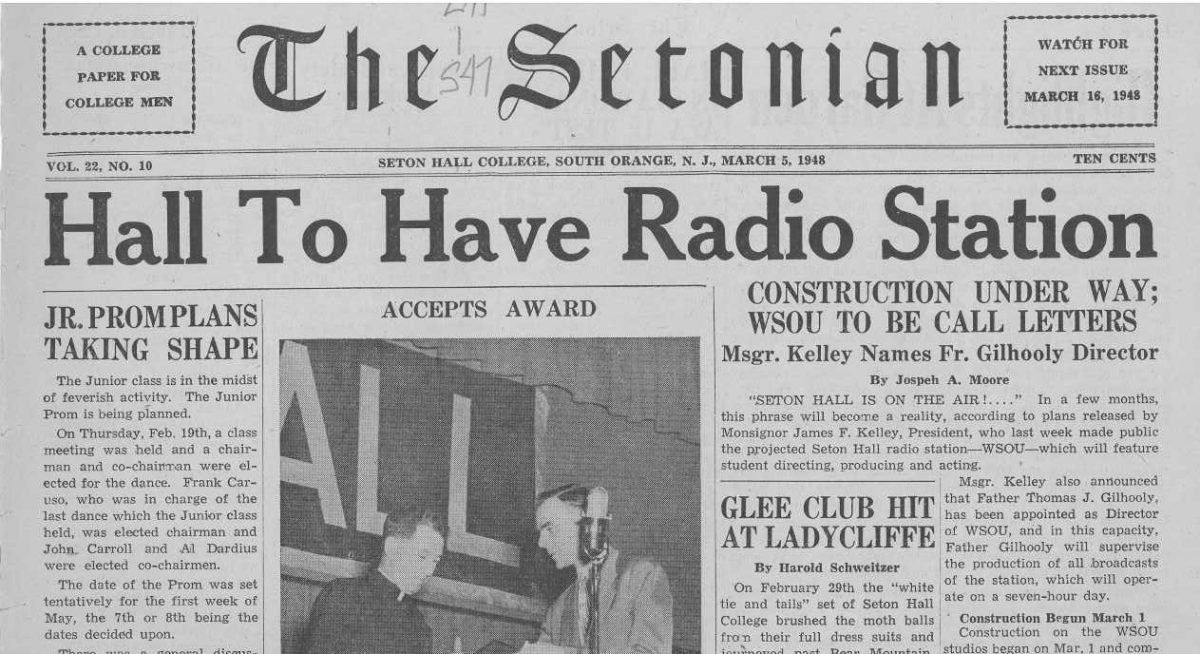
Construction of the Seton Hall radio station actually began in January 1948, as reported in the Setonian, under the tutelage of Fr. (later Msgr.) Thomas J. Gillhooly ‘33 whom he had appointed the Director, in the previous December with a mission of actually getting station built. Fr. Gillhooly organized the original staff of the station and with the help of several students, notably Thomas N. Parnham ‘50, who would remain the Chief Engineer until his death in 1994 and Victor J. Kemper ’50, later to become a noted cinema-photographer in Hollywood, the actual physical installation of the WSOU was accomplished in time to go on air as needed on April 14, even if the radio tower was not yet erected and a lower power output had to be used.
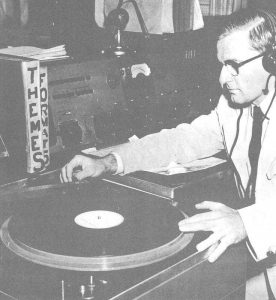
The big day arrived on a Wednesday, and at 8:00 PM the first words were spoken by Fr. Gillhooly to start the event, with the Archbishop in attendance along with the Master of Ceremonies for the evening, Ted Husing, a noted sports announcer of the time, and for whom the Press box in Walsh Gymnasium was subsequently dedicated. Soon afterward the initial launch, the “Voice of Seton Hall” would be on the air seven days a week, providing a variety of programs, including live performances, recorded music, the first nationality oriented programs and eventually remote broadcast of events such as Baseball and Basketball as well as community topics of interest in the New York Metropolitan area.
Various collections concerning WSOU-FM radio can be found via our Homepage at: https://archivesspace-library.shu.edu/search?utf8=%E2%9C%93&op%5B%5D=&q%5B%5D=wsou&commit=&field%5B%5D=&from_year%5B%5D=&to_year%5B%5D=
Additional information about the history of WSOU-FM radio are welcome along with questions about existing resources can be found by contacting us via e-mail site at: Archives@shu.edu
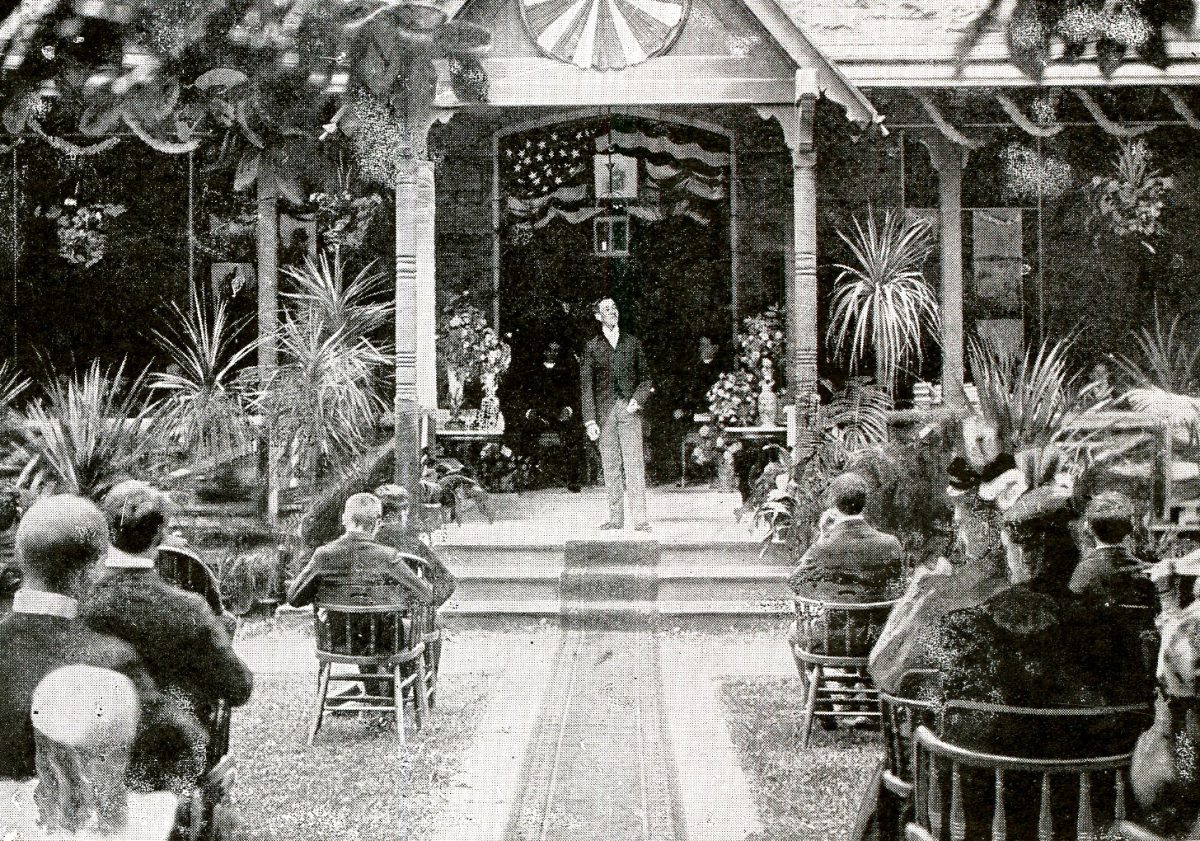

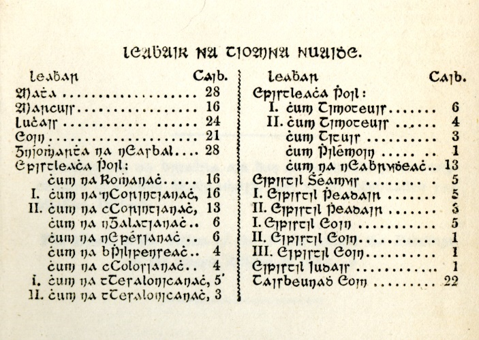
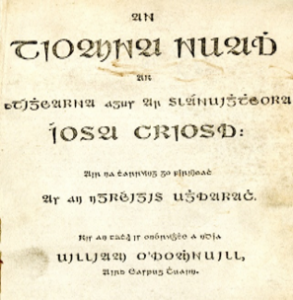
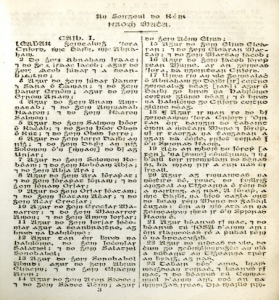
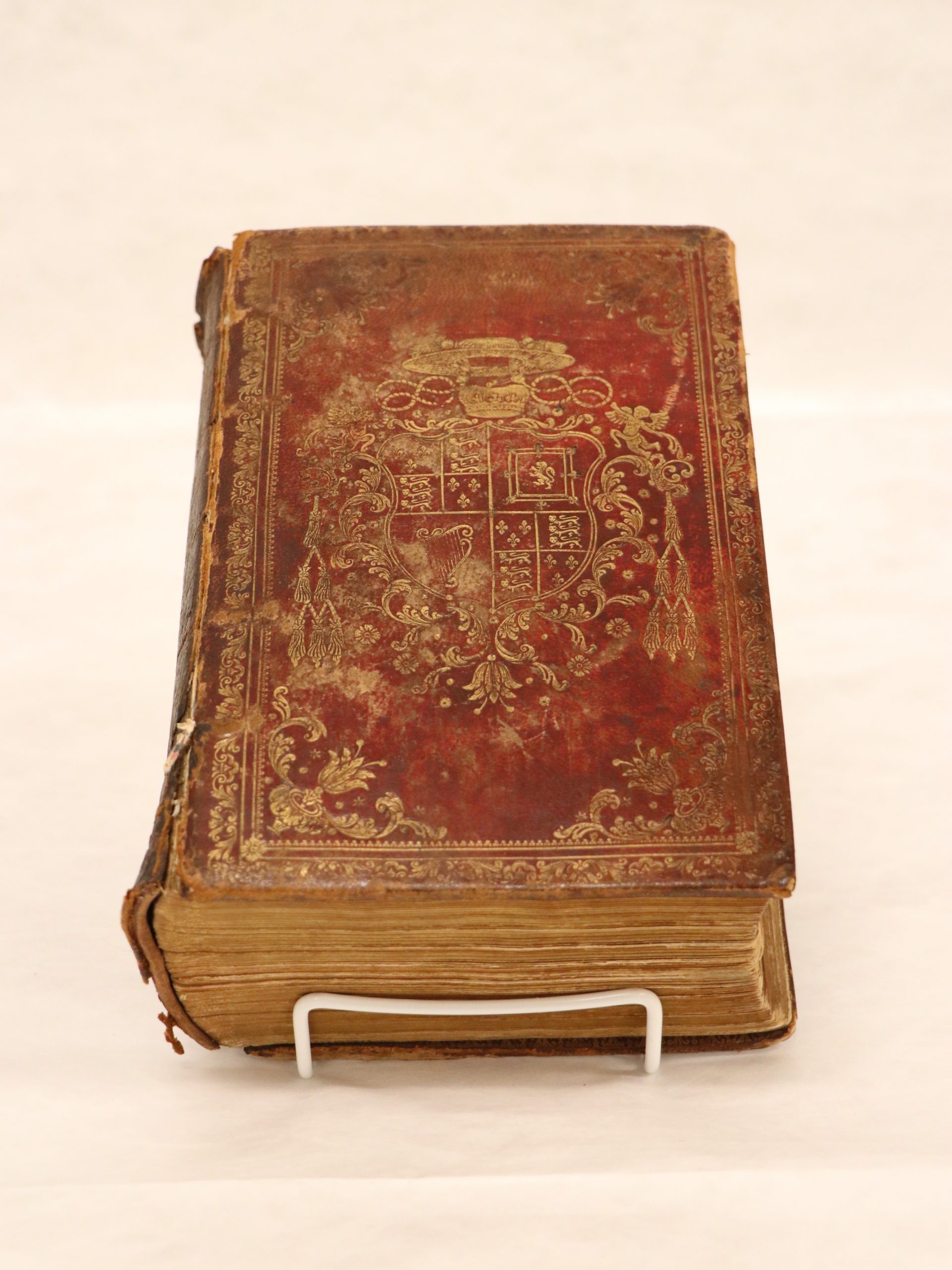
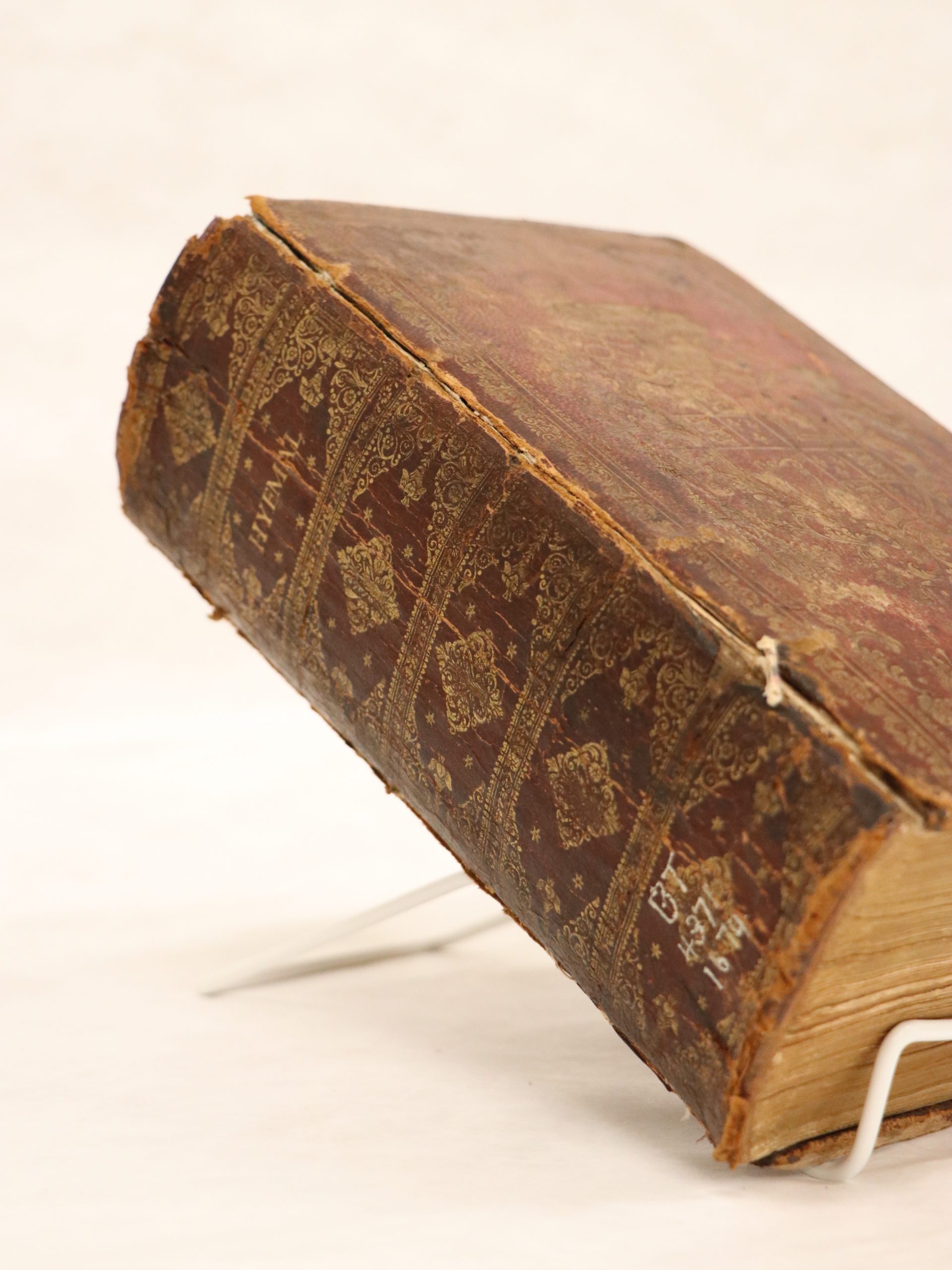
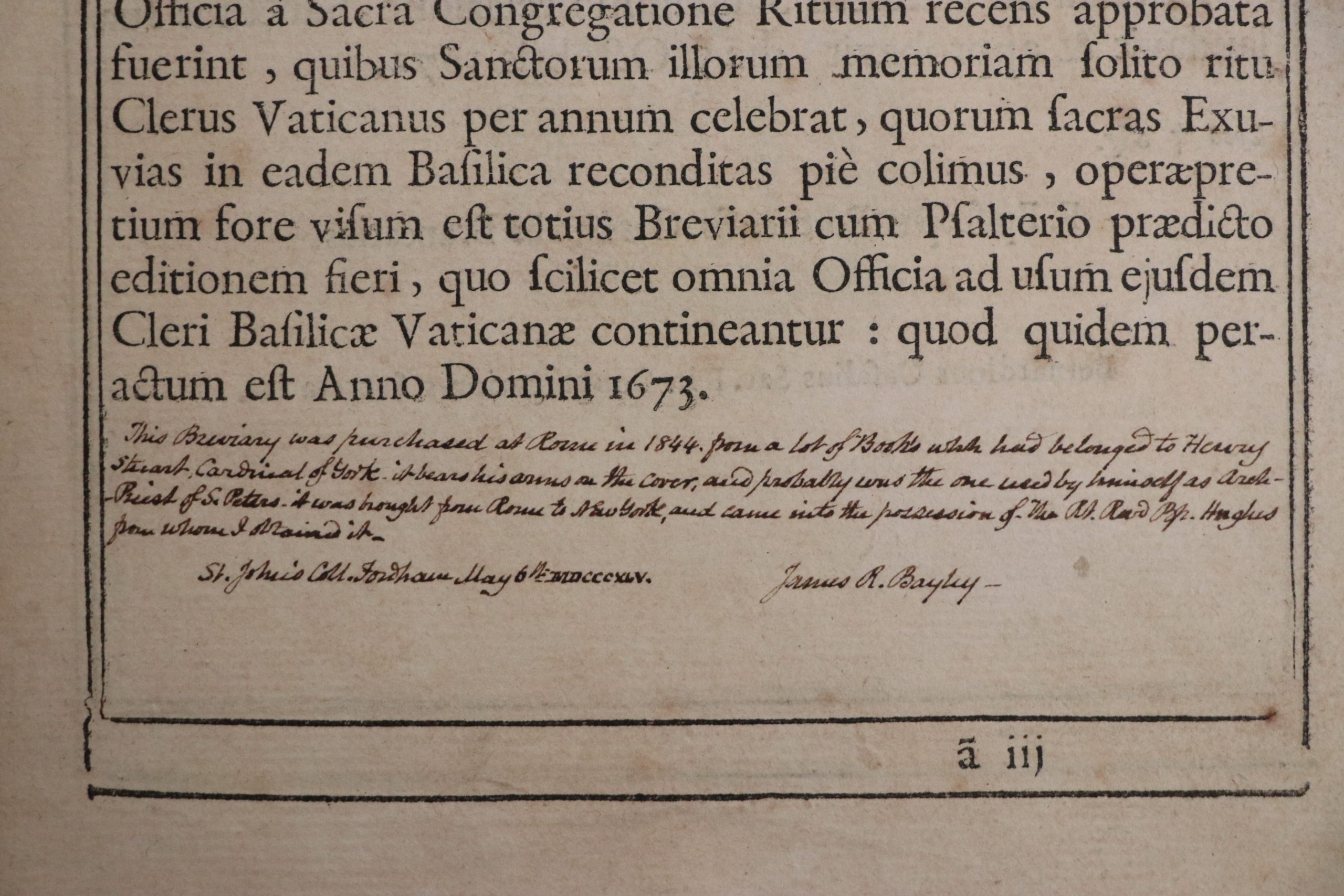
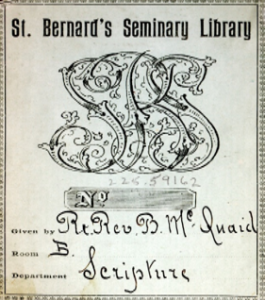 In addition to the content, the 1830 tome is particularly special as it features a bookplate that our copy was originally donated by Bishop Bernard J. McQuaid (1823-1909) to the now defunct St. Bernard’s Seminary in Rochester, New York which he had founded in 1893. The circuitous route of this book has found its way to our collection with strong connections to the original donor who was noted as a solid advocate of Catholic educational endeavors. Upon ordination in 1848, McQuaid whose parents came from Tyrone and raised in nearby Powel’s Hook (now known as Jersey City) was a young priest who was first assigned a parish in Madison (the original home of Seton Hall) and later the first rector of Saint Patrick’s Cathedral in Newark for the Diocese of Newark of Newark when the See was established in 1853.
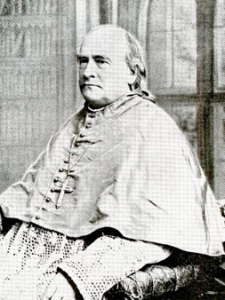 Father McQuaid was then assigned by Bishop James Roosevelt Bayley as the first president of Seton Hall College upon its founding in 1856, and he also became the inaugural rector of the Seminary from 1860-62. He left the school for two years, but came back for a second stint as chief executive at the college from 1859-67. More introductory information on McQuaid can be found via the following link –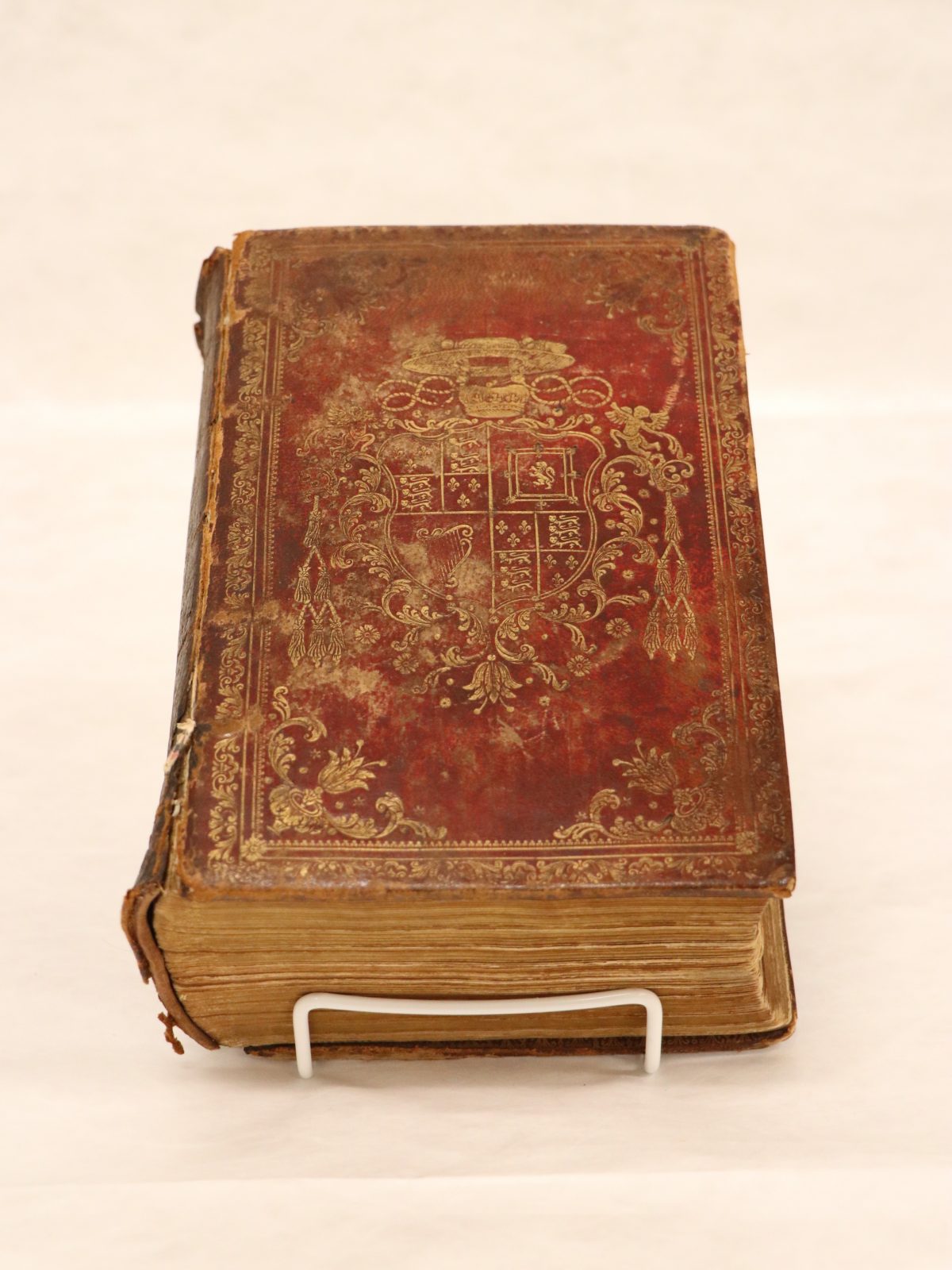
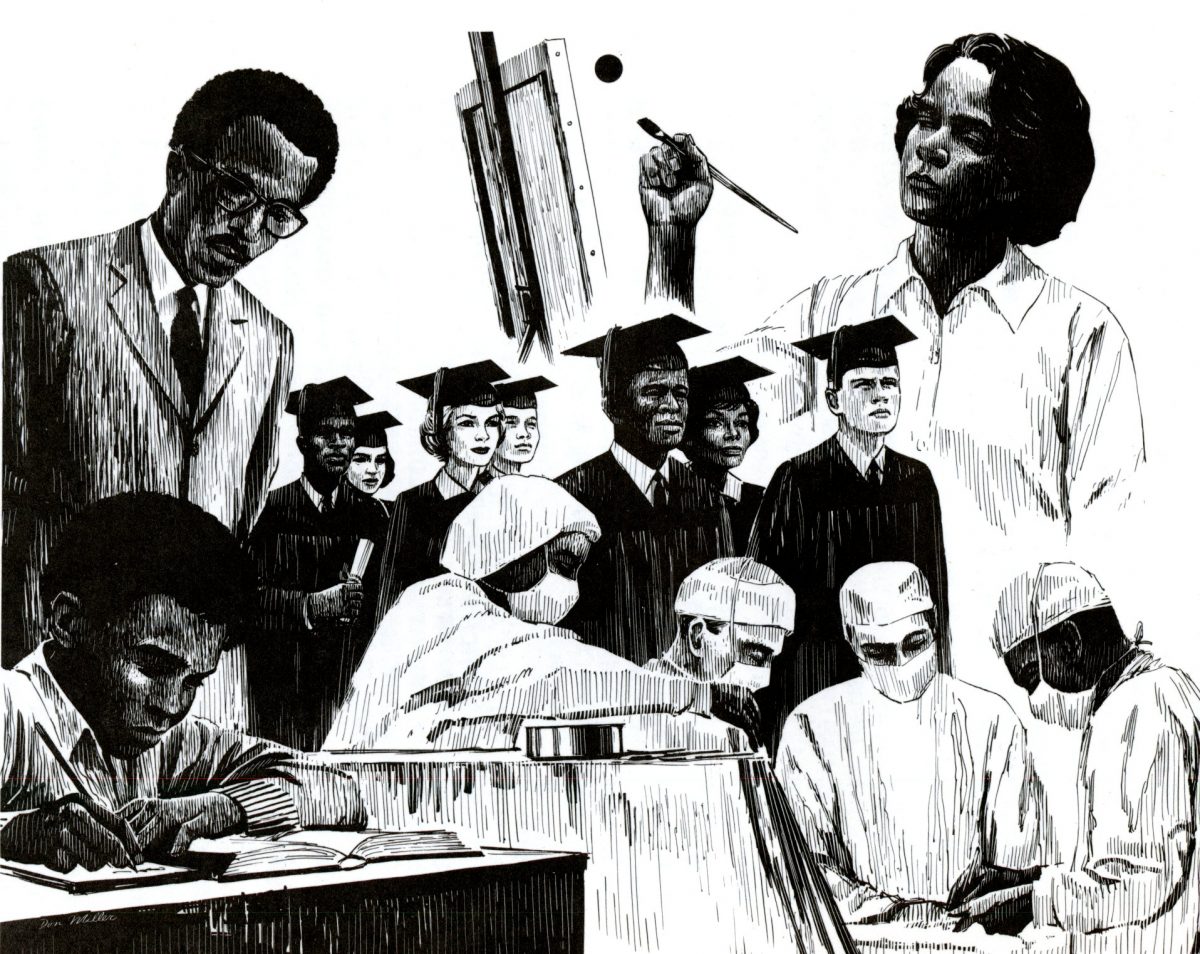
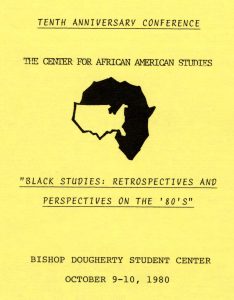
 The archival records that correspond to the Center for African American Studies contain materials documenting the operation of the institute from 1970 until the late 1980s. Included within our holdings connected to this area are examples of budget data, office memoranda, course offering overviews, meeting minutes, newsletters, notices, and various operational files that show the inner-workings of the Center. More details about this collection can be found by consulting the following finding aid: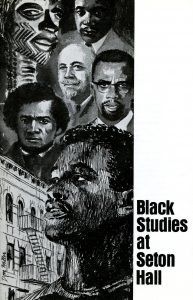
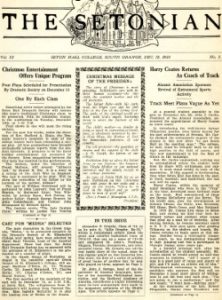 With the onset of the Great Depression-era of the early 1930s, the scale of The Setonian became more modest in presentation with only a few issues published per academic year between 1931-32. Additionally, the size and content resembles more of a literary journal approach than a straight news organ. This was especially evident with the presence of the “Christmas Number” issues which would become a semi-fixture in latter editions of The Setonian over time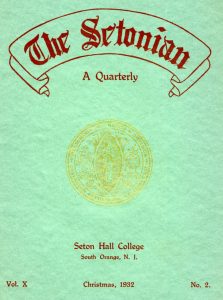
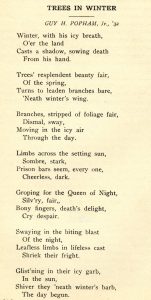
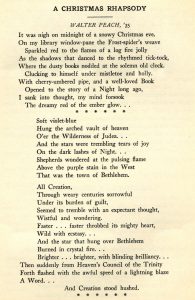 These and other examples are found not only during the earliest days of The Setonian, but in later editions and other expressions around campus even through the latest edition of the paper and as we celebrate the 10th anniversary of the memorable Tree Lighting this year, the spirit of this time of year and meaning of the season are documented for the ages. Happy Holidays everyone!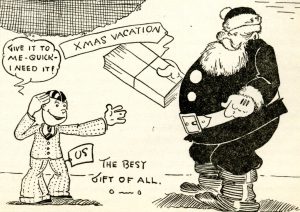
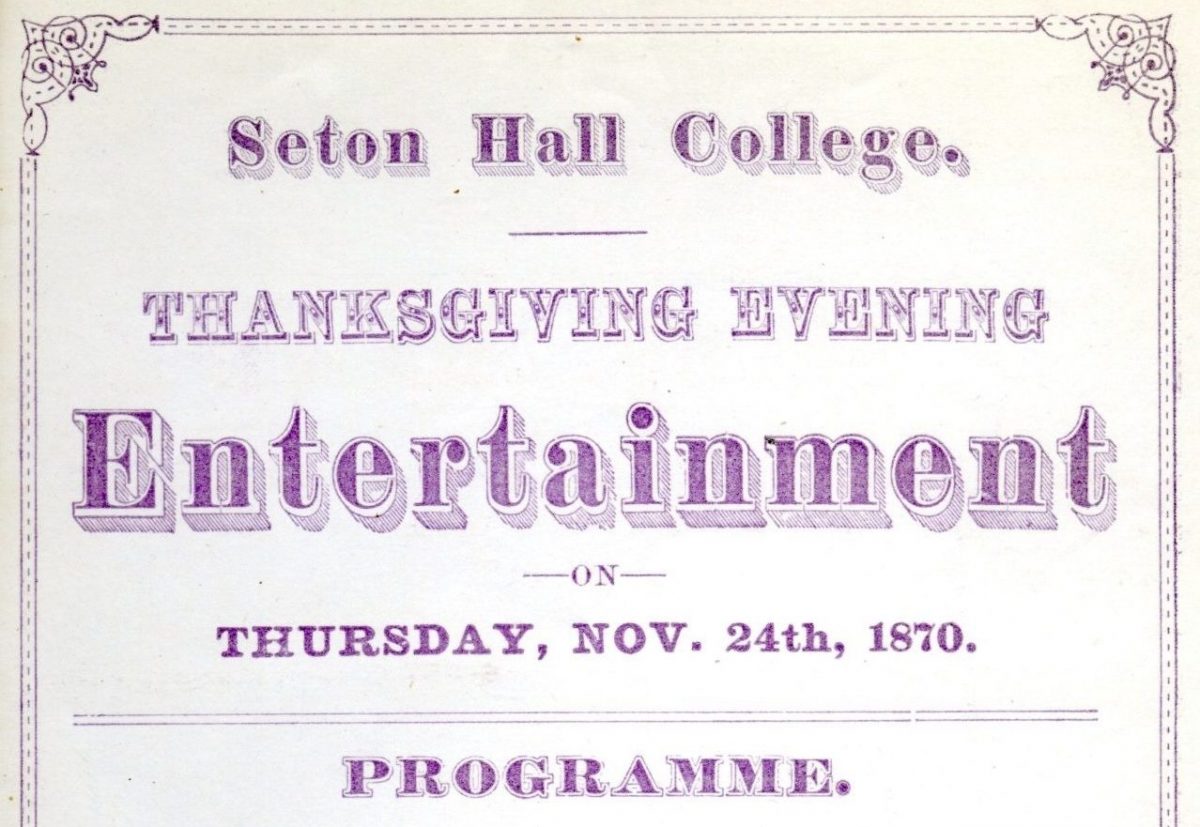
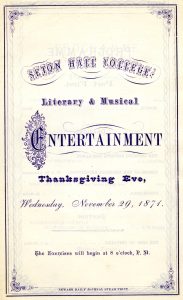
 For more information about holiday observances and any aspect of Seton Hall University History please feel free to contact us via e-mail at: