Ceasefires Broken by All Sides in Iran War, Peace Attempts Ensue
Julia Brown
Staff Writer
After several weeks of war between the United States and Iran, Gulf states and allies are supporting peace talks in Pakistan, who, according to BBC News, took the role of primary mediator because of balanced, positive ties to both Iranian President Masoud Pezeshkian and President Donald Trump.
On March 18, the United Arab Emirates, Qatar, Azerbaijan, Bahrain, Egypt, Jordan, Kuwait, Lebanon, Pakistan, Saudi Arabia, Syria, and Turkey attended a ministerial meeting in Riyadh to discuss the war. The group issued a joint statement asserting their support for Lebanon’s territorial sovereignty and affirmed their right to defense under Article 51 of the UN Charter should Iran continue its attacks on neighboring states. Critical infrastructure and U.S. embassies and military bases in Saudi Arabia, Jordan, Qatar, Bahrain, Kuwait, Azerbaijan, the UAE, Oman, and Cyprus, have been the targets of missile and drone attacks.
Notably, UAE Minister of State Reem Al Hashimy denounced Iran as a “pariah state,” reports Politico, in reference to the more than 2,800 missiles launched at infrastructure. In contrast, Oman’s government, absent from the meeting in Riyadh, has voiced its “deep regret” for the military operation in Iran and called for restraint and diplomacy.
On April 7, The Associated Press reported that President Trump and Iran’s Supreme National Security Council agreed to a two-week ceasefire including Israel, despite conflict escalating the next day in Lebanon. Pakistani Prime Minister Shehbaz Sharif, who assisted in mediating ceasefire talks, said the agreement included a cessation of fighting between Israel and Hezbollah. According to the New York Times however, Israeli Prime Minister Netanyahu and White House Press Secretary Karoline Leavitt stated Lebanon was not part of the ceasefire deal.
The New York Times reported that the Israeli military invaded Lebanon in early April to establish a “security zone” to fight Hezbollah, an Iranian-backed militia group, who attacked Israel on March 1. While Lebanon’s government and UN Secretary-General António Guterres protested against the occupation, Turkish Minister of Foreign Affairs Hakan Fidan, who supports Pakistan’s commitment to diplomacy, condemned the action as “Israeli expansionism,” per France24.
Both Russia and China have continued to trade with Iran and supply advanced technology responsible for significant damage, according to experts at the Council on Foreign Relations.
According to Al Jazeera, Chinese President Xi Jinping, Iran’s primary trading partner, also supports reopening the Strait of Hormuz and restoring peace to the region. In a conversation with Crown Prince Mohammed bin Salman, President Xi affirmed his support for “resolving disputes through political and diplomatic means.” The Guardian reports that Russian President Putin’s intentions for the US-Iran war remain unclear as he remains focused on the war in Ukraine.
The first round of formal peace talks between Vice President JD Vance and Pakistani Speaker of Parliament Mohammed Bagher Ghalibaf was held on April 10. After more than 21 hours of negotiating, The New York Times confirmed that no agreement was reached, with Mr. Vance saying, “They have chosen not to accept our terms.”
Conflict between Israel and Lebanon has been a major disruption to U.S.-Iran peace talks. On April 16, The New York Times reported that Israel had successfully negotiated a 10-day ceasefire through ambassador-level talks held by the U.S. Department of State with the Lebanese government, not Hezbollah who was responsible for offensive operations. The memo sets out expectations for Israel to delay future military goals within the country and for Lebanon to pressure Hezbollah to stop their attacks against Israel. A second discussion is scheduled for April 23 in Washington.
While Iran views this agreement as a component of US-Iran negotiations, The Palestine Chronicle reports that Hezbollah Secretary-General Sheikh Naim Qassem “does not trust Israel” and “will respond to any violations.” Qassem provided 5 conditions for extending the ceasefire, including the permanent cessation of Israeli attacks on Lebanese targets and the complete withdrawal of Israeli troops.
President Trump extended the ceasefire with Iran on April 21, with peace talks expected to resume in Pakistan in the following days.
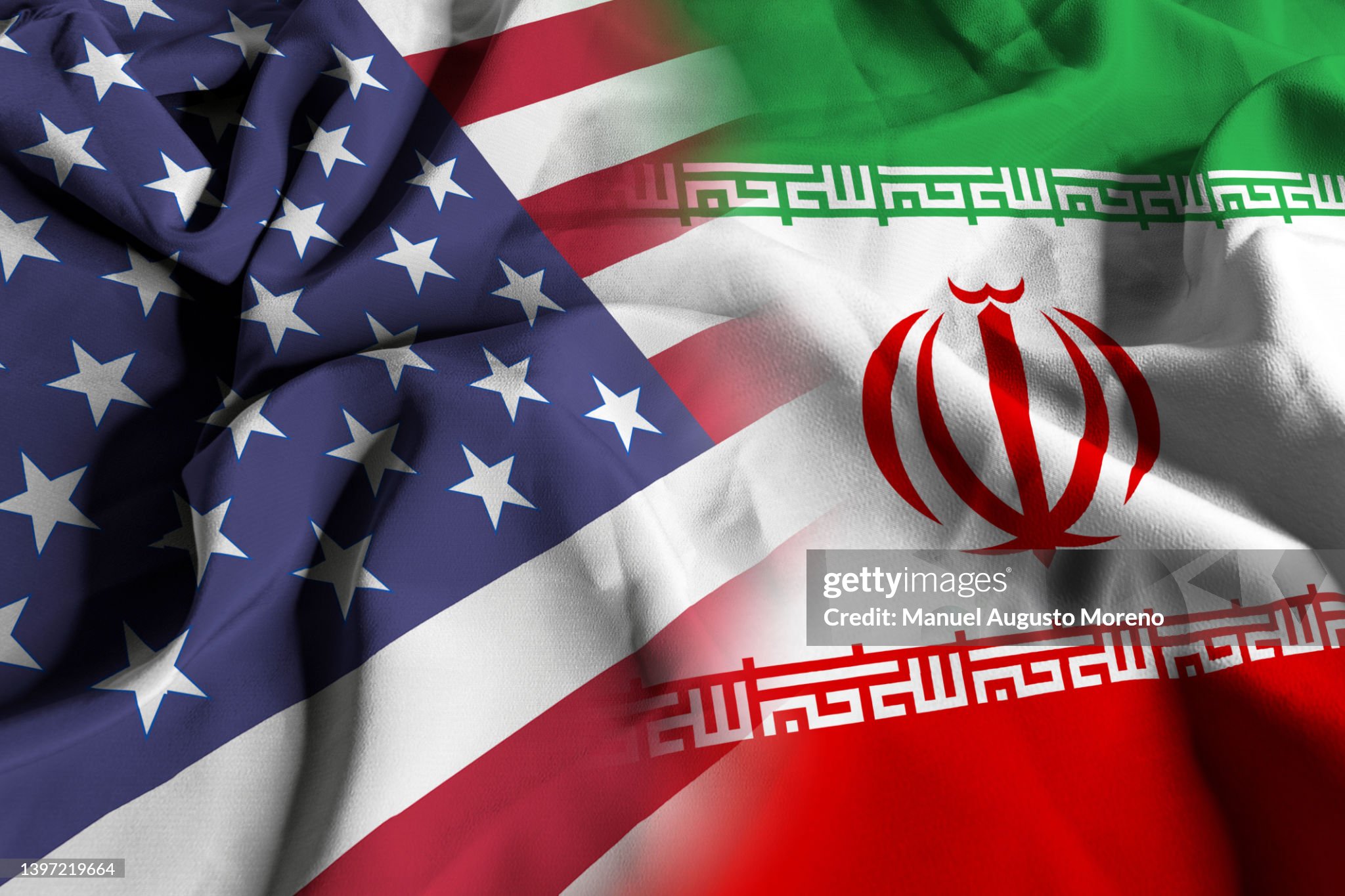
Image courtesy of Getty Images