Malagasy President Ousted in Military Coup After Weeks of Protest
Benjamin Barry
International News Editor
Madagascar’s President Andry Rajoelina was ousted in a military coup on Tuesday, October 14, following almost three weeks of Gen-Z led protests consuming the island nation of over 31 million people. Beginning in late September, protesters’ demands originally concerned the frequent power outages and poverty crisis morphed into general claims of corruption and political nepotism, calling for the resignation of Rajoelina, according to The Associated Press.
The coup was led by the elite military unit CAPSAT, with its chief, Colonel Michael Randrianirina, now serving as the country’s current interim leader, reports BBC News. Randrianirina was declared the new president by the nation’s High Constitutional Court. He immediately dissolved majority of the government, sparing the lower house of Parliament, states Foreign Policy. He has promised elections will be held in two years, with CAPSAT establishing the ‘Presidential Council for the Refoundation of the Republic of Madagascar,’ consisting of officers from the military that would serve as an interim government until then.
The ousting follows Rajoelina’s impeachment and fleeing of the country, despite the recently former president claiming to maintain power. In fact, he unsuccessfully attempted to dissolve the lower house of Parliament before they impeached him, reports The Associated Press. Foreign Policy explains that he was evacuated from the island with assistance from France, of which he is a dual citizen, after claiming there was an assassination attempt on his life by a “group of military personnel and politicians.” This only fueled the protesters’ discontent, especially with the increasing rise in anti-French sentiment across its former colonies in Africa.
Protests in the country began with calls for better public resources, such as water and electricity. According to the World Bank, only 46 percent of the country has access to reliable drinking water and only 15 percent have access to an adequate sewage system. In tandem with over 75 percent of the population being below the poverty line and the average income in the country being $600 annually, the situation is incredibly dire. Unfortunately, this economic pressure seems to be worsening. Foreign Policy says much of this can be attributed to the combination of heavy tariffs imposed by President Trump and his administration’s refusal to renew the African Growth and Opportunity Act, which gave Madagascar duty-free access to the American market.
Before CAPSAT took power, the protests were met with harsh responses by the government. Reported by Time Magazine, the United Nations has stated at least 22 people have died and over 100 have been injured as result of the government’s response to the protests, yet the official Malagasy government denies this number. Rajoelina attempted to ease protesters’ demands by dismissing the prime minister and appointing General Ruphin Fortunat Zafisambo to the post, according to BBC News. However, this pick was seen by many as an attempt to consolidate power and pull the military closer to him.
Before the takeover, Colonel Michael Randrianirina was very active in Malagasy politics, even being jailed in November of 2023 for planning a separate coup. According to BBC News, he was released in February of 2024 after calls from politicians and other soldiers claiming that
he was jailed unfairly for political reasons. Before being imprisoned, he held various political positions ranging from governor of the southern region of Androy to the head of the infantry battalion in Toliara.
Ironically, Rajoelina first came to power in a military coup in 2009, also assisted by the CAPSAT unit, following anti-government protests that he encouraged, says Foreign Policy. He then held power until 2013, after which he was banned from running that year, yet won again in 2018 and 2023. His win in 2023 raised several questions about its reliability, with most opposition parties boycotting the election.
Coups are unfortunately nothing new to Madagascar, with the nation also experiencing them in 1972, 1975, and an uprising in 1991 almost resulting in one. Reported by Foreign Policy, in the Transparency International’s 2024 Corruption Perceptions Index, Madagascar ranked 140 out of 180 countries surveyed, displaying their deep-rooted issues with corruption that continuously lead to new governments and coups.
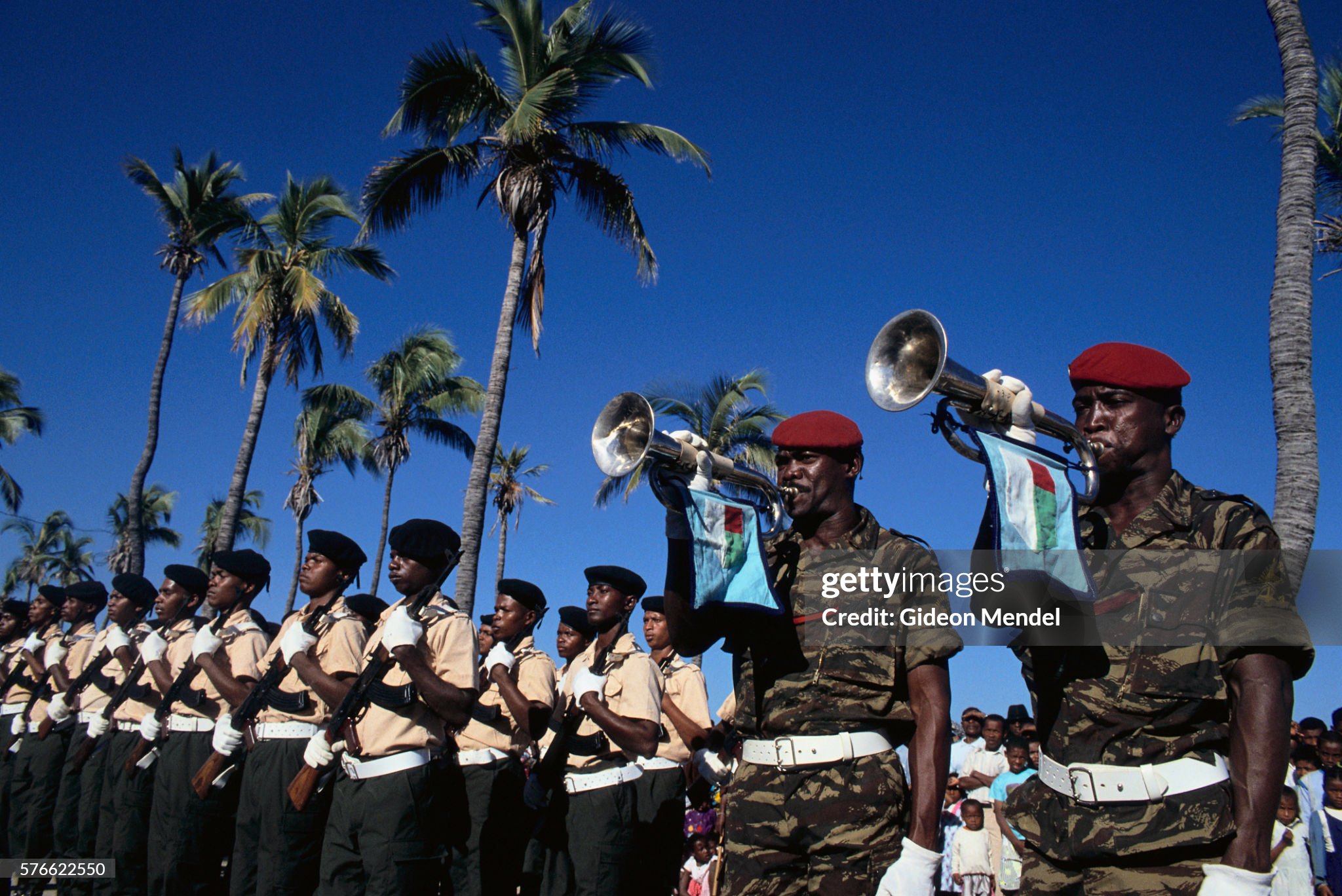
Image courtesy of Getty Images.
This article is an upload from the week October 13, 2025.