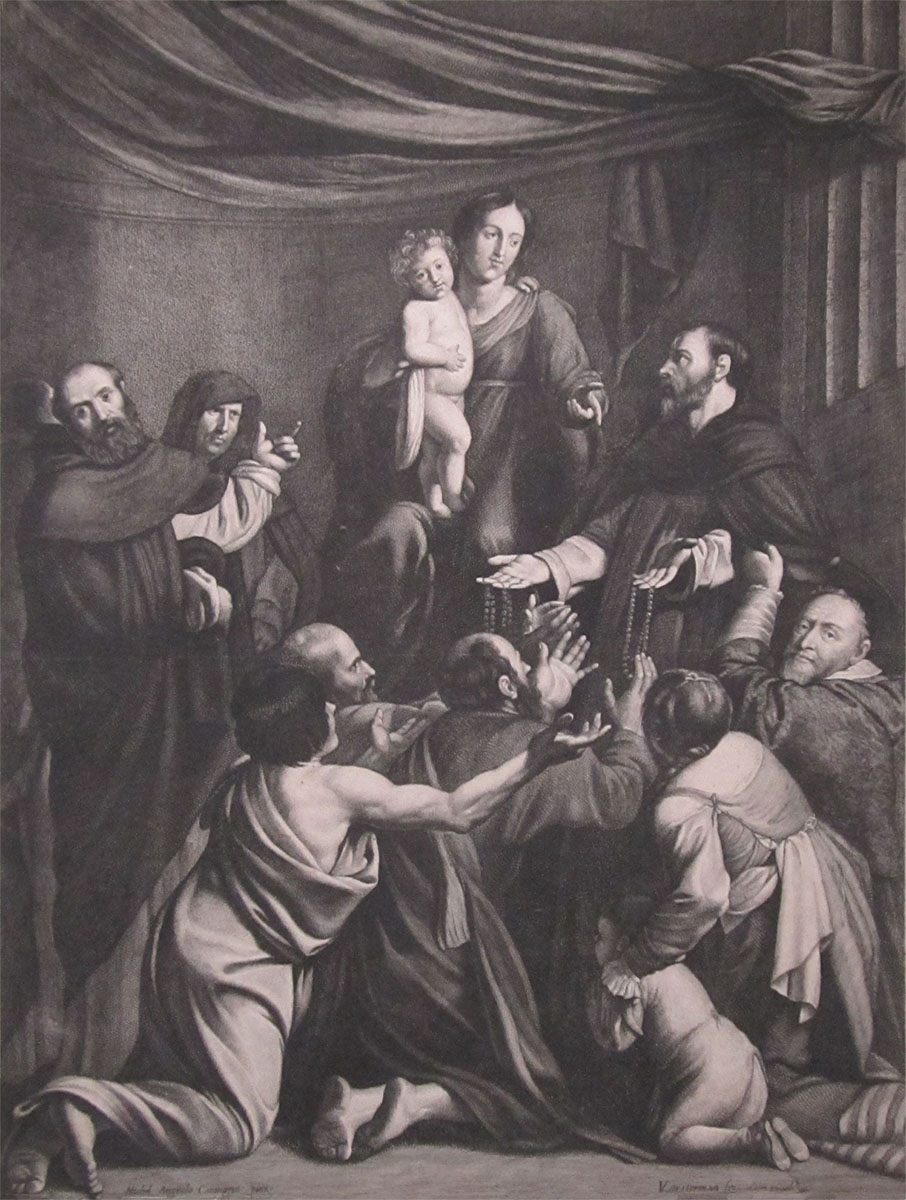
Lucas Vorsterman the Elder
Madonna of the Rosary (after Caravaggio)
engraving
22” H x 16.5” W
early 17th century
2013.00.0009
Image courtesy of the Walsh Gallery
OCTOBER IS THE MONTH OF THE HOLY ROSARY
This engraving by Lucas Vorsterman the Elder is after an original painting by Caravaggio. Though we do not know the patron of this work, art historians believe Caravaggio’s painting was part of an altarpiece created for a Dominican church – inferred by the presence of Saint Dominic – shown on the right holding rosaries in his outstretched hands. It is thought the figure peering from beneath Saint Dominic’s robes is the patron who commissioned this work given his eye contact with the viewer and proximity to the saint and the Virgin Mary.[1]
The month of October is dedicated to the Holy Rosary. According to an account by fifteenth-century Dominican, Alan de la Roche, Mary appeared to Saint Dominic in 1206 after praying. She gave Saint Dominic the Rosary, explained its uses and significance, and told him to preach it to others.[2] The Rosary consists of prayer and meditations on the life of Christ using rosary beads as an aid. Catholics pray the rosary to ask God for a special favor, such as helping a loved one recover from an illness, or to thank God for blessings received.[3]
The rosary has 59 beads, a crucifix, and a medal, with certain prayers for each of the pieces. The prayers of the rosary can be divided into three categories: Introductory Prayers, The Decades and Closing Prayers.[4] The prayers that compose the rosary are arranged in sets of ten “Hail Mary” prayers. Each set of ten, or decade, is preceded by one “Lord’s Prayer” (“Our Father”) and traditionally followed by one “Glory Be.” During the recitation of each set, thought is given to one of the Mysteries of the Rosary, which recall events in the lives of Jesus and of Mary. Five decades are recited per rosary.[5]
The term rosary is derived from the Latin word rosarium or rose garden and the rose is the symbol of the Virgin Mary.The earliest documented use of the term rosary dates back to 1597[6], though the story of Saint Dominic tells us the word likely appeared much earlier in time. Rosary beads are made from a variety of materials. These include ordinary ones such as plastic, rope or wood, or more expensive materials such as gemstones or precious metals. The tradition of using beads to pray spans across many faiths and cultures. Hindus, Greeks, Buddhists and numerous other peoples use beads to pray. Interestingly enough, the word bead in English is derived from an Old English word that means prayer.[7]
______________
The Walsh Gallery has a considerable collection of fine art, artifacts and archeological specimens. For access to this or objects in our collections, complete this research request form to set up an appointment.
[1] https://en.wikipedia.org/wiki/Madonna_of_the_Rosary_(Caravaggio) accessed 10/7/2020
[2] https://www.livingbreadradio.com/2015/09/october-the-month-of-the-holy-rosary/ accessed 10/7/2020
[3] https://m.theholyrosary.org/ accessed 10/7/2020
[4] https://dynamiccatholic.com/rosary/how-to-pray-the-rosary accessed 10/7/2020
[5] https://m.theholyrosary.org/ accessed 10/7/2020
[6] https://dynamiccatholic.com/rosary/history-of-the-rosary accessed 10/7/2020
[7] https://dynamiccatholic.com/rosary/history-of-the-rosary accessed 10/7/2020
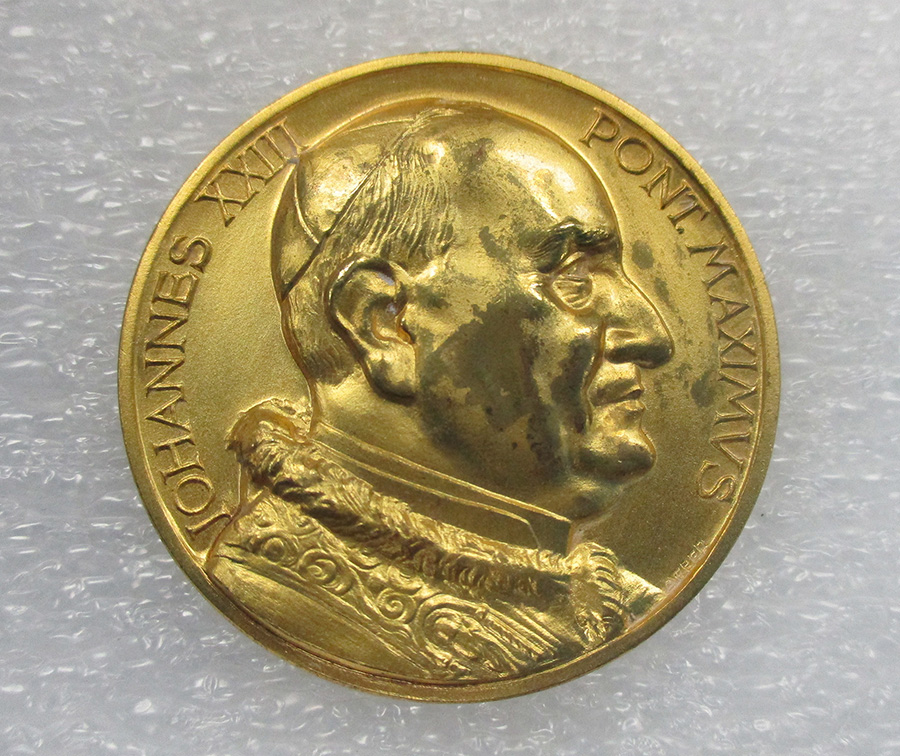

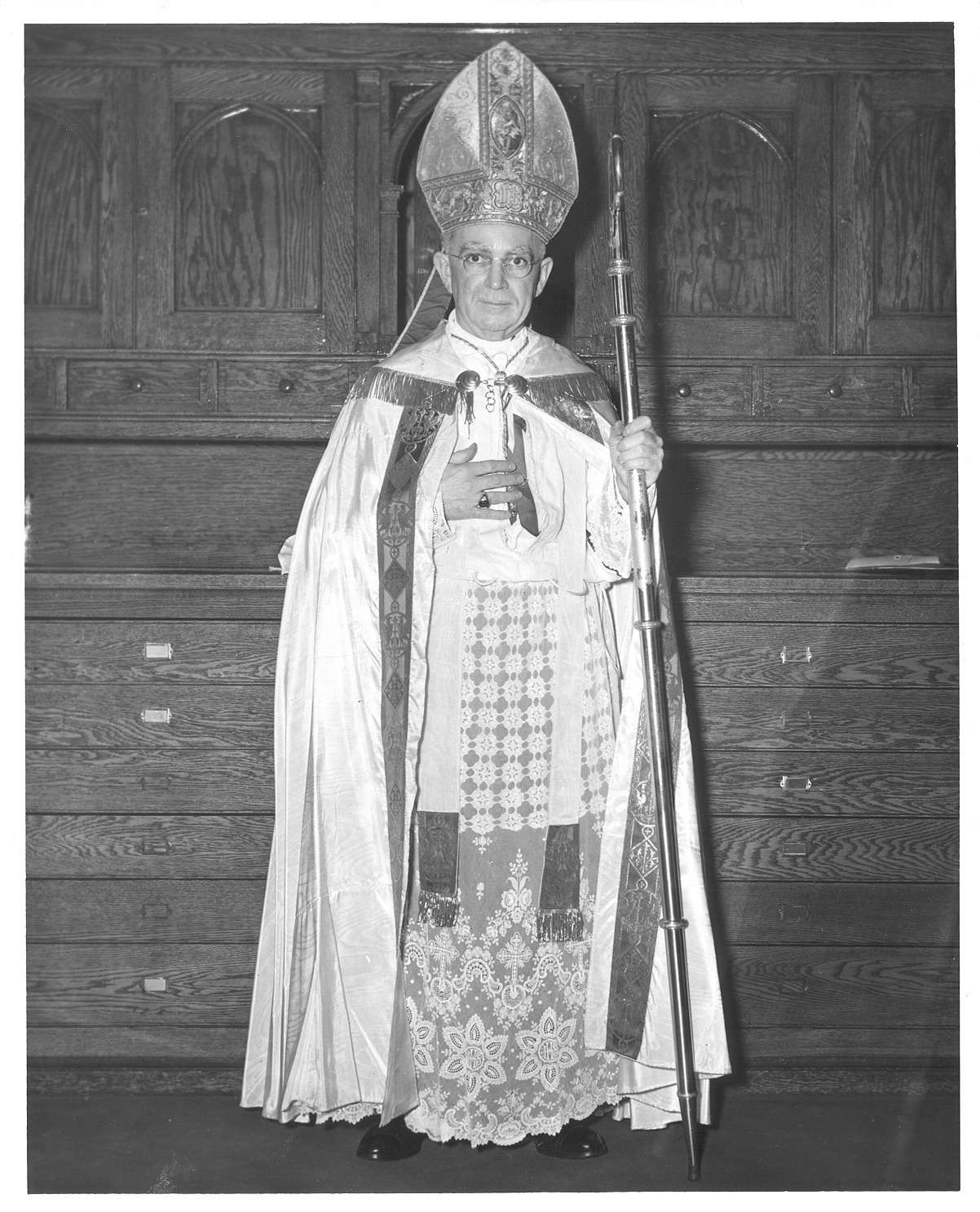
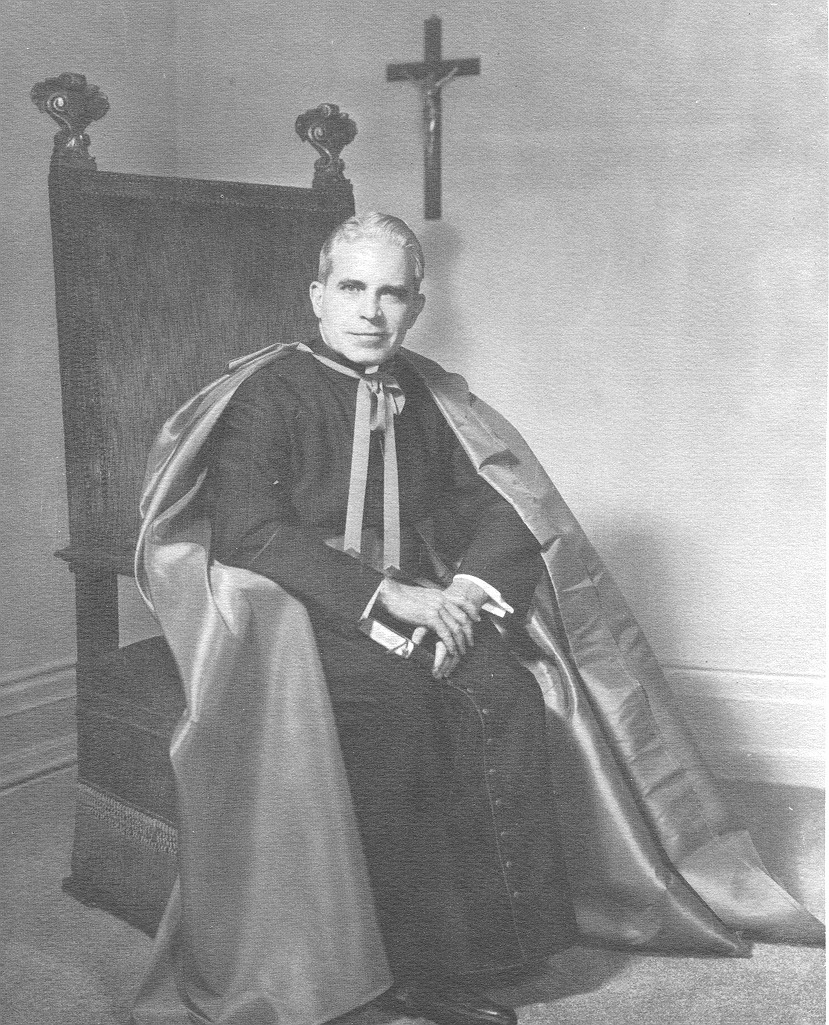
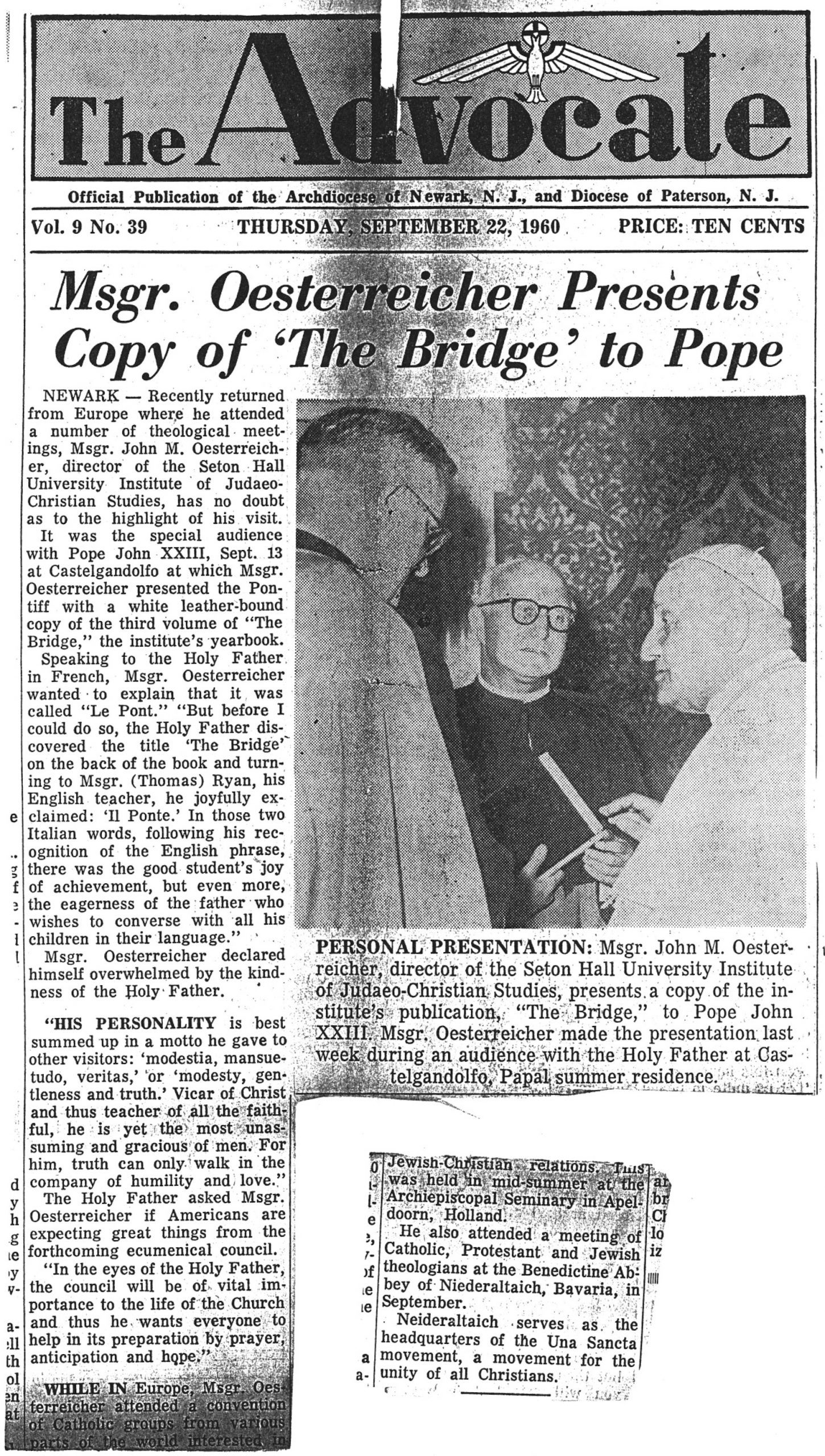
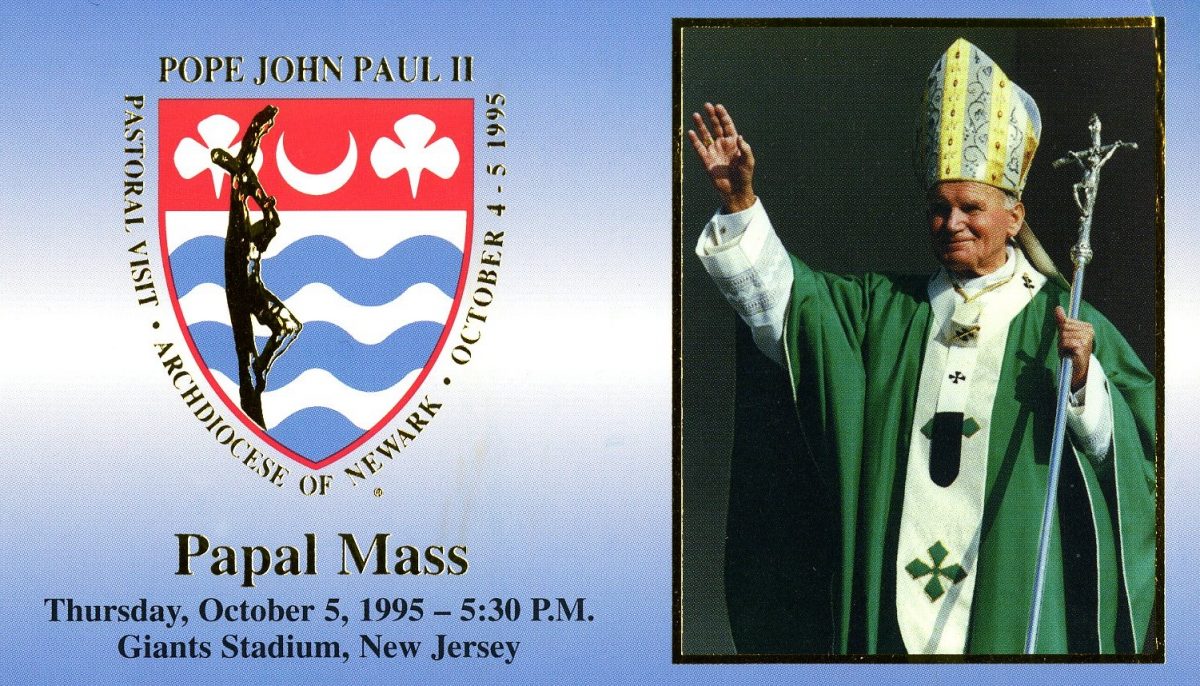
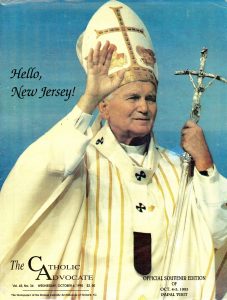
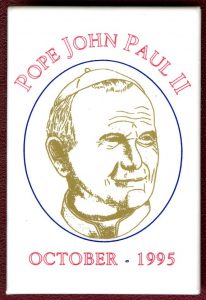
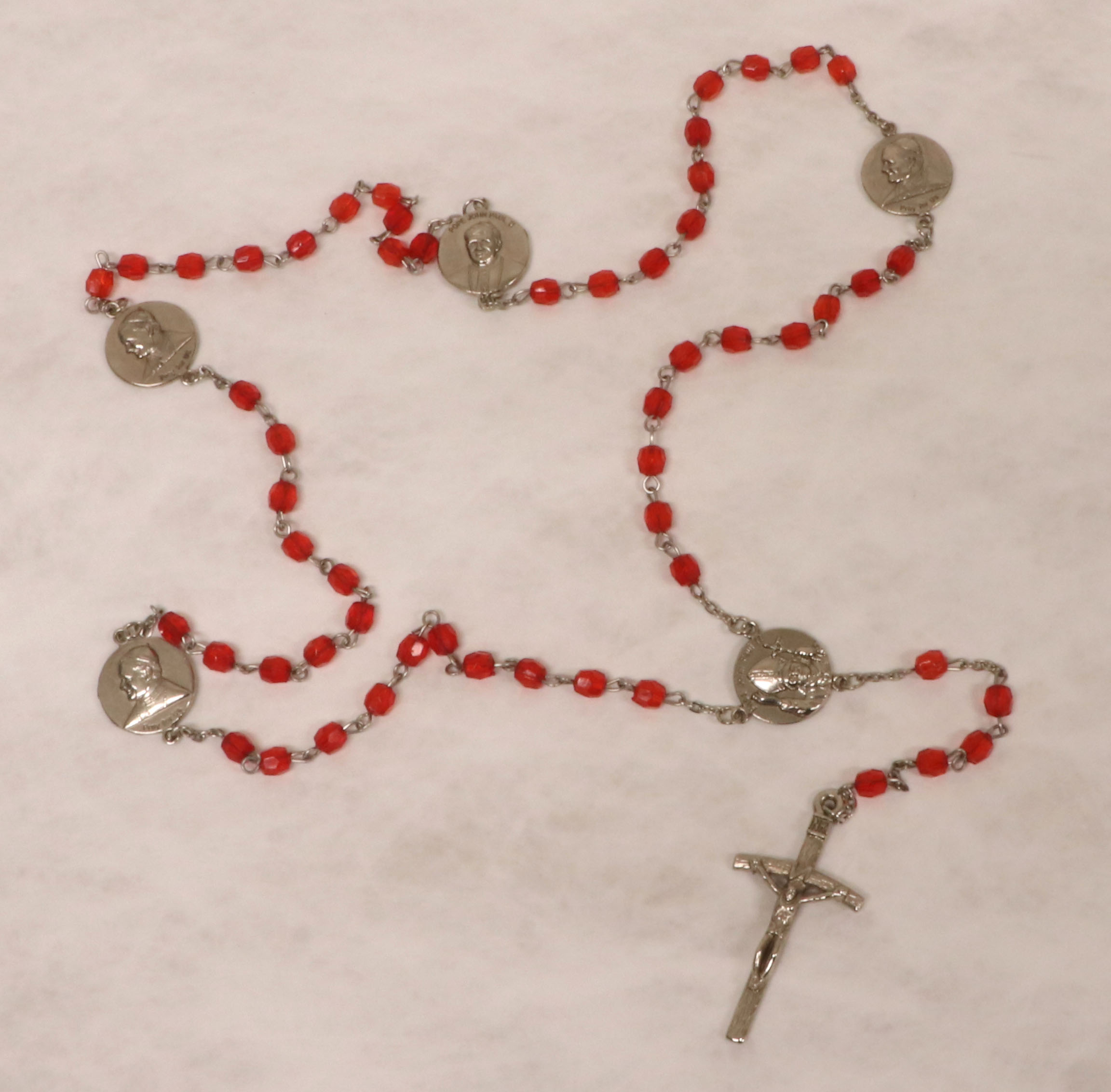
 The morning of October 5th Pope Saint John Paul II celebrated Mass at Giants Stadium in East Rutherford before 85,000 individuals where Pope Saint John Paul II in his homily expressed those present and millions watching on television that “Today we are celebrating the Good News of God’s Kingdom here in Giants Stadium, in the Archdiocese of Newark in New Jersey – ‘The Garden State’ . . . “ which was greeted with enthusiastic applause. Moreover, he reminded the assembly of the ways in which the church has “made a home” in this country, embracing people of many different cultural and ethnic backgrounds. Pope Saint John Paul II delivered his sermon during an unforeseen downpour in which he quipped to the assemblage that: “I see the people of New Jersey know how to praise God in joyful praise and song, even in the rain.” . . . “water drenched faithful that “water is a sign of life, a sign of God’s blessing!” This provided a graceful note upon which to end the ceremony and inspire the crowd.