Controversy and Claims Surrounding Israel’s Guinness World Record Recognition
Nihma Abdallah
Staff Writer
Guinness World Records have recognized Israel for hosting the world’s largest kidney donation gathering. After the Guinness World Records (GWR) publicized its hold on taking records from Israel after October 7th, announcing “in the current climate, we are not generally processing record applicants from Palestinian territories or Israel,” due to legal pressures, as of January 2026, they have resumed accepting submissions from Israel and have officially recognized the record-breaking achievement.
However, this recent advancement has brought concerns from critics over insensitivity to certain alleged war crimes related to Israel’s ongoing incursion of Palestinian settlements and territories. Specifically, The Director-General of the Palestinian Ministry of Health in the Gaza Strip, Dr. Munir Al-Bursh, raised very serious questions about the record numbers announced by Israel regarding organ donation. Dr. Al-Bursh stated that these statistics do not answer the fundamental and urgent questions related to the sources of the large number of kidneys and other human organs being transplanted.
Al-Bursh stated in a press release that “there is a stark paradox in the fact that the occupation, which detains the bodies of Palestinians for many years in cemeteries of numbers and refrigerators, is the same one that posts unprecedented donation figures trying to present itself as an advanced humanitarian model to the international community.”
The Director-General also points out “documented cases of bodies returned to their families after long periods of detention that were missing organs, especially kidneys, without attaching medical or autopsy reports explaining the reasons for this, and without allowing any legal right for accountability or investigation.” He stresses “that these facts are not based on unsubstantiated claims, but rather on testimonies of doctors who examined the bodies and proven field cases of bodies returned with amputated organs in occupation facilities.”
Many critics found the recognition offensive and tactless, some pointing to certain correlations with alleged war crimes. Especially since the issue of illegal Israeli harvesting of organs is a topic repeatedly brought up within the international community. Particularly, from reports from the First Intifada to the 2000s where the National Library of Medicine reported three Palestinian prisoners detained in Israel applied to the Israeli Prison Service (IPS) for permission to sell their kidneys to send money to their children for food.
Along with additional testimonies from Israeli figures, such as physician and anthropologist Meira Weiss in her book “Over Their Dead Bodies,” which, according to TRTWorld, described how Palestinian organs were harvested, transplanted into Israeli patients, and utilized in medical research at Israeli universities. The reports that Yehuda Hess, the former head of Israel’s Abu Kabir Institute of Forensic Medicine, admitted to taking human tissues, organs, and skin from deceased Palestinians without the knowledge or consent of their relatives. Along with, a notable 2014 televised admission by the former head of the Israel Skin Bank, confirming the harvesting of organs and skin without family consent.
More relevant are the current calls for investigations into organ harvesting in Gazan territories during the Israeli-Palestinian conflict. According to the Euro-Med Monitor, since the conflict started in 2023, the Israeli Army has dug up and seized the dead from a mass grave set up in one of the courtyards of the Al-Shifa Medical Complex. The Israeli Army is still in possession of dozens of deceased people’s remains, despite the International Committee of the Red Cross receiving dozens of corpses and transporting them to the southern Gaza Strip for final burial.
The Euro-Med Monitor has also raised concerns regarding organ theft from corpses, citing accounts from medical professionals in Gaza who inspected bodies after they were released. These medical professionals discovered evidence of organ theft, including missing cochlea and corneas, along with other essential organs including livers, kidneys, and hearts.
The Geneva-based rights group claims that Israel keeps the bodies of deceased Palestinians in what it calls “enemy combatant graves,” hidden mass graves located in specific areas, including closed military zones, where burials take place, with only metal plates used to identify the remains.
Israel is subject to international law, which mandates that during armed conflicts, the corpses of the deceased must be respected and protected. The Fourth Geneva Convention emphasizes– Each party to the conflict must take all measures to prevent the dead from being despoiled. Mutilation of dead bodies is prohibited.
While many Israelis celebrate the Guinness World Records decision, many critics remain disappointed with the GWR’s compliance with Israeli pressures. Whether through calls for open investigations or criticism of the timing of the recognition, this news continues to fuel intensifying controversy.
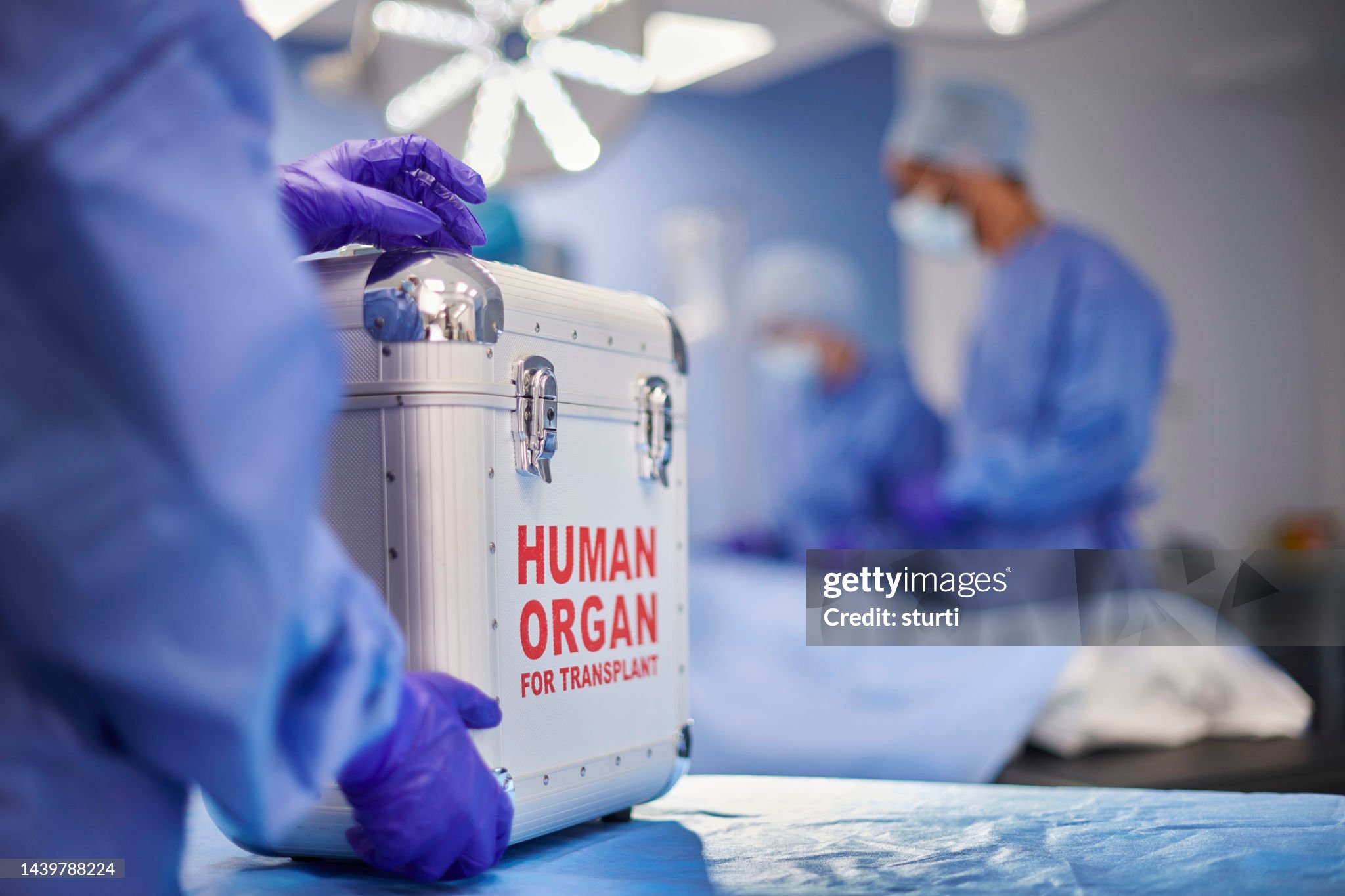
Image courtesy of Getty Images.