Hungary Accused of Leaking EU Discussions to Russia
Hasini Muddapu
Staff Writer
Earlier this week, the European Union was shaken by one of its own members, Hungary, possibly sharing internal discussions with Russia. According to Al Jazeera, a report from The Washington Post stated that the allegations were primarily focused on Hungarian Foreign Minister Péter Szijjártó. Budapest and Brussels already have strained relations, and many concerns come up about security, trust, and unity within the EU.
For a long time, Hungary pursued a more Russia-friendly relationship than most EU states. This accusation, if true, represents a serious and major breach of diplomatic rules and undermines the foreign policy of the EU.
Szijjártó is accused of calling the Russian Minister of Foreign Affairs, Sergei Lavrov, during the breaks of confidential EU meetings, providing direct reports on the discussions and sharing insights on the future of EU negotiations. POLITICO reports that, “The EU is limiting the flow of confidential material to Hungary and leaders are meeting in smaller groups”
The European Commission is specifically concerned with key issues such as Ukraine policy and sanctions. A consistent argument from Hungary is that its economy is significantly dependent on Russian energy. As a result, it has resisted EU efforts to discontinue gas imports from Russia. It has various long-term contracts with Russian suppliers. Hungary also played a part in blocking or slowing financial assistance to Ukraine. According to Le Monde, “….many officials remain furious that Hungary continues to block a loan of €90 billion to Ukraine at an EU leaders’ gathering last week”. As a result, EU officials developed a perspective of Hungary as a weak link in their united stance against Russia.
Hungary has not been quiet. On March 25th, The Washington Post reported that Hungary is pressuring Kyiv by stopping natural gas supply to Ukraine until the deliveries of Russian oil resumes.
This is very beneficial to Russia, as Moscow can gain direct influence over the EU’s policy and decision-making. It can also anticipate decisions regarding sanctions. Lastly, it can have more flexibility in changing diplomatic and military strategies. The Center for Strategic and International Studies describes how, for a long time, Hungary has frequently clashed with the EU over democratic standards, legislation surrounding LGBTQ+ rights, and media freedom. Hungary has often been described as an electoral autocracy or a hybrid regime.
Hungary’s response to these allegations is very vague. There are many other factors and elements involved in their response. For example, along with the Foreign Minister, the Prime Minister of Hungary, Viktor Orban, also maintains close ties with Russia. Hungarian officials stated that parts of the controversy were politically motivated. Government narratives suggest that there is external interference at play too.
Hungary’s stance on the war in Ukraine is to approach it with more caution and negotiations. On the other hand, most of the EU members agree on implementing stronger sanctions against Russia.
There is lots of information and influence concerning Hungary. According to the 3rd EEAS Report on Foreign Information Manipulation and Interference Threats created by the European Union External Action, many European intelligence agencies warn about how there are various Russian disinformation networks that are connected to Central Europe. There is also lots of Pro-Kremlin media and political power in European countries. There is still uncertainty about whether Hungary plays a role in any of these concerns.
Brussels believes that the allegations are very serious and credible, and they demand an urgent and clear explanation. Budapest believes that they have the right to make choices regarding its foreign policy. It also sees no problem with communication with Russia and believes that it is simply normal diplomacy between the two countries. It views these allegations as an attack on its national sovereignty.
With the lack of clarification from both Hungary and Russia, there is a possibility of the EU making significant changes in terms of the states involved.
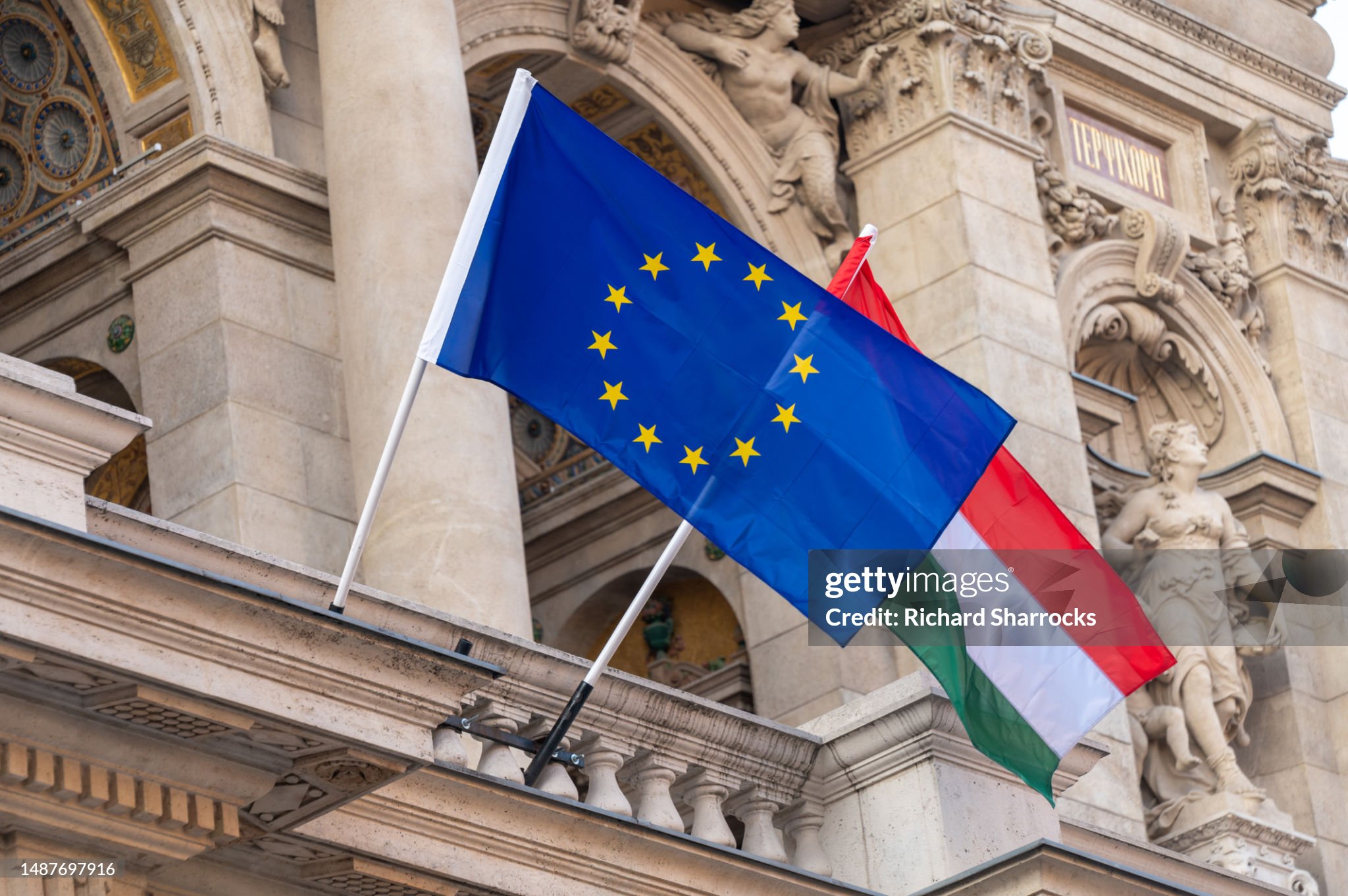
Image courtesy of Getty Images.