SHUMUN XXVII: Diplomacy in Action at Seton Hall’s Largest Conference Yet
Chase Finney
Editor in Chief
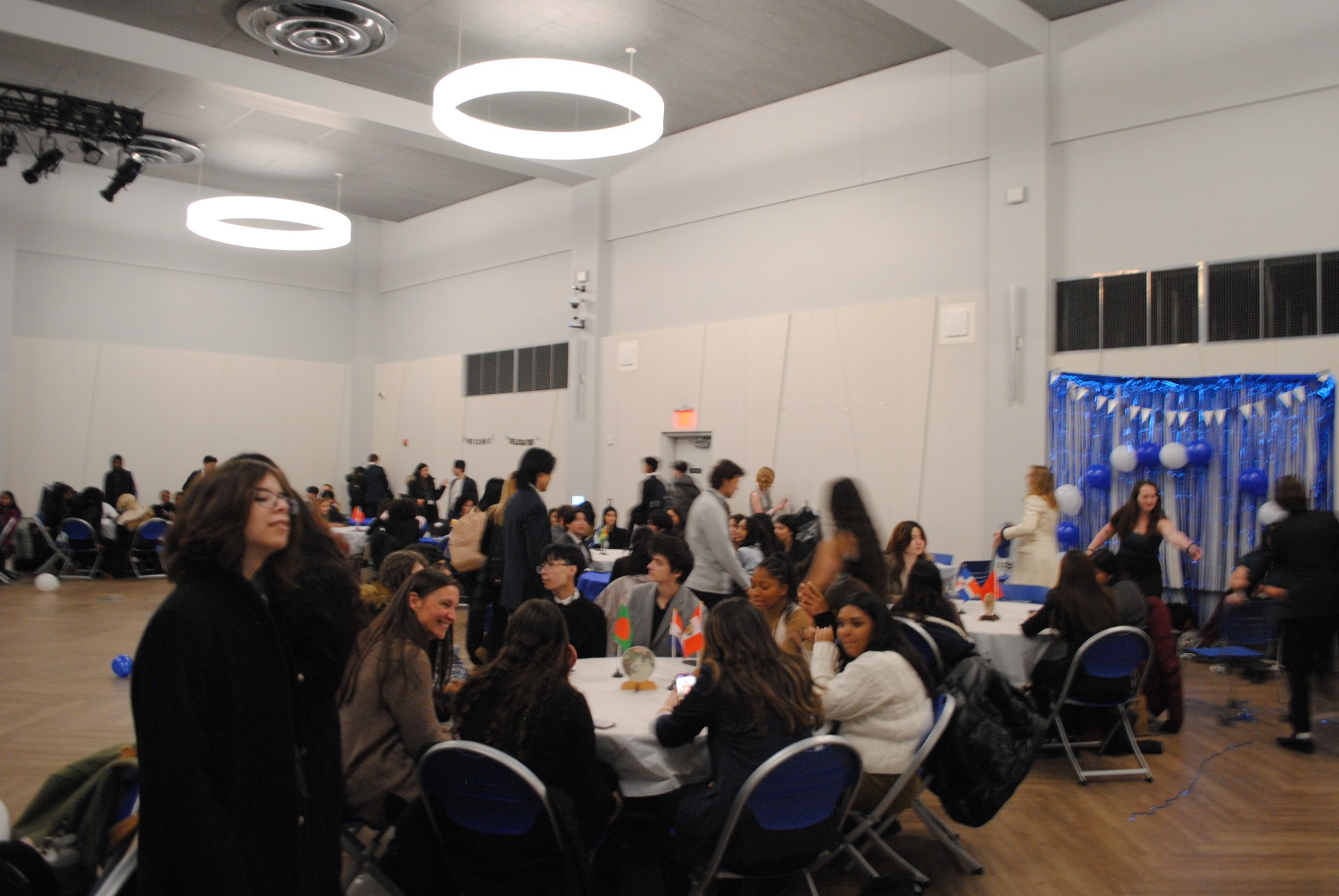
Over the weekend of February 7, 2026, Seton Hall University’s Model United Nations Club hosted its 27th High School Conference on campus, SHUMUN XXVII. The conference was the largest to date in its 27-year history, hosting over 300 students from across New Jersey and the larger area. Students debated global concepts of the past, the present, and the future.
What made SHUMUN XXVII particularly remarkable was not only its record-breaking size, but also the evident preparation and professionalism displayed by its delegates. Weeks before the conference, students immersed themselves in research about their assigned countries or positions, analyzing political stances, economic data, and historical context. By the time they arrived on Seton Hall’s campus, they were prepared not simply to deliver speeches, but to engage in meaningful negotiation. Classrooms were transformed into vibrant arenas of debate, where delegates delivered opening statements, formed blocs during unmoderated caucuses, drafted working papers, and refined resolutions, clause by clause.
The opening ceremony set a collaborative and purposeful tone for the weekend. Delegates, advisors, and staff gathered to hear remarks, emphasizing civil discourse and diplomacy from the guest speaker, author and humanitarian advocate, Betsy Small. The ceremony also highlighted SHUMUN XXVII’s official partnership with the Love You Girl Foundation, connecting the conference’s global discussions to Teen Dating Violence Awareness Month and encouraging delegates to support survivors of domestic violence through initiatives such as conference candygrams. In an increasingly polarized world, the ability to listen thoughtfully and argue respectfully is a skill that cannot be overstated. SHUMUN seeks to cultivate precisely that environment—one where rigorous debate is grounded in research, empathy, and mutual respect.
Beyond formal committee sessions, SHUMUN XXVII fostered connections among students from diverse schools and communities. Hallways filled with discussion as delegates compared notes, refined draft resolutions, and strategized for upcoming moderated caucuses. Between sessions, participants exchanged ideas not only about policy but about future academic and professional aspirations. For many, the conference served as both an intellectual challenge and a reminder that they are part of a broader network of globally engaged peers.
From combating HIV and AIDS in the African Union to the concept of a divided United States, committees spanned a wide range of political realities, challenging delegates to think both historically and futuristically. In the African Union, students confronted the ongoing structural and social barriers that complicate efforts to combat HIV and AIDS, discussing access to healthcare, funding disparities, education initiatives, and the role of international aid. Delegates were tasked not only with identifying the roots of the crisis, but also with crafting pragmatic, regionally informed solutions that balanced sovereignty with cooperation. The depth of discussion demonstrated a sophisticated understanding of public health as both a humanitarian and political issue.
Meanwhile, in a crisis committee centered on a divided United States, delegates grappled with polarization, federalism, and the resilience of democratic institutions. Fast-paced updates forced students to respond in real time, drafting directives and negotiating alliances as the situation evolved. The dynamic nature of crisis simulations pushed delegates to think creatively under pressure, reinforcing the importance of adaptability in leadership.
The success of the weekend was made possible by the dedication of the Seton Hall Model United Nations Club. Months of preparation went into organizing logistics, training committee chairs, developing crisis arcs, and ensuring that each detail—from registration to closing ceremonies—ran smoothly. Their leadership created a structured, yet dynamic environment that allowed high school students to thrive.
At the closing ceremony, awards were presented to recognize excellence in diplomacy, research, and collaboration. Yet the impact of SHUMUN XXVII extended far beyond individual accolades. Every delegate who stepped up to speak, negotiated a compromise, or contributed to a resolution demonstrated growth in confidence and critical thinking. Model United Nations challenges students to articulate complex ideas clearly, defend positions with evidence, and adapt when negotiations shift—skills that will serve them long after the final gavel.
As the conference concluded, the record-breaking attendance reflected more than just numbers; it signaled a continued passion among young people for engaging with global issues. Whether debating public health initiatives or constitutional crises, delegates were able to raise $300 for the cause of domestic violence, supported by the Love You Girl Foundation, and left campus with a deeper understanding of the interconnected world they are preparing to lead. With 27 years of history behind it and its largest conference completed, SHUMUN continues to expand not only in size but in influence. SHUMUN XXVII reaffirmed the enduring value of diplomacy, dialogue, and the belief that even the most complex global challenges can be approached through collaboration, creativity, and informed debate.