Gunmen Launch Deadly Attacks in Nigeria
Aidan Bogan
Staff Writer
Nigeria has had a recent period of internal instability, with extremist insurgent groups such as Boko Haram now being able to operate on both sides of the border with Niger. Nigeria has had to weather the fallout of the additional instability of its northern neighbor, compounding its existing national security challenges. Within the last month, several violent attacks from gunmen have wracked Nigeria, with several hundreds dead across as a result of the massacres. More troubling, these acts of violence do not all appear to be from the same source; with some attacks being committed by Islamic militant groups, while the intentions behind other attacks remain woefully ambiguous. While mass killings fueled by insurgencies and criminal groups are not unheard of in the country, these most recent attacks have left already impoverished communities scarred and demanding justice.
February 4 saw a large-scale assault in the Nigerian state of Kwara, with the villages of Woro and Nuku being the primary targets. According to the Associated Press, the low estimate for the death toll rests at 162 people, however other groups have estimated a higher death toll. The parliamentary representative for the federal Constituencies of Baruten and Kaiama, Mohammad Omar Bio, reported that the culprits of these recent attacks is the insurgent group Lakurawa. Being associated with the Islamic State in the Sahel, Lakurawa has committed several massacres around the country primarily from the northwestern states. To relieve the towns impacted by extremist violence, the Red Cross has been attempting to send humanitarian aid. Ayodeji Emmanuel Babaomo reports that the Red Cross has struggled to access these regions of Kwara state due to poor infrastructure, with this isolation from the nation coming to the disservice of the impacted villages.
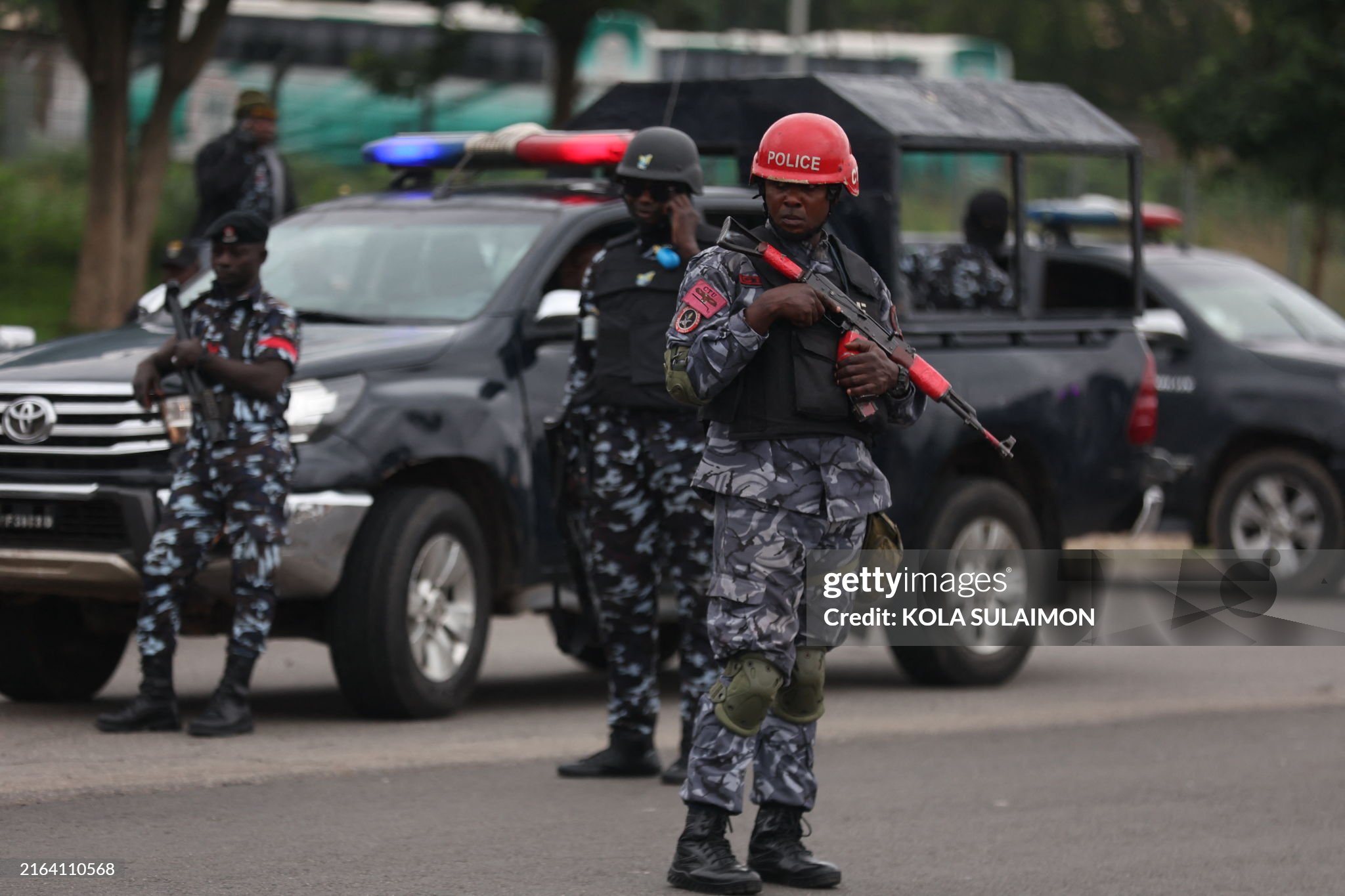
February 14 saw a wide range of attacks across Niger state, with 32 people killed in the towns of Tunga-Makeri, Konkoso and Pissa. The Associated Press reports that the police were unable to prevent the assault by extremist militants, with a resident of Konkoso saying that the gunmen operated freely and were undeterred by any security presence. Aside from the loss of human life, there have also been reports of militants abducting civilians to use them for ransom. More than the deadly assaults, the criminal activity of these extremist groups has served to undermine the authority of the police and the government in these states of Nigeria. A report from BBC News on the attack places emphasis on the criminal aspect of these operations as the killings are often paired with banditry, depriving communities not only of their loved ones, but also of vital resources.
While security teams have since secured control over these towns, their inability for a rapid response has led to many, domestically and abroad, questioning Nigeria’s capacity to defend its citizens. A report from PBS News brings to light another aspect of the attacks in Niger state, stating that “In the past few months, Nigeria has been in the crosshairs of the U.S. government, which has accused the Nigerian authorities of not protecting Christians, although attacks affect both Christians and Muslims.” In this, while the attacks have been carried out by extremists affiliated with Islamic fundamentalism, their actions have impacted communities of all faiths in Nigeria. While the U.S. government has attempted to accuse Nigeria of allowing Christian citizens to be persecuted, the extremist attacks have been largely indiscriminate.
The most recent attack on February 15, as reported by Al Jazeera, shows how the violence continues to escalate with continued attacks in Niger state as, “Religious and community leaders from the Borgu area in Niger State last week called on President Bola Tinubu to establish a military base in the area to put an end to the recurring attacks, Nigerian media reported.” With the public demand for more security in these isolated regions of the country, the Nigerian police as well as the national infrastructure will have to reach out more proactively to these communities before more attacks terrorize citizens.
Image courtesy of Getty Images.