Do Economic Costs Matter in Great Power Politics?
Hasini Muddapu
Staff Writer
Historically, great power wars have influenced and reshaped the global economy through energy markets, geopolitical alliances, and trade. The recent conflict involving Iran depicts the impact of regional conflicts and how they can create global economic consequences.
To begin, a significant economic effect of war is the disruption to energy markets. Iran is in a region that holds critical infrastructure for energy and can trigger huge spikes in gas and oil prices. The Strait of Hormuz is a strait between the Gulf of Oman and the Persian Gulf and is crucial to the movement of the world’s oil supply. According to the Associated Press, this chokepoint holds about one-fifth of the world’s oil supply, meaning that any disruption can cause an immediate increase in prices.
Reuters reports that the recent escalation has already increased oil prices to above $85 per barrel. The Gulf states are also facing disruption in production and have already reduced millions of barrels each day. As a result, businesses face higher production costs, while consumers experience rising electricity and fuel prices.
The Economic Times describes how banks around the world also face the problem of making difficult choices such as raising interest rates. Economic growth can slow down due to tighter monetary policies or also have the possibility of pushing economies toward recession.
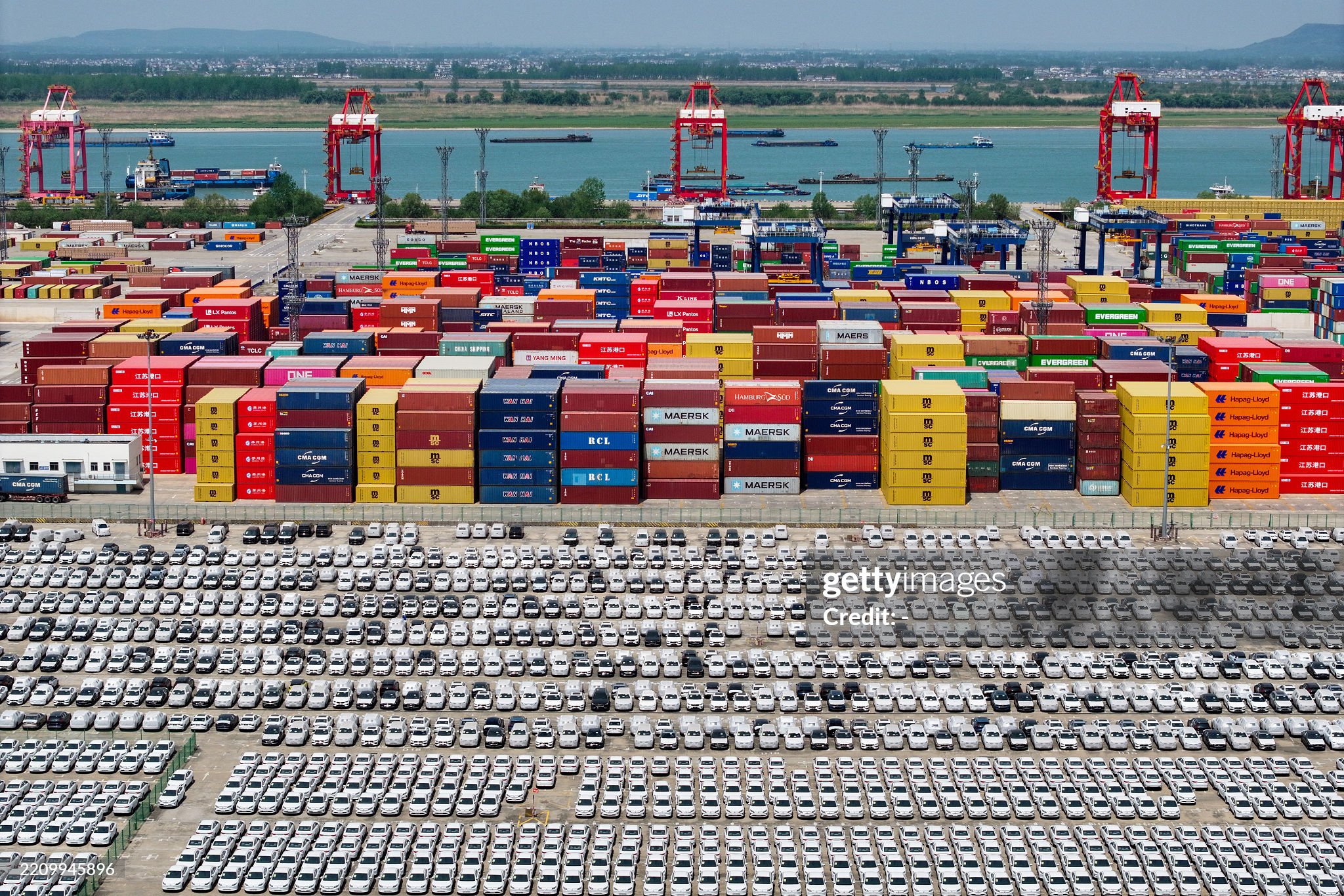
Another economic consequence is the disruption of global supply chains. Factors such as trade routes and industrial production are key for modern globalization. These networks can face difficulties when infrastructure is damaged, sanctions are imposed, or ship routes closing. The Strait of Hormuz is also essential for liquefied natural gas, fertilizers, and other commodities. Many industries and regions will have consequences because of the disruption in these flows.
Many trade routes were forced to shift which raised costs for transportation and delivery times. Due to the closure of airports and also instability in the region, economic activity has reduced in regions like Dubai and other gulf places.
Geopolitical tensions cause many countries to reconsider their dependence on foreign suppliers and trade routes. Governments in turn heavily prioritize diversification and domestic production of vital goods.
Global food security can also be impacted during years involving major energy and fertilizer exports. In energy-rich regions, natural gas and chemical inputs are heavily influenced by fertilizers. According to the Guardian, in this conflict, vulnerable regions face a decrease in crop yields and food shortages.
When facing uncertainty in events like the Iran conflict, investors turn toward safe-haven assets such as government bonds and gold. Stock markets also face a huge impact and tend to decline because of the concerns over slower growth and higher risks. According to Al Jazeera, global stocks has decreased about 5.5 percent since the war began. Great powers often make a lasting impact on the structure of the global economy. For example, Brookings illustrates how the Ukraine and Russia War show that international conflict can separate globalization into different competing economic blocs.
Western economies showed striking coordination when imposing sanctions against Russia, this shows how war is heavily influenced by economic tools.
In the future great power conflicts can influence countries to initiate technology, investment, and trade policies with allies rather than simply economic considerations. Over time, there is a possibility of higher geopolitical competition than globalization.
The Iran conflict has created disruption in energy exports and shipping routes, and this in turn has increased inflation, reduced global trade, and slowed economic growth. Historically, great wars such as the Cold War and World War I have significantly transformed trade patterns, technological development, and economic institutions. The current conflict between Iran and U.S. and Israel shows how even regional wars can impact the world economy through higher energy prices, inflation, financial volatility, and supply chains.
Image courtesy of Getty Images.