H1N1 – The Social Costs of Cultural Confusion
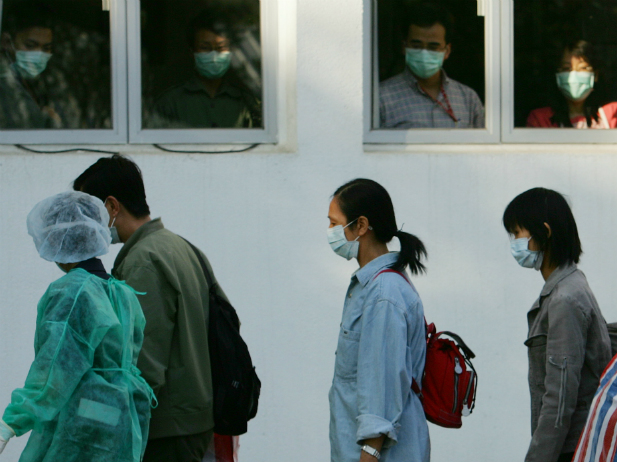
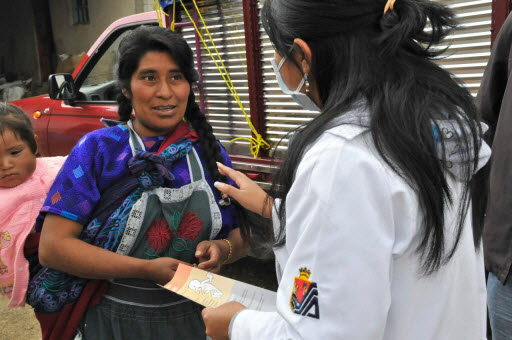
In May 2011, the World Health Assembly received the report of its International Health Regulations Review Committee examining responses to the outbreak of the 2009 H1N1 pandemic influenza and identifying lessons to be learnt. This will emphasized the need for better risk communication in the future. But risk and communication are not objective facts; they are socially mediated cultural products. Responses to crises are not simply determined by the situation at hand, but also mental models developed over protracted periods. Accordingly, those forces responsible for promoting the precautionary approach and encouraging the securitization of health, that both helped encourage a catastrophist outlook in this instance, are unlikely to be held to scrutiny. These cultural confusions have come at an enormous cost to society.

Mandatory Influenza Vaccinations: An Example of Health Promotion Theater
Mandatory Influenza Vaccinations: An Example of Health Promotion Theater Anita Miko and Monica K. Miller In 2009, New York became the first state to issue a policy requiring health care personnel to obtain influenza vaccinations. This law can be described as “health...
Confronting Global Pandemics: Lessons from China and the U.S.
Confronting Global Pandemics: Lessons from China and the U.S. Rachel D. Schwartz and Jonathan Schwartz The 2003 outbreak of SARS and its subsequent spread raised awareness about the global threat of emerging infectious diseases. The Chinese response to this disease,...
The North American Plan for Avian and Pandemic Influenza: A Case Study of Regional Health Security in the 21st Century
The North American Plan for Avian and Pandemic Influenza: A Case Study of Regional Health Security in the 21st Century Donald Howard Avery In August 2007, the governments of Canada, Mexico and the United States established the North American Plan for Avian &...