
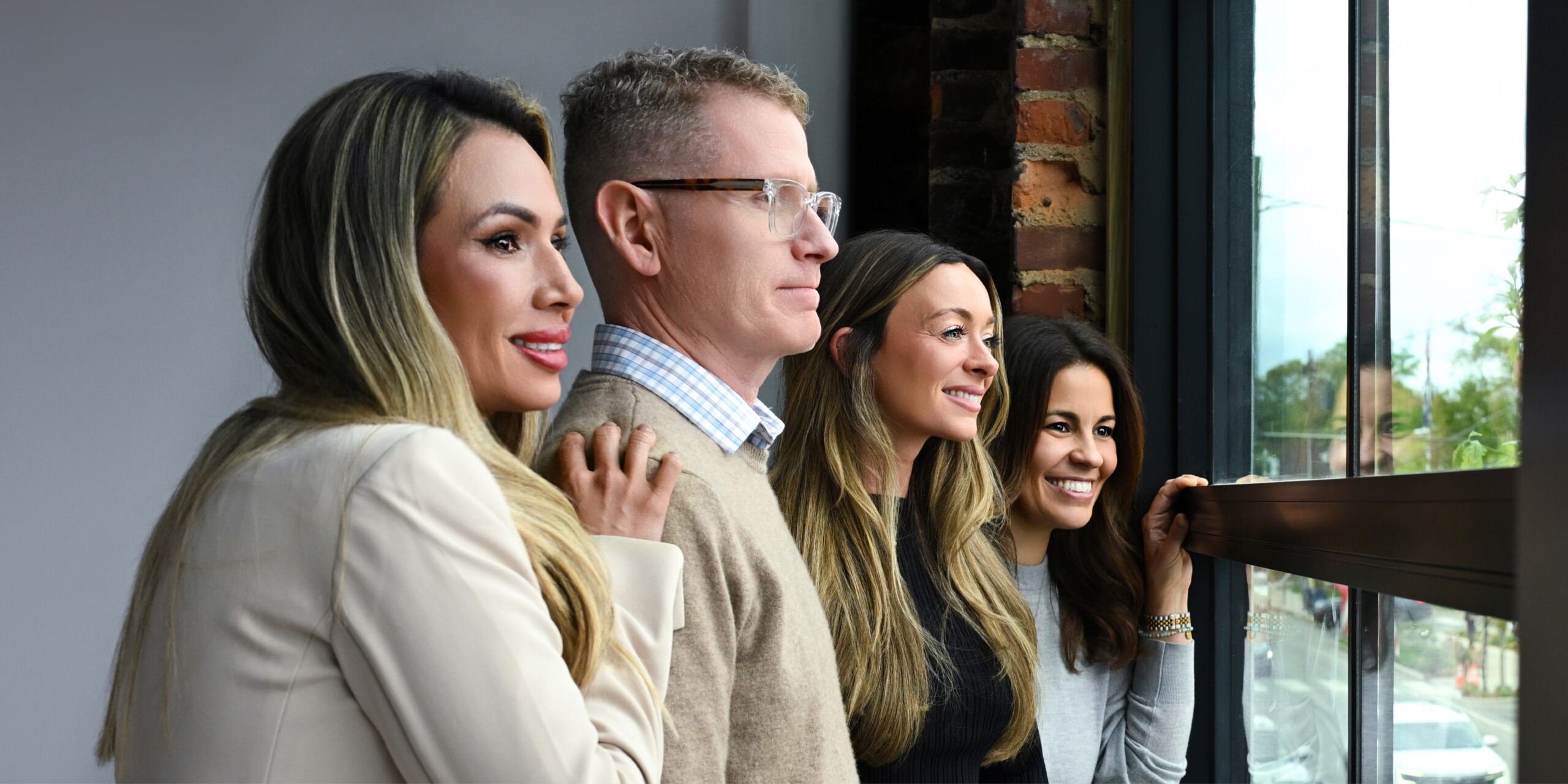
The life-affirming act of donating a kidney links four Student Services employees to their recipients and each other, in a gift of compassion of service.
 Consider the kidneys. They measure about four to five inches tall and two to three inches wide — roughly the size of a fist — and weigh about 10 to 12 ounces. They are a powerhouse of an organ, removing waste and extra fluid from the body and helping the bloodstream maintain a healthy balance of minerals such as sodium, calcium and potassium. While most of us are born with two kidneys, we can survive with just one, which makes every donation of a healthy kidney to someone suffering from kidney failure a lifesaving act.
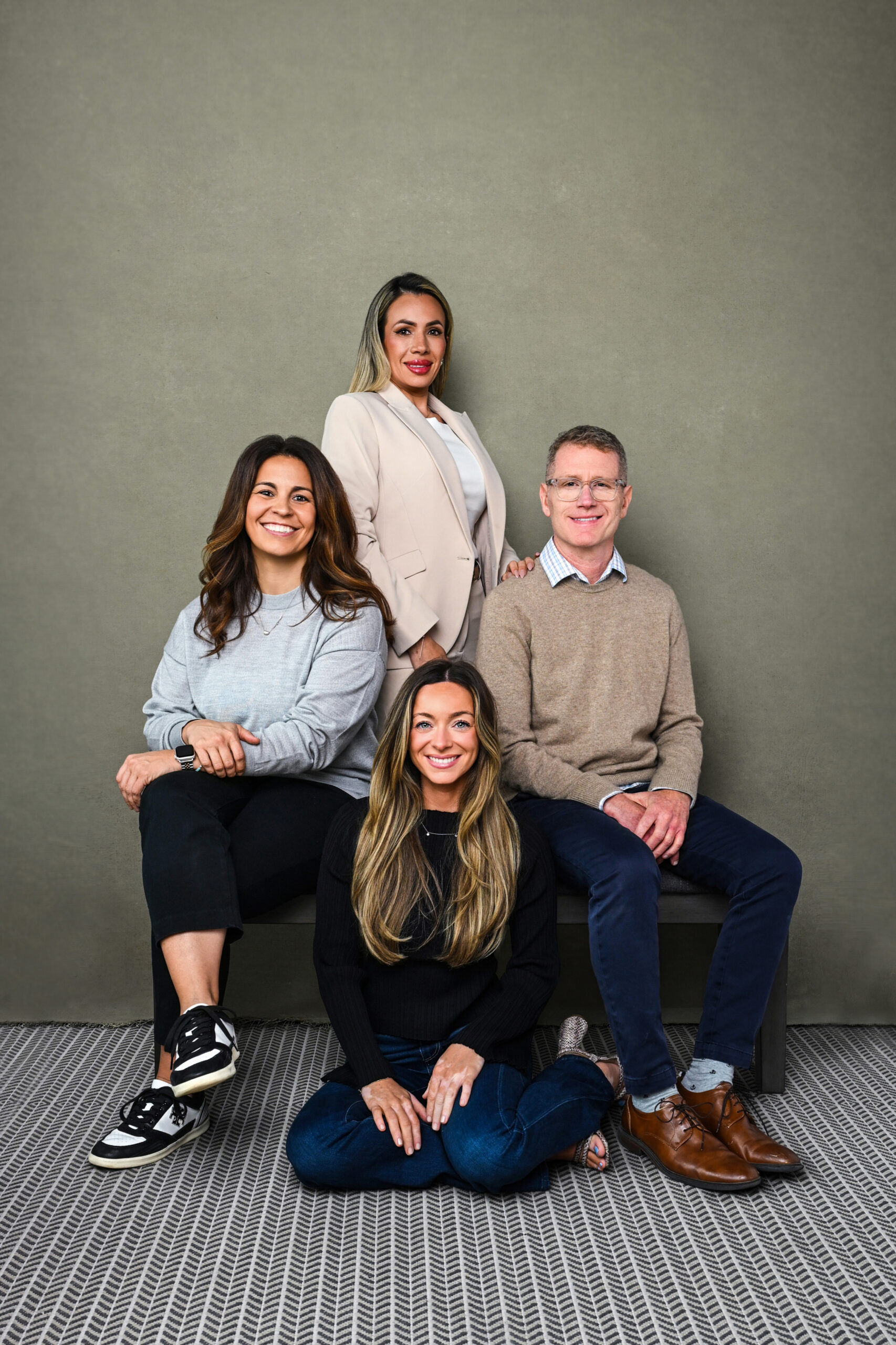
These are the stories of four employees in Seton Hall’s Division of Student Services who have committed this selfless act. Their motivation varied. Matthew Geibel and Amanda Di Donato were trying to help siblings. Gianna Graw donated a kidney to honor her late father. Sandra Vanegas donated hers to her father, helping him live for more than two decades post-transplant. All four kidney donors said, if they could, they’d do it again.
Matthew Geibel ’93/M.B.A. ’95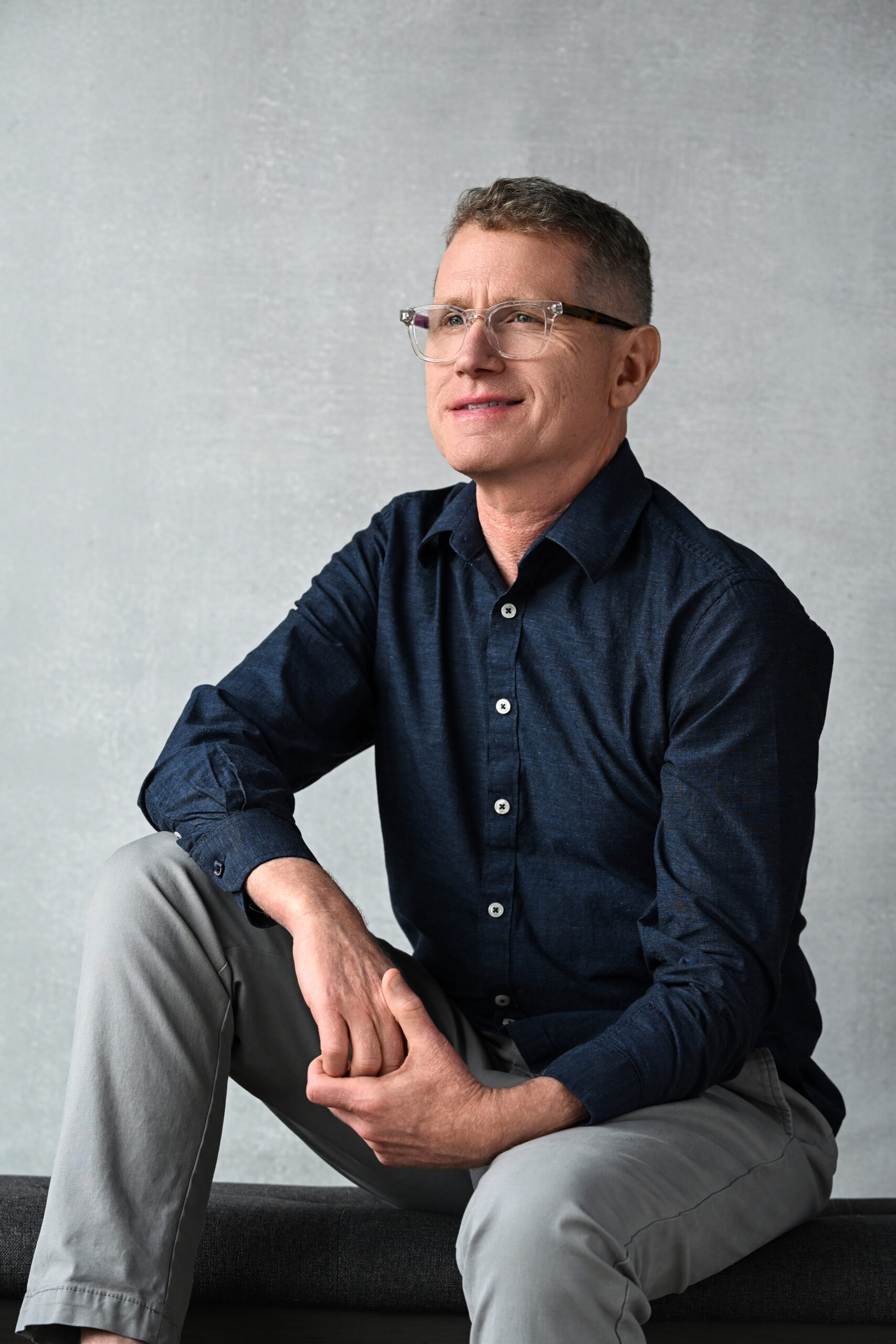
Director of Academic Support Services for Student Athletes
When Matthew (Matt) Geibel learned his older brother was in need of a kidney transplant, he didn’t hesitate to offer one of his own.
Carl Geibel had suffered from chronic kidney disease for years, eventually requiring dialysis, a life-sustaining treatment that filters water and excess fluid from the blood. Carl knew the day might come when he would need a kidney transplant to survive, and in 2012, that day arrived.
Preliminary testing found that Matt did not qualify as a kidney donor for his brother. But a nurse at Our Lady of Lourdes Hospital, in Camden, New Jersey, told Matt about a program run by the National Kidney Registry known as paired kidney exchange. Under the program, Matt would agree to donate his kidney to another person — a complete stranger — who, like his brother, was in need of a transplant. In exchange, the program would find a kidney donor. “There was no doubt,” Matt says. “I was happy to know that I could do something to help. My siblings were disappointed they weren’t able to do it.”
Now they needed a donor for Carl. “Hurry up and wait,” Matt recalls of the process. It took a year, but finally a donor was found. The brothers’ surgeries were scheduled for the same day — October 1, 2013 — at Our Lady of Lourdes. Matt was 42 years old. Carl, the oldest of the five Geibel siblings, was 50.
Matt’s kidney was flown to Baltimore and transplanted into a man at The Johns Hopkins Hospital. Afterward, Matt was thrilled to receive a letter from the recipient. “I got a very big sense of how overjoyed he was and how grateful he was,” Matt says. “Not only for him, but for his family.”
Carl did not fare as well. After several years, his transplanted kidney failed, and Carl needed to return to dialysis. Further testing showed he was not a good match for a second transplant, and he died on July 4, 2020. He was 57.
His brother’s death did not diminish Matt’s belief in the value of kidney donations. “I would do it again, absolutely,” Matt says. “It was by far one of the best things I’ve done. I want people to know this is something you can do.”
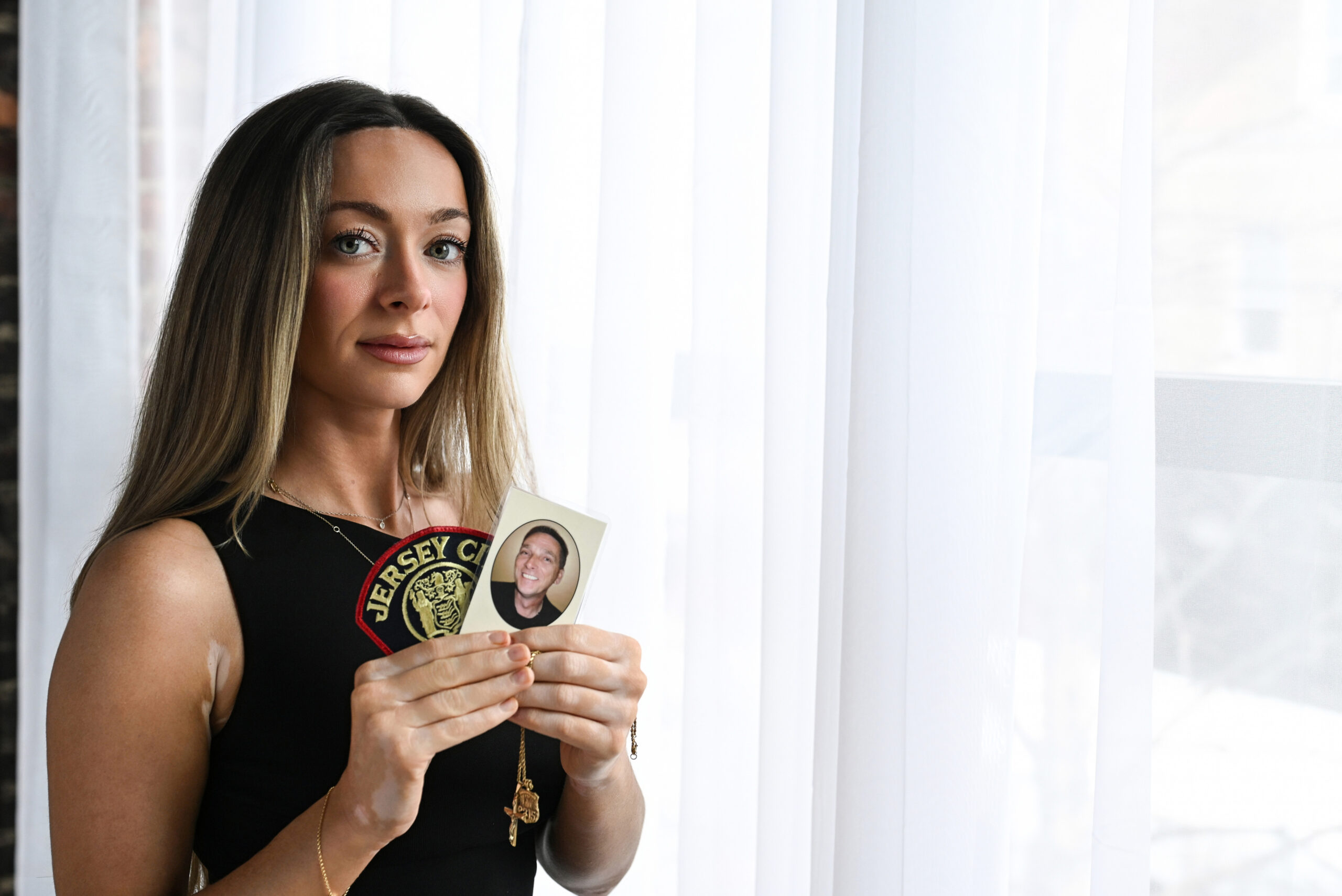 Gianna Graw
Associate Director for Disability Support Services
Gianna Graw was just 20 years old in 2016 when her father, William Graw, died. He had been a Jersey City police officer for 28 years. Besides Gianna and her older sister, Alexandria, he left behind Andrea, his wife of 30 years. “He was known for opening his home and heart to many,” the obituary read, “and his generosity and kindness are legendary.”
Three years after her father’s death, Gianna learned of another Jersey City police officer who needed a kidney transplant. Immediately she thought to donate one of hers. “My dad’s department was so good when he passed away,” Gianna recalls. “So I thought, how full-circle would this be if I had the opportunity to save a Jersey City cop’s life and donate my kidney to him?”
But when Gianna made some phone calls, she was told a donor had already been found. Undeterred, she decided she would donate her kidney to whoever was in need. Her motivation had not changed: She wanted to honor her father. “I was all ready to do it for him,” she says of her father’s fellow officer.” Why not just do it for anyone.”
At Hackensack University Medical Center, Gianna went through the battery of tests — with a social worker, a psychologist, a pharmacist and a nephrologist — required of all prospective kidney donors. Her surgery was scheduled for December 2021, shortly after she completed the final semester of a master’s program in higher education at Montclair State University.
Her kidney was flown immediately to Los Angeles, where it was implanted in a 38-year-old man, a nurse, the father of two daughters, ages 10 and 14. Afterward, he sent Gianna a long letter of gratitude. “Please let me start by saying thank you very much from the bottom of my heart,” he wrote. “You changed my life completely and you made me and my family incredibly happy.”
For Gianna, the letter reinforced her desire to sustain her father’s memory. “It was always just very important for me to do what I could to help another and try to live on his legacy,” she says. “It’s almost been 10 years now, but I just never stopped talking about him, because I never want his spirit to die.”
Sandra Vanegas, Ed.D. ’27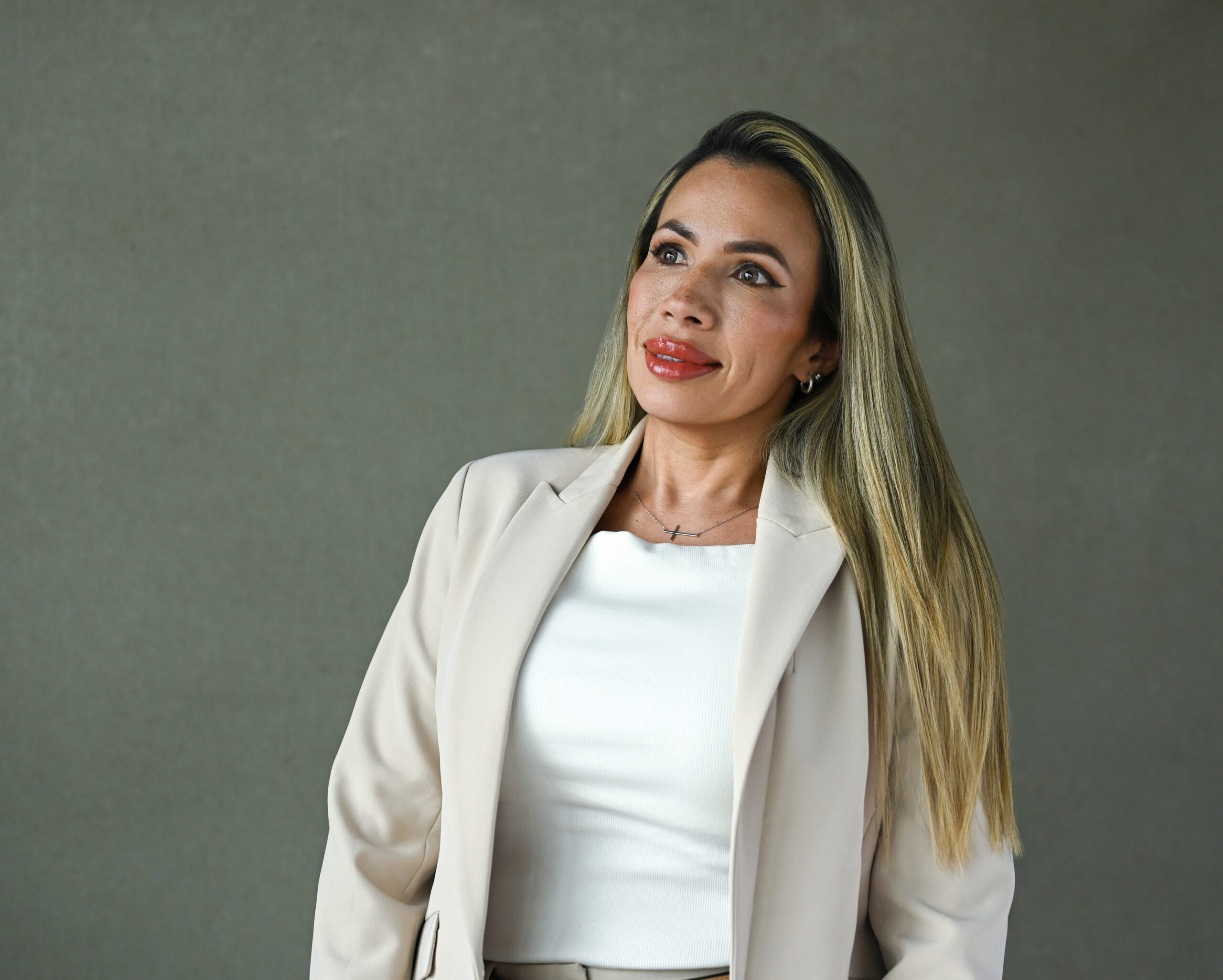
Assistant Director of Academic Services, Educational Opportunity Program
Sandra Vanegas was her father’s first child, and they always shared what she calls “a special connection.” A native of Colombia, Sandra and her family spent much of her youth in Venezuela, where she watched her father, Rafael, cope with an assortment of health challenges. In 1996, when Sandra was 19 years old, Rafael was told he had polycystic kidney disease, which had caused fluid-filled cysts. The doctor described her father’s kidneys as looking like clusters of grapes. His diagnosis would impact both their lives.
Sandra vowed immediately to donate one of her kidneys to her father. “I never had any doubt,” she says. “I was very sure what I wanted to do.”
At the time, she was the only one of three siblings who was 18 — her younger brother was just 3 at the time — and thus eligible to be a donor. Her father asked if she was sure she wanted to go through with the procedure. “I told [my father] I would do it 10 times,” she recalls. “I told him my little brother has a right to have a dad the same way that I had a dad. So I said to [him], ‘Listen. I will donate my kidney with my eyes closed.’”
Their respective surgeries were scheduled to take place in a hospital in Medellin, Colombia, in March 1998. Sandra was 21; her father was 47. As she was going through the extensive preparation process, Sandra recalls, “One of the doctors that was treating my dad told me, ‘If anything happens to you, it’s because it’s going to happen, not because you have just one kidney.’”
Both surgeries went off without a hitch. After her kidney had been transplanted into her father, Sandra visited him in his hospital room. “I remember he was very happy,” she says. “He just hugged me and cried. I think, at that moment, the connection becomes even stronger.”
Rafael Vanegas lived for more than 23 years following his successful kidney transplant, passing away in October 2021, just shy of his 70th birthday. He lived long enough to see Sandra give birth in 2017 to his second granddaughter, Mia Alexandra Penafiel.
 Amanda Di Donato ’07/M.A. ’18
Senior Associate Director of Academic Support Services for Student Athletes
“I have the best family in the world,” Amanda Di Donato says flatly, “and I should always begin every sentence with that.”
So it was not without anguish that Amanda had watched her sister Angela, 17 years her senior, struggle with chronic kidney disease. Amanda had once offered to donate one of her kidneys, but testing showed she was not a match. Years later, when surgery became imminent, Di Donato turned to the paired exchange program run by the National Kidney Registry. “My motivation was that someone was also willing to enter this and do that for my sister,” she says. “Why couldn’t I do that for anyone else. Servant leadership is our guiding principle, and I believe that’s what this was.”
Amanda had learned of the paired exchange program from her Seton Hall colleague, Matt Geibel, who became an altruistic donor so that his brother could receive a kidney from another donor. Of her sister Angela, Amanda says, “I know that she and my other siblings would do the same for me. That’s just kind of how we roll.”
The surgeries were set one week apart in the spring of 2018 at Saint Barnabas Medical Center (today called Cooperman-Barnabas Medical Center) in Livingston, New Jersey. Their participation in the paired exchange program was part of a record chain of 46 kidney transplants, an undertaking later featured on NBC’s Today show.
The doctor who performed Angela’s implant surgery did the same procedure for the recipient of Amanda’s kidney. As Amanda’s mother sat waiting to visit her daughter post-surgery, the doctor approached. “He came out and he saw her,” Amanda says, “and he just said to her, ‘I want to let you know her kidney’s doing really well in its new location.’ So that was heartwarming, and my mom told me that. I felt good.”
Amanda did not learn who received her kidney. But, she says, “I pray for them every day.” And like so many kidney donors before her, she encourages anyone who can to make a similar donation. “I don’t think people realize how they can help,” Amanda says. “I can’t say enough: I have the best family. That was always our motivation. I believe that in giving this gift to Angela, it was a gift to my family.”
Christopher Hann is a freelance writer and editor in New Jersey.



Comments are closed, but trackbacks and pingbacks are open.