The Affordable Care Act and Global Health – David Fidler
The Affordable Care Act and Global Health David P. Fidler, GHG Contributing Blogger James Louis Calamaras Professor of Law, Indiana University Maurer School of Law Oral arguments this week before the U.S. Supreme Court about the Affordable Care Act (ACA) have garnered...
Global Implications of the Contraception Kerfuffle – Joshua Busby
Global Implications of the Contraception Kerfuffle Joshua Busby, Contributing Blogger Assistant Professor of Public Affairs, University of Texas at Austin This is a cross-post with Joshua Busby’s blog on “The Duck of Minerva.” Our readers are surely aware of...
The 2012 Republican Primaries, American Conservatism, and Global Health – David Fidler
The 2012 Republican Primaries, American Conservatism, and Global Health David P. Fidler, Contributing Blogger James Louis Calamaras Professor of Law, Indiana University Maurer School of Law I imagine that, even among this blog’s readers, global health did not come to...
Making Aid Meaningful: An Analysis of Funding Patterns in PEPFAR I
Making Aid Meaningful: An Analysis of Funding Patterns in PEPFAR I Victoria Boggiano A major obstacle to effective foreign aid delivery is the complex bureaucracy that accompanies it. The 2003 United States (US) President’s Emergency Plan for AIDS Relief (PEPFAR),...Multilevel Governance and Complex Threats: The Case of Pandemic Preparedness in the European Union and the United States
Multilevel Governance and Complex Threats: The Case of Pandemic Preparedness in the European Union and the United States Erik Brattberg and Mark Rhinard The scale of dangers...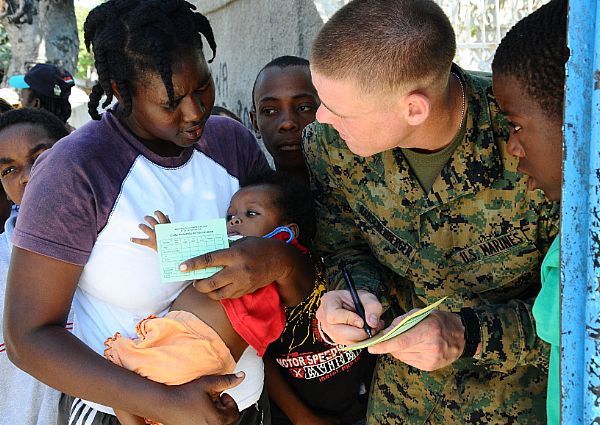
The Security Dividend: What the United States Can Obtain from Investing More in International Health Care Capacity
With their increased emphasis on soft power, both the Bush and Obama Administrations have opened up a new front in the war of ideas regarding who will have the most influence over developing countries as the world moves through the twenty-first century. Currently the political and philosophical differences between the parties of this conflict are not as starkly defined as they were in George Kennan’s historic argument for containment (i.e., there is no “Evil Empire,” and “terrorism” can be a process, act, or method, but not a state). Yet the consequences of losing this international war on poverty have been defined as no less than a tangible threat to U.S. national security interests and moral leadership. This paper narrowly focuses on one particular type of strategy in this new war—foreign aid for health—and how, by helping countries to supply and train more of their own soldiers in this type of fight (i.e., non-physician health workers and surgically trained workers) the United States can achieve the best results in terms of sustainability, cost, and regional impact.
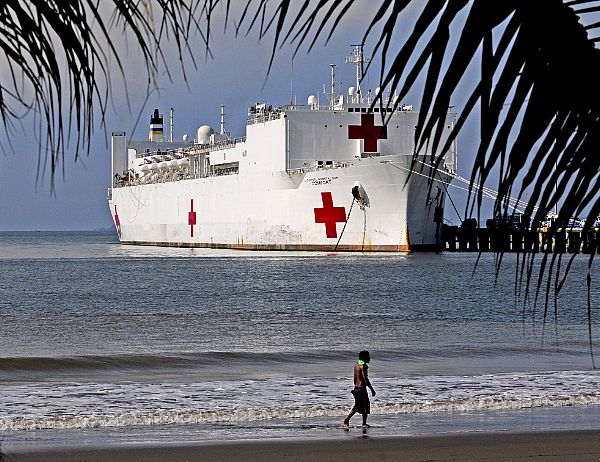
US Military Global Health Engagement since 9/11: Seeking Stability through Health
Following the September 11, 2001 terrorist attacks, the US military expanded its global health engagement as part of broader efforts to stabilize fragile states, formally designating “medical stability operations” as use of Department of Defense (DoD) medical assets to build or sustain indigenous health sector capacity. Medical stability operations have included medical assistance missions launched by US Africa Command and in other regions, deployment of hospital ships to deliver humanitarian assistance and build capacity, and health-related efforts in Afghanistan and Iraq. The public health impact of such initiatives, and their effectiveness in promoting stability is unclear. Moreover, humanitarian actors have expressed concern about military encroachment on the “humanitarian space,” potentially endangering aid workers and populations in need, and violating core principles of humanitarian assistance. The DoD should draw on existing data to determine whether, and under what conditions, health engagement promotes stability overseas and develop a shared understanding with humanitarian actors of core principles to guide its global health engagement.

Confronting Global Pandemics: Lessons from China and the U.S.
Confronting Global Pandemics: Lessons from China and the U.S. Rachel D. Schwartz and Jonathan Schwartz The 2003 outbreak of SARS and its subsequent spread raised awareness about the global threat of emerging infectious diseases. The Chinese response to this disease,...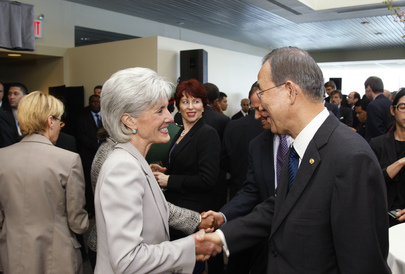
The Application of Key Governance Tools to Understand How Common Health Services Administrations Function
The Application of Key Governance Tools to Understand How Common Health Services Administrations Function Jonathan Matusitz and Gerald-Mark Breen This research analysis aims to examine three particular tools of governance (that is – government insurance, social...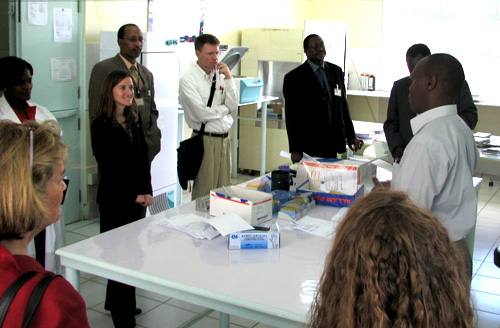
Health Worker Shortages and Inequalities: The Reform of United States Policy
Health Worker Shortages and Inequalities: The Reform of United States Policy Paula O’Brien and Lawrence O. Gostin The United States and other rich countries have done very little to address the dire global shortage of health workers. In some instances, the conduct of...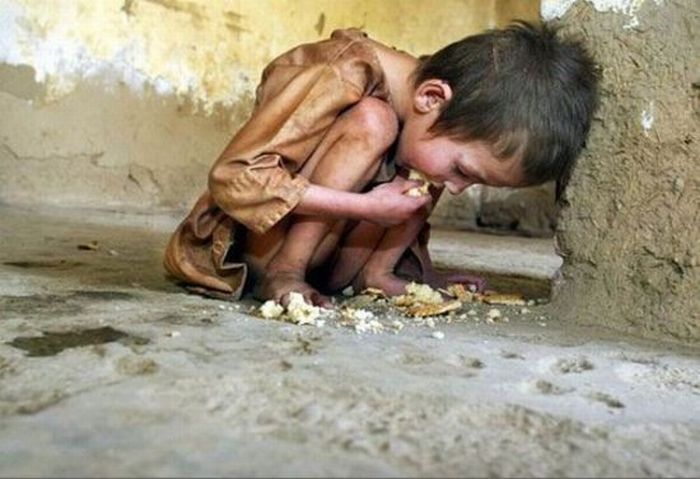
Health Care Reform that Works for the U.S. and for the World’s Poor
Health Care Reform that Works for the U.S. and for the World’s Poor Thomas Pogge Some 18 million people die annually from poverty-related causes. Insofar as present global institutional arrangements foreseeably and avoidably perpetuate this death toll, affluent...