by Madison McHugh | Feb 7, 2018 | Graduate Students, Internship Experiences
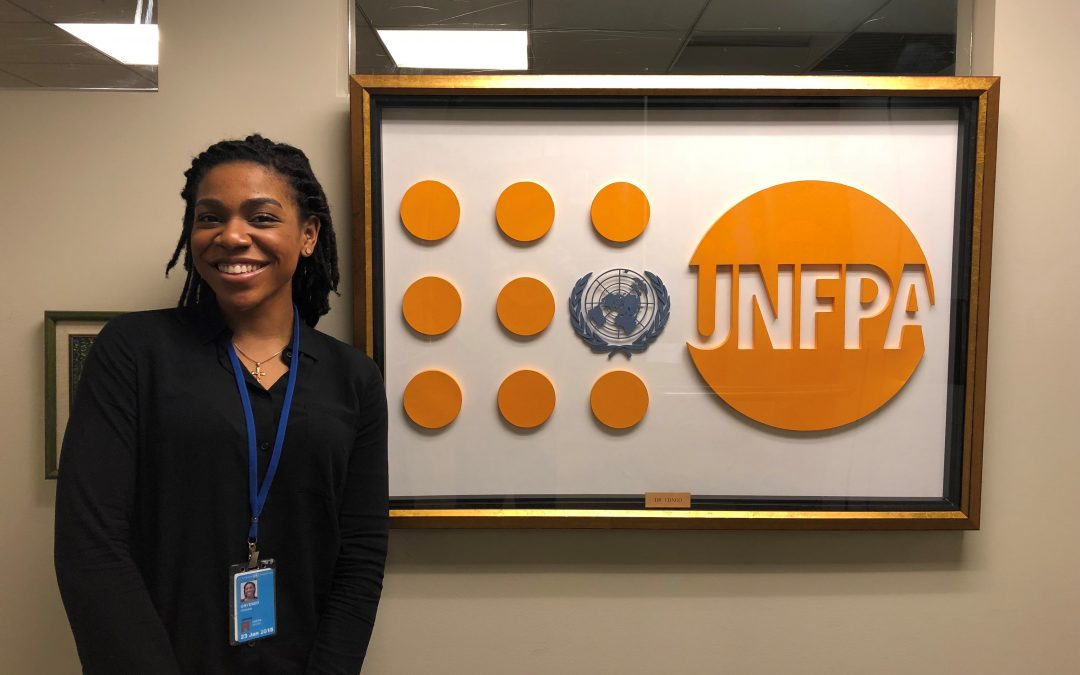
My name is Chiazam Onyenso, and in my final semester within the Master of Arts program in International Relations and Diplomacy, multiple experiences have driven my current desire to continue my academic pursuits as they pertain to international affairs. My interest in collaborative international agencies reflects the internship I’ve committed myself to at the United Nations Population Fund.
My first-year M.A. studies mainly observed the nature of conflict, theories on the correspondence of the international community, resolutions and the management of international institutions that all catalyzed my eagerness to work for the United Nations. As a humanitarian information management intern for its Humanitarian and Fragile Contexts Branch (HFCB), working with the United Nations Population Fund (UNFPA) provided me with relevant knowledge on the effects of crises and the various avenues utilized by UN agencies to provide relief to affected populations and to address critical international issues. I developed exceptional skills in internal correspondence, analyzing and visualizing data, and reporting on fast-paced crisis situations in real-time. My assignments required background knowledge on humanitarian crises along with nurturing a strong understanding of UNFPA’s gender-based violence and health services for youth and women in conflict.
My experience as a UNFPA intern made me increasingly interested in staying with agency, in order to continue learning more on how it functions to fulfill its mandate and begin my career. Since last July, I have assisted HFCB in creating fact sheets, developing situation reports and analyzing information that will gradually populate UNFPA’s newly launched data portal, and the upcoming Humanitarian Action Overview for 2018. At the UNFPA, my work has been greatly complemented by the skills and knowledge I’ve procured through my master studies. Specializing in International Organizations, Global Negotiation and Conflict Management, while also earning a certificate in Post-Conflict Reconstruction and Sustainability has contributed to my understanding of UNFPA’s role and overall humanitarian response. Most of all, I’ve recognized the most crucial capacities of international assistance and aid rely on sound international law.
I hope to broaden my experience in international relations in line with international law. Adequate response to affected populations and vulnerable groups across the globe depends on human rights policy and effective rule of law; essentials that have been made incredibly clear to me at UNFPA.
by Madison McHugh | Jan 24, 2018 | Graduate Students, Internship Experiences
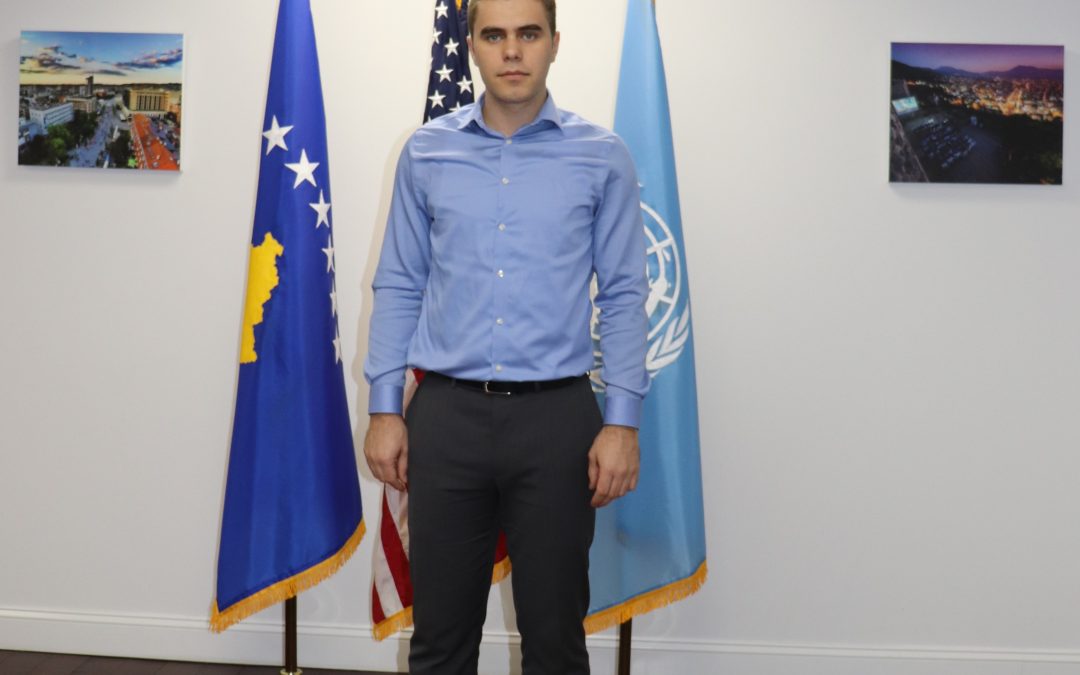
My name is Lis Kabashi, and I am studying International Relations and Diplomacy at Seton Hall University. I come from a city called Mitrovica, which is located in the northern part of Kosovo.
I interned at the Consulate General of the Republic of Kosovo. In contrast to other Consulates, the Consulate General of Kosovo serves a dual purpose. Apart from serving its citizens in the US, the Consulate General also serves as a lobbying ‘mission’ to the UN, seeking more recognition for the Republic of Kosovo.
I decided to intern at the Consulate General of the Republic of Kosovo because in the future I would love to work as a diplomat for my country in one of our Embassies around the world. As the number of countries that recognizes Kosovo has gone up to 114, new Embassies and Consulates are opening up around the world. Thus, demand for experts in international relations and diplomacy has increased. For me, the experience at the Consulate General is a very important first step towards that goal.
My intern duties at the Consulate varied. For example, I prepared news analyses and reports on current events related to the Republic of Kosovo. Such analyses and reports served the purpose of informing the Ministry of Foreign Affairs in Kosovo.
During the UN General Assembly 2017, the Consulate received two High-Level Delegations: Presidential and the Ministry of Foreign Affairs. Along with another intern, I led the efforts in putting together files for each meeting that took place. These files, intended for the Chief of Cabinet for each delegation, consisted of brief biographies and resumes of each High-Level leader. Since most of our classes at the School of Diplomacy require us to learn about foreign policy decision makers from countries all over the world, I think that this is one of many ways how my internship related to my classes at the School of Diplomacy.
The opportunity to work at the Consulate was not only a period in which I learned about diplomacy – it was instrumental in building my professional network. Over two months, I had the honor of meeting Ambassadors and diplomats from various countries and attending functions hosted by different missions at the UN. Almost all of the diplomats that I met shared some of their experience and knowledge with me. Thus, I have learned how to think as a diplomat as well as how leaders protect the interests of their countries.
I recommend the internship to those who are interested in having a career in diplomacy. Apart from meeting key decision makers from all over the world, an intern at a Consulate could also improve their written and verbal communication skills, which are key to becoming a successful diplomat.

by Madison McHugh | Nov 29, 2017 | Graduate Students, Internship Experiences
My name is Marissa Hutton, and I am currently a second year graduate student completing a dual degree in Diplomacy and International Relations and Strategic Communication. During the summer of 2017, I interned at an international communications firm, BLJ Worldwide in New York City. Daily responsibilities varied, but over the course of a week, I would typically produce memos on a variety of topics, create and manage databases of contacts and edit different pieces of writing.
The great thing about BLJ is that it was rare for interns to be tied down to a single project all day. The firm’s numerous clients meant that interns completed multiple tasks in a day and utilized different skill sets to assist the account managers. Even the smallest task of gathering contact information could become a springboard for an account manager to set up vital meetings for clients that could have long-term effects on their business. That was one of my favorite parts of being in the office: no job was too small and everyone appreciated the work done for them.
In terms of diplomacy, my internship required that I write, analyze, and conduct research on multiple current events each day. Our work tended to focus on diplomatic hot spots and areas that are sources of much discussion and analysis for a diplomacy student. Each day, interns ventured into Google News to pull any media mentions in order to create a report that illustrated the “public mood” in a 24-hour period. Due to international events at the time, some clients received an extensive amount of coverage, which then required me to conduct research on the media outlets and institutions discussing them, a process that exposed me to important influencers in the media and academia.
I also found that a large number of the case studies I was asked to analyze in my courses help me complete tasks in my internship. In my communications courses, these studies gave me a bank of examples to look back upon and draw new conclusions from, whereas in my diplomacy courses, the case studies provided me with important background information and policy analyses that I drew upon in writing memos for clients on diplomatic matters and institutions.
In terms of my career choice, this internship provided me with an answer to that ever-looming question: is this really what I want to do with my life? Thankfully, that answer was a resounding yes. My elders always said that if you are able to find enjoyment in all aspects of your career, then you never truly ‘work’ a day in your life. That is what I discovered about myself through my work at BLJ. I sincerely enjoyed everything from media monitoring to editing to the endless amounts of reading required to stay on top of the game. While my past internship experiences provided me with professional skills and knowledge, this one gave me much more: experiential confirmation that I made the right choice.
by Madison McHugh | Nov 1, 2017 | Graduate Students, Internship Experiences
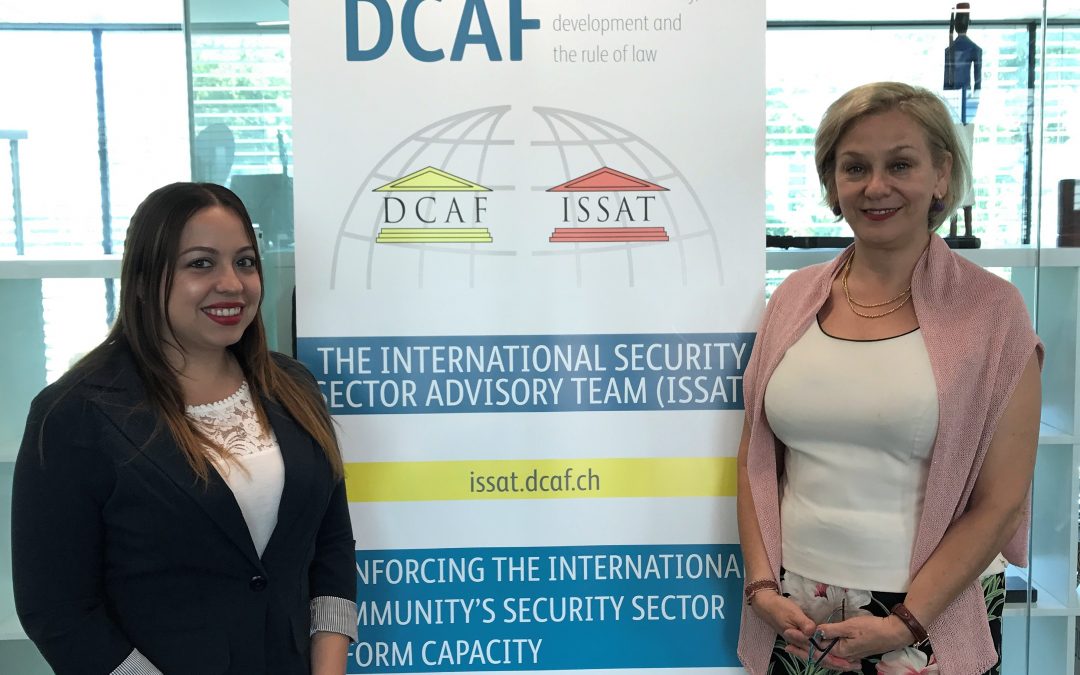
My name is Marisela Rivera, and I am a Master of Arts candidate at Seton Hall`s School of Diplomacy and International Relations. Over the summer I had the pleasure of serving as the Sergio Vieira de Mello Fellow for the Geneva Centre for the Democratic Control of Armed Forces (DCAF) in Geneva, Switzerland, the international capital of the world. The fellowship honors a former United Nations Diplomat, Sergio Vieira de Mello, who was killed in the Canal Hotel bombing in Baghdad, Iraq in 2003. Mr. Vieira de Mello is remembered for his long and distinguished career with the UN as well as his efforts to promote peace, human rights and humanitarian aid.
Like Mr. Vieira de Mello, I am passionate about fulfilling peace and security for all. I specialized in two eminent concentrations to promote peace and security: International Law & Human Rights and International Security. My two specializations and my keen interest in Latin America have well prepared me for the fellowship. My host organization, DCAF, is an international foundation that is well-known for its support of security, development, and the rule of law.
Within the DCAF, I worked for the International Security Advisory Team (ISSAT). ISSAT was created to increase the capacity of the international community to support Security Sector Reform (SSR) processes, enhance the effectiveness and quality of SSR programming, and facilitate the coordination and coherence of international assistance for nationally-driven SSR processes. It focuses on four key services: advisory field support, training and capacity development, knowledge services, and advocacy and outreach.
Prior to my arrival, DCAF created a Latin America and Caribbean (LAC) department dedicated to Security Sector Reform. I worked with the director to set the foundation and sustainability flow for this particular department. Together, we created a strategy for LAC, as well as an overview of donors to the region. I utilized my social media and advertising skills to create a memorable LAC webpage, and I wrote country background notes, particularly in Latin American countries. In addition, I was tasked to develop a knowledge product for the Gender and Security section that applied a gender lens to explore the application of local ownership in SSR. The case study analyzed two countries and explore the lessons learned to increase the discussions on Women, Peace, and Security (WPS).
One of the most challenging and gratifying experiences was familiarizing myself with international security and human rights dialect in Spanish. Being of Colombian descent, Spanish is my first language. However, growing up in America and being part of the public education system, Spanish was not a priority. Through DCAF, I learned the importance of bilingualism and the various opportunities that it brings.
Overall, my time with DCAF was insightful and rewarding. I fulfilled many assignments in my area of study, and I was trusted with the duties of a Project Assistant as well as the work of an SSR Officer. My position at ISSAT offered first-hand experience in SSR, specifically in the international security aspect of my career. Given that this is the second year the Sergio Vieira de Mellow Fellowship was offered to a Seton Hall Graduate student, I would highly recommend my fellow peers to apply for this position in the future, and I know I will cherish the knowledge and experience gained with DCAF forever.
by Madison McHugh | Oct 4, 2017 | Graduate Students, Internship Experiences
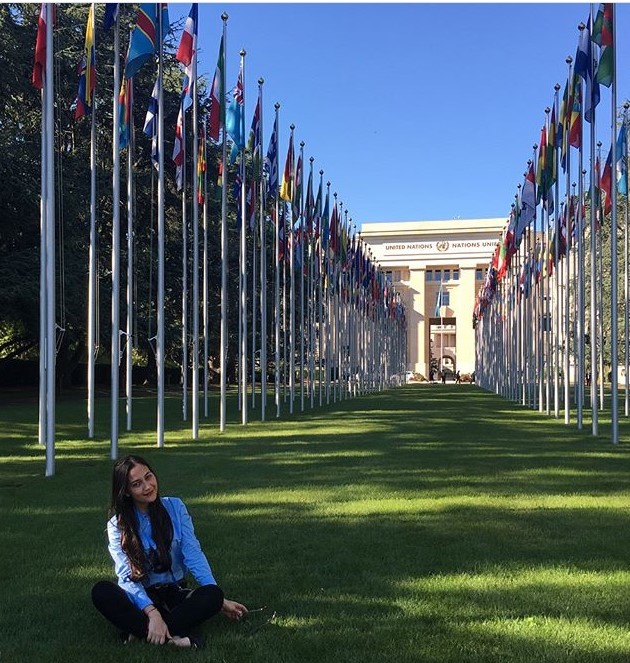
My name is Isabel Deluna, and I am a Diplomacy student at Seton Hall. Switzerland was wonderful: being surrounded by multilateral organizations and diplomats from all over the world made my internship at the Dominican Republic Mission to the UN very interesting. Over the summer, a new Ambassador to the Dominican UN was chosen, and I spent much of my time preparing for his arrival by renewing and updating systems and archives.
At the mission, my primary responsibility was to prepare two types of reports for the Minister of Foreign Affairs at the Dominican Republic following UN meetings. We reported verbal notes for the United Nations to notify of activities or requests, as well as “oficio” reports, which were special reports sent to the Dominican Republic to inform the Ministry of Foreign Affairs of mission developments and changes in events or circumstances. I prepared each report with the information provided and entered them into the record system. Everything at the mission must be put on their record, and the reports were vital to fulfilment of the mission. In addition, I frequently assisted during United Nations sessions and meetings with Dominican Republic participants, helping active participants and observers alike.
I believe the internship helped me to build my professional network. I met a great many Ambassadors and diplomats from multiple missions in Geneva who shared their experiences with me and made recommendations on strategies for my future career. I believe it is important to know the missions’ systems as well as how they manage their representation at the United Nations.
I attended sessions that related to a variety of important topics, including migration, human rights, and indigenous groups. The sessions had a great impact on me, because I was able to see the way diplomats interact with each other and express concern and defend certain topics for the benefit of their respective countries. I feel I gained an understanding of their knowledge and strategies, and thus I learned how to think strategically and manage my expression of my opinions. I believe I can apply much of what I learned in future classes and discussions.
Throughout my internship, I gained skills that will help me ascertain my position on topics of importance as well as maintain and defend it, which amplifies my ability to analyse problems and situations on diverse topics. I am very grateful I was given the opportunity to improve my skills in a direct, diplomatic setting, and I would especially recommend the internship to those who are interested in the UN!
by Catherine Ruby | Jun 6, 2017 | Graduate Students, Internship Experiences
Emily Fox, M.A. May 2017
Carnegie Council on Ethics in International Affairs Internship
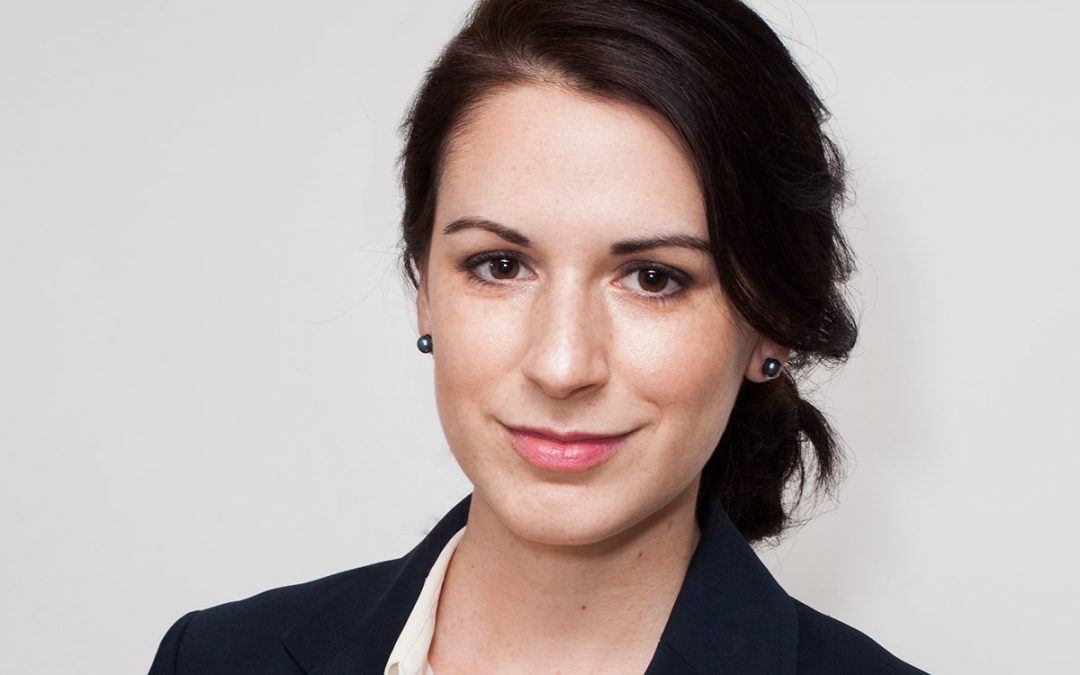
This spring, I had the opportunity to intern with the Carnegie Council on Ethics in International Affairs (EIA). I worked for Ethics & International Affairs, a journal publishing articles on current normative and ethical issues in foreign policy and international relations. One of my duties as an Editorial Intern was to act as the first point of assessment for all incoming submissions. In order to succeed at this task, I needed to have not only a strong theoretical background, but also a degree of familiarity with a wide array of current events. Thankfully, the School of Diplomacy has prepared me for these topics.
One of the most prominent debates in international relations ethics regards the policy and principle of the Responsibility to Protect, and many of the submissions I reviewed dealt with this topic. The knowledge I gained at the School’s United Nations Summer Intensive course was incredibly valuable for formulating assessments of these articles. Being able to hear firsthand from experts such as Hugh Dugan and Ed Luck really strengthened my background on the complexity of these issues and the opportunities and constraints the UN must navigate.
My skills in writing and editorial judgement were strengthened considerably by this internship, and I expanded my knowledge of international affairs by reading articles and essays by scholars. I learned a great deal about publishing and the peer-review process, and am able to participate and contribute in high-level meetings. Though I was lucky to have several years of professional experience prior to being hired at EIA, I have found that each professional environment teaches me something new about organization, communication, and workflow.
Should I choose to pursue a career as an editor, I will be prepared as my internship with EIA taught me a great deal about the requirements and challenges in the field, and has shown me the best practices for working through different stages of publication. As an intern, I often juggled several projects at once. My team at EIA was ready to provide guidance on prioritization and organization, which allowed me to complete my tasks efficiently without sacrificing quality.
The assignment I was most excited to complete at EIA was my book review. Each intern is invited to contribute a short review of a book of their choice for publication online and in the print journal. Because I could choose my book, I was able to pick something in an area in which I am interested. Not only was I able to read a book that interested me, but I also gained valuable writing experience from the exercise.
During my time at the internship, I tried to incorporate feedback whenever possible and volunteered for additional work when able. While I still have many opportunities for improvement, I think that applying these principles helped me to be successful thus far.
I would highly recommend my internship to others. The Carnegie Council is an excellent institution and a great place to be connected to. My coworkers have made me feel like a true member of the team, and their advice and guidance has been incredibly helpful for my professional development.
by Thomas Ashe | Feb 6, 2017 | Graduate Students, Internship Experiences
My name is Kevin Princic. I worked as an intern at the Asia Society Policy Institute in New York City. At Seton Hall University I am a second year graduate student pursuing a Master of Arts Degree in Diplomacy and International Relations with specializations in Foreign Policy Analysis as well as Global Negotiation and Conflict Management.
When applying to attend Seton Hall University’s School of Diplomacy and International Relations, I decided that one of the main goals of my graduate studies would be to branch out in my region of interest, Asia. I have studied Japan and China quite extensively; however, my knowledge of the rest of Asia was quite limited in comparison. With this goal in mind, I began my studies at Seton Hall but little did I know that my ambitions would lead me to an internship of a lifetime. At the School of Diplomacy and International Relations’ orientation, I first heard about the Asia Society from a colleague. She raved about her experience and encouraged me to apply for a position. This summer I took the plunge and applied to the Policy Institute and was so fortunate to receive an internship offer for the fall semester.
My work at the Asia Society Policy Institute has been instrumental in achieving my goal of becoming a well-rounded Asia scholar. One of the core responsibilities for interns with the Policy Institute is to conduct a press scan every day. Every Monday I began my day with a cup of coffee and several dozen news stories spanning all across Asia. It was duty to isolate the relevant stories, summarize them, and compile a list separated by sub-region. The final press scan usually contained around thirty different news articles. This task alone was instrumental in achieving my goal. Although I only completed the press scan on Mondays, I received it every day of the week from the other interns as well. This is just one of many instances in which the Asia Society is a full immersion learning experience.
I found that on more than one occasion that my work in the classroom at Seton Hall relates directly to my work at the Asia Society Policy Institute. For example, I was tasked with preparing a brief on North Korea’s nuclear programs and finding any related data. From my personal research I knew that this type of information was scarce due to North Korea’s isolationist nature. However, my relentless search proved fruitful for both myself and the Asia Society. The data I found helped me make progress on formulating my research design which will eventually become my Master’s Research Project and allowed me to provide a thorough brief to the Policy Institute. This is just one of many instances in which my work at the Asia Society and at Seton Hall intermingled.
The Asia Society Policy Institute is a think/do tank which makes it a little different from the typical think tank. My favorite aspect of the Policy Institute is its hands on approach to policy challenges in Asia. The Asia Society is also well known for its programming, bringing in prominent guests to speak on their research or practice. I was lucky enough to be working at the Asia Society as it held its United Nations General Assembly event series. During this series I assisted with events on topics ranging from North Korea’s nuclear program featuring both scholars and policy practitioners, to a dialogue on the Association of Southeast Asia Nations (ASEAN) 50th anniversary featuring delegates from several ASEAN states. The Asia Society even hosted the leader of Myanmar, Aung San Suu Kyi, who spoke on her efforts to democratize the country and reopen it to the world. Learning from these influential people through these events has been a truly unique and enlightening experience.
My experience at the Asia Society made me feel as though I am a part of something bigger that is having an impact in not only the United States, but also in Asia and even throughout the entire world.
by Catherine Ruby | Nov 1, 2016 | Graduate Students, Internship Experiences
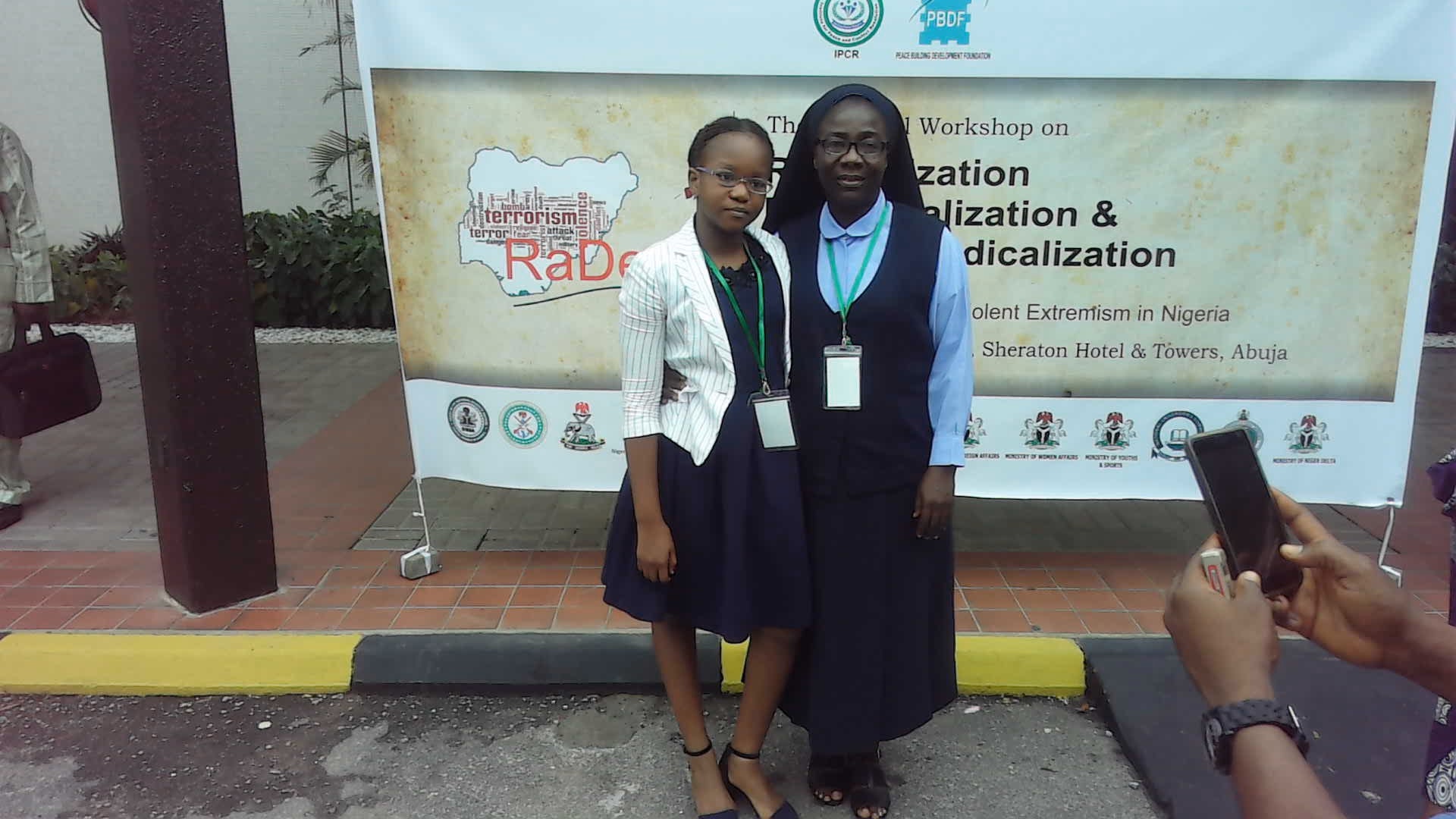
My name is Sister Mary John Bosco Ebere Amakwe and I am a graduate student at the School of Diplomacy and International Relations. I interned at The Institute for Peace and Conflict Resolution (IPCR) in Nigeria – at the Directorate of Internal Conflict Prevention and Resolution as a research assistant. This Institute was founded in 2000 under the Ministry of Foreign Affairs primarily as a research center, think-tank, and agency to strengthen Nigeria’s capacity for the promotion of peace and conflict prevention.
I chose to intern at this Institute because I was born and raised in Nigeria, a complex country where conflict is part of everyday life. I believe something has to be done because there is an urgent need for reconciliation and reconstruction of this great nation known as the “Giant of Africa.” and I want to be part of rebuilding efforts. Ultimately, I want to become a conflict mediator and my internship experience has absolutely solidified that passion to become one.
One of my very first assignments at the institute was to accompany a delegation which included the Director General of the Institute to the Embassy of Hungary that houses the United Nations High Commission for Refugee Agency (UNHCR) in Nigeria. The reason for the visit was to sign a Memorandum of Understanding (MoU) between the Institute and UNHCR. This signing is very important according to the UN Higher Commissioner for Nigeria and the Director General of IPCR because it is a way to formalize the partnership between the two bodies in their effort to further peace building efforts in Nigeria. UNHCR and IPCR also work together with different stakeholders in the country in revamping peace and taking preventive measures to stop conflict so that there will not be refugees and internally displaced people in the country. This is done by creating policy frameworks like personnel building, networking, and the implementation of all initiatives that will bring about conflict prevention and will lead to lasting peace in Nigeria. On July 11, 2016 there was another signing of a Memorandum of Understanding (MoU) between IPCR and Treasure Hunts – an NGO for peace and development in Nigeria which uses artwork, drama, plays, etc. for peace building. This experience fascinated me because it validated what I learned in the classroom and connected my course work as strategies for peacebuilding.
Finally, my internship offered me opportunities for networking. For instance, I had several conversations with Mrs. Paulette Dadey, the UN High Commissioner for Refugees in Nigeria; Mrs. Elizbeth Ekaete, the CEO of Emmanuel Royal Foundation for peacebuilding in families; Dr. Aliyu Ahmed-Hameed, principal consultant for Cardston Consulting Agency on peace research, policy and strategy; Dr. Marane Ngoulla, CEO of TOGUNA (the place of dialogue for peace) Foundation for peace and development. My last visit was with the Coordinator for the African First Ladies Peace Mission; and a member of the Nigerian House of Representatives. We discussed her role as a woman legislator representing her constituency in the House.