by Lauren Levy | Apr 27, 2026
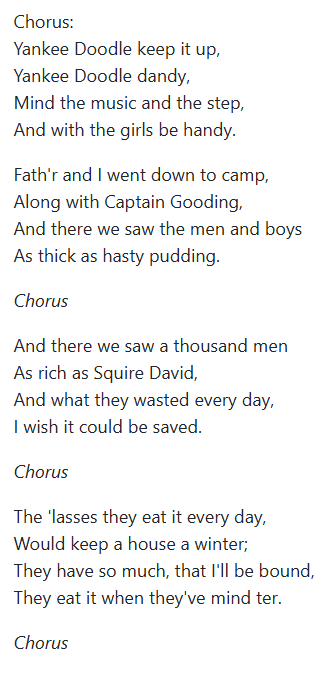
Although the tune of Yankee Doodle was established earlier on, this version of lyrics was made and published in 1755. It was written by Dr. Richard Shuckburgh, who was a British army surgeon and physician at the time.[1] The purpose of him releasing these verses was...
by Najati Salim | Apr 23, 2026
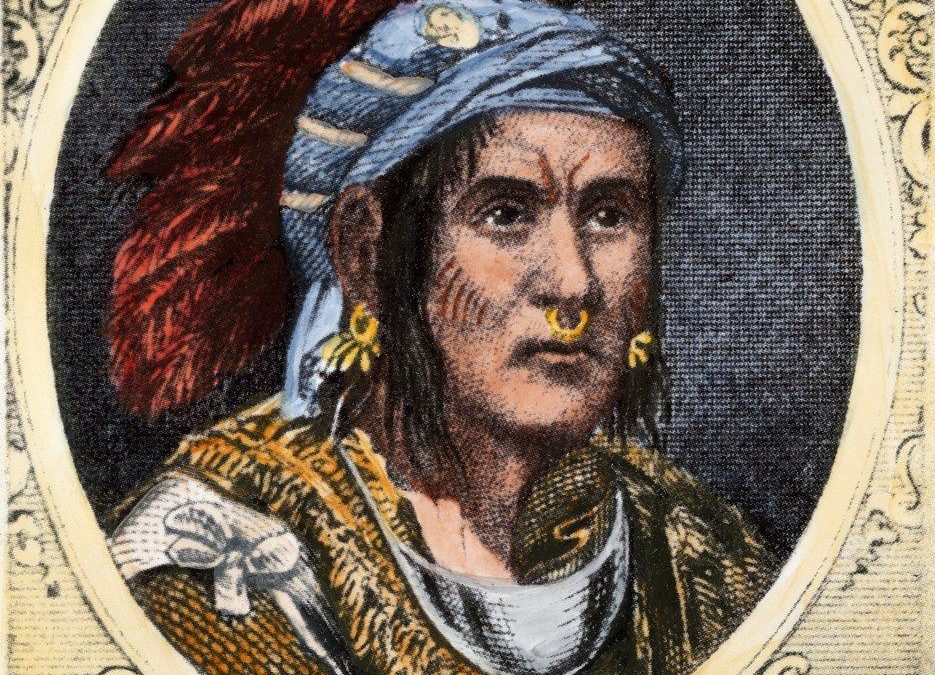
The Pontiac Speech which Pontiac delivered to an Ottawa Potawatomi and Huron council in 1763 functions as a primary source that explains why Native Americans opposed British territorial expansion during the Great Lakes conflicts. Pontiac called on Native...
by Ryan Reich | Apr 23, 2026
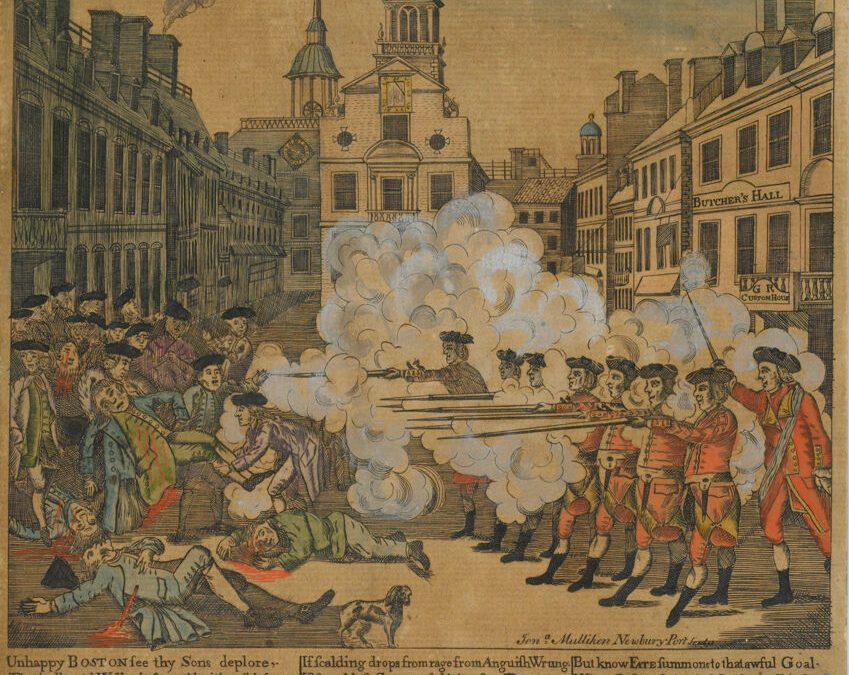
Paul Revere’s engraving of “The Bloody Massacre” in King-Street, Boston has been recognized as one of the most important illustrations during the American Revolution. The engraving was widely reproduced and circulated throughout the colonies in newspapers and...
by Brandon Rosas | Apr 22, 2026
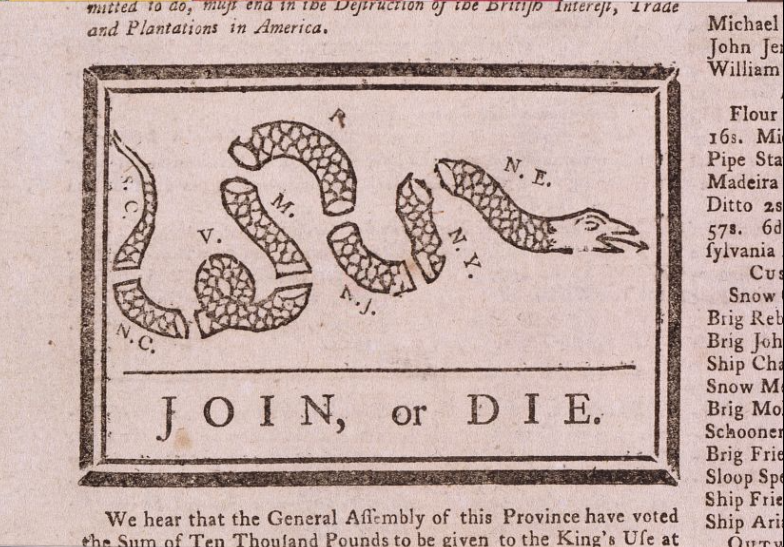
Benjamin Franklin’s “Join, or Die” was first printed in the Pennsylvania Gazette on May 9, 1754. It shows a snake cut into pieces, and each piece stands for one of the British colonies. Under the image are the words “Join, or Die.” The library of Congress describes it...
by Gwendolyn DiNardo | Apr 30, 2025
Paul Revere and The Boston Massacre: Destruction struck in the late hours of the night on March 5th, 1770. Just three weeks later, patriot and silver man, Paul Revere, would showcase what is to be known as one of the most powerful pieces of propaganda during the...