
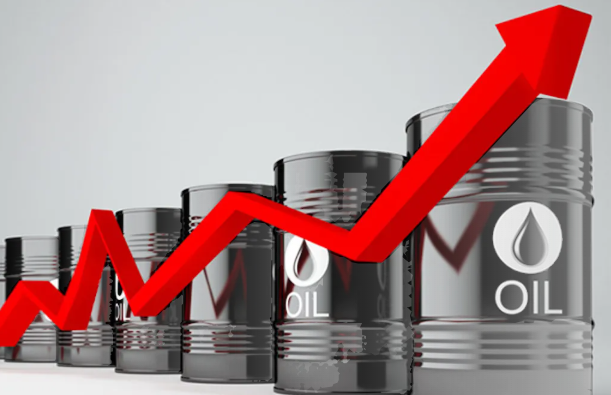
Oil Prices Are Rising Again — What That Means for Inflation
Kenneth Lionel
Staff Writer
Oil prices have started to increase again which causes economic impacts that reach worldwide markets. Energy markets experience cyclical patterns but the current energy price rise attracts attention from policymakers and investors and consumers because it directly impacts inflation. The dynamic operates through fundamental economic principles which people use to understand supply and demand relationships. When supply is abundant and demand is weak prices decrease. The market situation shows the second scenario. The world oil market now faces supply limits while demand exceeds earlier predictions which results in higher prices.
What’s Driving the Price Increase?
Oil prices are increasing because of multiple structural elements and short-term economic factors. The first reason for oil price increases is Supply Constraints which occur when major oil-exporting countries cut production and oil projects lack sufficient investment to operate normally.
OPEC+ maintains market control through its discipline which prevents oil barrels from entering international trade. The second reason for oil price increases is Geopolitical Risk which results from ongoing conflicts in important oil-producing areas that create additional security costs for traders. The markets react quickly to uncertain situations when there is a potential for supply disruptions to occur. The global energy demand has remained strong because emerging markets continue to consume energy despite higher interest rates and economic growth slowdowns in certain areas.
The Inflation Connection
Oil is a foundational input across the global economy, meaning its price influences far more than just gasoline.
- Direct Impact (Energy Costs)
Rising oil prices immediately translate into higher gasoline, diesel, and heating costs. This directly increases headline inflation, which includes energy prices. - Indirect Impact (Cost-Push Inflation)
Oil is embedded in transportation, manufacturing, and logistics. When fuel costs rise:
- Shipping becomes more expensive
- Production costs increase
- Businesses pass these costs onto consumers
This creates cost-push inflation, where rising input costs drive overall price levels higher.
Inflation Expectations
Perhaps most importantly, persistent increases in oil prices can shift consumer and business expectations. If people expect prices to keep rising, they adjust behavior—demanding higher wages or raising prices—which can make inflation more entrenched.
Why This Matters for the Economy
The increase in oil prices makes it difficult for central banks to establish their future course of action.
- Interest Rate Policy: The Federal Reserve and other central banks use interest rates as a tool to achieve their goal of controlling inflation. However, the inflation caused by rising oil prices originates from supply-side factors which make it difficult to handle through monetary policies.
- Consumer Spending: The increased energy expenses function as a “tax” which decreases consumer spending power and results in potential economic recession.
- Market Volatility: Increasing oil prices create financial pressure on publicly traded companies which operate in industries that depend on their operating expenses but provide financial advantages to energy firms. Investment Implications The rising oil prices present two opposing forces for investors because they create both threats and chances.
- Energy Sector Upside: Oil producers and energy companies experience higher profit margins and cash flow growth when oil prices increase.
- Margin Compression Elsewhere: Businesses that face high costs for transporting goods or acquiring production materials will experience a drop in their profit margins.
- Inflation Hedging: Diversified investment portfolios use oil and other commodities as tools to protect against inflationary pressures.
The Bigger Picture
While oil price spikes have historically triggered inflationary periods, the broader impact depends on duration and magnitude. A short-term increase may have limited effects, but sustained high prices could slow disinflation progress and delay rate cuts.
Ultimately, oil remains one of the most influential commodities in the global economy. Its price movements are not just a reflection of supply and demand—they are a signal of broader economic pressures that can shape inflation, policy decisions, and market dynamics.
Contact Kenneth at lionelke@shu.edu