
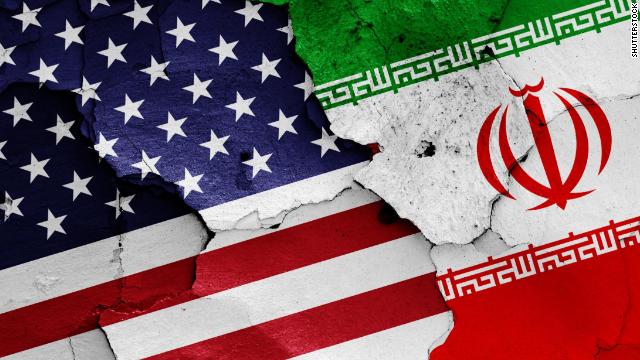
The US-Iran War: An Overview
Sophia Miceli
Staff Writer
The conflict between the United States and Iran has become one of the most pressing geopolitical issues. Although tension between the two countries has existed for decades, recent events have caused it to grow into a much more direct and dangerous situation.
This conflict is not only affecting the Middle East but also impacting people and economies across the globe. However, the relationship between the United States and Iran has not always been confrontational. Prior to the year 1979, the two countries were allies. After the Iranian Revolution, the new Iranian government was formed with a strong stance against the United States. Since then, the two countries have had differences on various matters, such as the nuclear program of Iran and its involvement in regional conflicts. All these differences formed the ground for the conflict we see today.
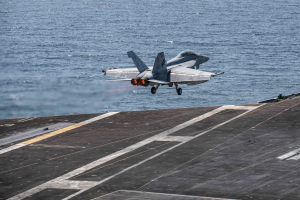
In 2026, things took an aggressive turn when the United States and its allies launched airstrikes against Iran, targeting military and nuclear sites. The Iranian government retaliated by attacking the military and allies of the United States. The conflict is still ongoing, but both parties have many casualties. Many victims in this war are civilians. Some people have lost their homes, and many have had to flee to safer areas. The effect of this war is not only felt by the countries involved. One of the impacts of this war on a global scale is the effect on the oil supply.
A large part of the world’s oil is transported through a key shipping channel called the Strait of Hormuz, which is located near Iran. As a result of this war, this channel has been disrupted, causing problems for gas prices and economic conditions worldwide. Apart from economic concerns, there is also an effect on the environment. The strikes on industries have led to pollution of the environment, as chemicals are being released into the air. This is a long-term effect, and it is possible for it to remain even after the war is over.
There is also a growing concern that the war might get bigger. This is because, with many countries joining in or taking sides, it is possible for it to get out of hand. Many leaders are calling for peace and are trying their best to come up with solutions. However, there is still no solution to the war. Overall, the U.S.–Iran war is a complex and serious issue with global consequences. It affects not only governments and military forces, but also ordinary people, economies, and the environment. Understanding this conflict helps highlight the importance of diplomacy and the need to prevent further escalation in order to protect lives and maintain global stability.
Contact Sophia at sophia.miceli@student.shu.edu