

Neuralink Is Now Human Testing
Kevin Abbaszadeh
Technology Editor
Human trials have officially begun.
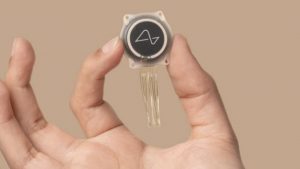
Neuralink, founded by Elon Musk, has started implanting its brain device into human patients. The company’s goal is to help people with severe paralysis regain the ability to communicate and control devices using only their thoughts.
The device is surgically placed into the brain. Tiny electrodes detect electrical activity from neurons and send those signals to a computer. Software then translates the signals into movement on a screen. In early trials, participants have reportedly been able to move a cursor and interact with digital interfaces just by thinking about it.
That is a serious technological leap.
But once you move from animal testing to human brains, the stakes change completely.
This is brain surgery. There are risks of infection, bleeding, hardware failure, and long term complications that no one fully understands yet. If the device stops working, it is not like replacing a phone. It sits inside the skull. If updates change how the software interprets signals, that could affect how the person interacts with the world.
Then there is the data issue.
A device that reads brain activity creates something new: neural data. Even if the current version only detects signals tied to movement, the long term direction of this technology raises obvious privacy concerns. Who owns that data? Where is it stored? Could it be hacked? Could it be subpoenaed? Once information comes directly from someone’s brain, the line between medical device and surveillance tool becomes thinner than people want to admit.
There is also the broader cultural question. Right now, the focus is on medical use. Helping paralyzed patients regain communication is hard to argue against. But technology rarely stays limited to its original purpose. If the device becomes safer and more advanced, it will not stop at medical necessity. Enhancement, performance, and competitive advantage will enter the conversation.
Regulators have approved the trials, but long term oversight will matter more than early success. Brain interface technology does not just affect individual patients. It changes the boundary between human biology and machines.
Human testing is not just another product milestone. It marks the moment where brain interface technology stopped being theoretical and started becoming real. What happens next will depend less on engineering and more on how seriously society takes the risks alongside the rewards.
Contact Kevin at kevin.abbaszadeh@student.shu.edu