
Longest U.S. Government Shutdown Ends; Data Black Hole & Economy Strain Remain
Thomas Huff
Staff Writer
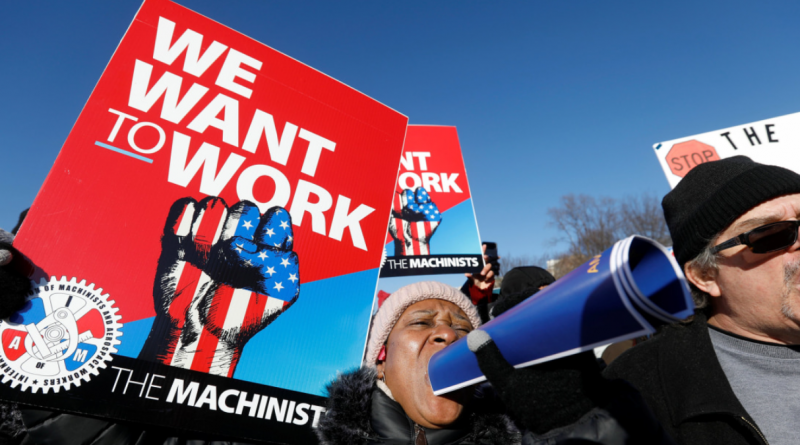
After 43 long days, the longest government shutdown in U.S. history has finally ended — but the economic scars, political bitterness, and public frustration remain fresh. Federal workers are returning to offices that have been frozen since October 1st, agencies are scrambling to recover, and economists are trying to assess the fallout with several weeks of missing federal data.
What’s clear already is that the shutdown didn’t just pause government operations, it left a measurable dent in the U.S. economy.
The shutdown’s economic damage is now documented, and it’s significant.
According to Riley Beggin from The Washington Post, the Congressional Budget Office found that “the U.S. economy will lose between $7 billion and $14 billion because of the federal government shutdown.”
Because the shutdown stretched until roughly November 12th, the CBO projected a permanent loss of about $11 billion in GDP by the end of 2026. That loss grows if the shutdown goes on any longer.
Beggin reports that “Federal workers missing paychecks and the interruption of food benefits for low-income Americans are expected to temporarily lower gross domestic product by one to two percentage points in the fourth quarter of 2025.” That’s not a rounding error, that’s a real hit to growth.
And while some of the slowdown will bounce back now that the government has reopened, not everything will. Beggin cites CBO Director Phillip Swagel, who explains that “the hours lost by furloughed federal workers would permanently affect real GDP, an effect that would get worse the longer the shutdown drags on.” This is the cost not of a recession or a crisis of resources, but of political gridlock.
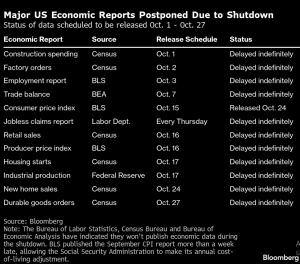
Even with offices reopening, one of the strangest effects after this shutdown is the massive data blackout it caused. For more than six weeks, routine but essential economic data, jobs reports, inflation numbers, retail spending, housing data, simply never came out.
That means policymakers, analysts, and the Federal Reserve are now flying partially blind. Economic decisions that usually rely on data will instead rely on estimates, guesswork, and delayed releases. The shutdown may be over, but the informational damage will take months to be repaired.
The shutdown didn’t just impact national indicators, it impacted families.
Beggin notes that “around 750,000 federal workers have been temporarily furloughed” while many others worked without pay. And beyond workers, millions of Americans relying on government programs were left vulnerable.
One of the most alarming impacts was on food assistance.
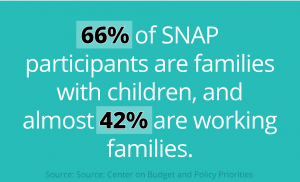
According to Riley Beggin from The Washington Post, the Department of Agriculture warned that “SNAP… is set to run out of funding on Saturday,” meaning benefits would “temporarily halt in states that cannot make up the difference.” Food security, wages, and essential services all became bargaining chips.
Now that the shutdown has ended, agencies face massive backlogs. Weeks of unprocessed claims, paused benefits, and delayed data will take time to unwind. Economists warn that the true cost of the shutdown won’t be fully understood until well into 2026, especially with key federal statistics backed up for weeks or even months.
But one lesson is immediate: a shutdown of this length doesn’t just inconvenience the nation. It weakens its economic stability, its public services, and its sense of trust.
The longest shutdown in U.S. history didn’t end in a grand compromise. It ended the same way it began: with Americans paying the price for a political stalemate. The economy will recover eventually. But the structural vulnerabilities exposed, from food programs to economic reporting, won’t be forgotten anytime soon. Washington may be back open for business, but the bill for its closure is only starting to come due.
Contact Thomas at thomas.huff@student.shu.edu