
Labubus: The Marketing That Made This Creepy Toy a Success
Sheamus Finnegan
Marketing Editor
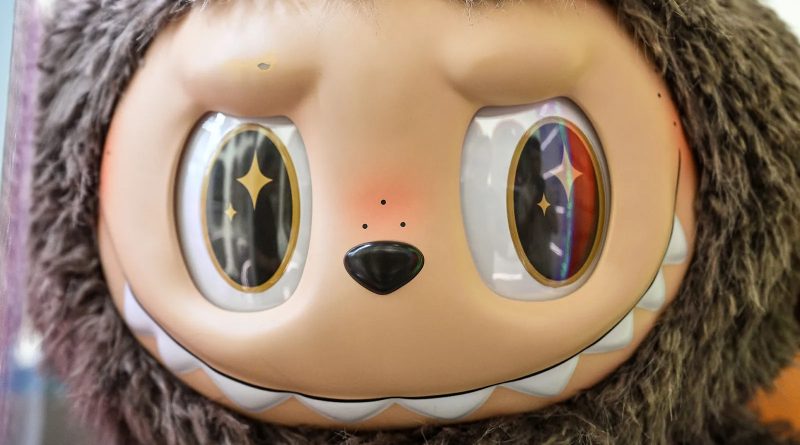
A brand of collectible toys called “Labubus” exploded in popularity in 2024, generating around $423 million for Pop Mart, a Chinese toy company based in Beijing. Labubus are small collectible figures made of plastic and soft material. They sport faces with large eyes, small noses, large ears, and an unsettling grin composed of sharp teeth. Labubu connoisseurs have often described them with the oxymoronic term “ugly-cute.”
Critics, on the other hand, find Labubus creepy. Some have gone as far as calling them demonic. A recent episode of the popular animated sitcom South Park also poked fun at the brand. In the episode, South Park characters were shown using Labubus to perform demonic rituals and summon evil spirits.
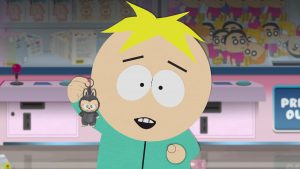
Satire aside, it is safe to say that the massive success of this brand resulted not from the forces of evil, but rather the forces of good marketing.
The success of the Labubu brand is built on a sales method known as the “blind box system.” Under this system, the consumer purchases the toy without knowing which type of Labubu is in the box. This can be compared to selling packs of baseball cards – consumers purchase sealed packs without knowing the contents.
The benefits of this sales technique are manifold. In addition to allowing Pop Mart to artificially create scarcity and exclusivity, the blind box approach also encourages repeat sales. Just as a fan of baseball cards will buy multiple packs in the hopes of procuring a highly coveted card, Labubu enthusiasts are similarly inclined to purchase multiple boxes in the hopes of unboxing a rare or otherwise desirable variety of Labubu. Currently, these blind boxes can be priced anywhere between $30 and $60.
Another advantage of the blind box system is the excitement that surrounds the act of unboxing the toy. It has become a common trend for people to upload videos of themselves opening their Labubus. A quick search on YouTube reveals that these videos generate tens of millions of views.
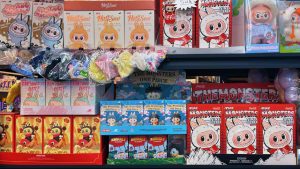
The genius of the blind box approach is this: the act of unboxing the toy is as much a part of the experience as the physical product – and while child can enjoy their Labubu indefinitely, the excitement of opening up said Labubu is a fleeting experience that can only be recreated by spending an additional $35 on a new box.
Some have criticized Pop Mart for taking advantage of child psychology. Various psychologists have equated Labubu sales to gambling and claimed that the blind box sales technique takes advantage of children’s neurological reward system.
The field of psychology has shown that intermittent reinforcement, i.e., rewarding an action on an inconsistent and unpredictable basis, is an extremely effective way of reinforcing a behavior. It is because of intermittent reinforcement that forms of gambling such as slot machines are so addictive. The unpredictability and randomness of wins cause anticipation, which consequently activates dopamine, a key neurotransmitter in the brain’s reward circuit. The behavior is thus reinforced.
The sale of Labubus and other blind box toys is not legally considered gambling, though many substantive similarities exist between the two activities. Like slot machines, these toys were intentionally designed to activate the brain’s reward system to encourage repeat purchases.
Although the Labubu fad has begun to wind down, these disturbing little dolls have been a massive financial success for Pop Mart. Not only has the brand generated millions of dollars in revenue, but it has also shown how marketing and psychology go hand in hand.
Contact Sheamus at finnegs1@shu.edu