

Digital Banking & FinTech: What Teens Should Know About Money Apps
Kaedin Duong
Staff Writer
FinTech: What Teens Should Know About Money Apps
Digitization, rapid technological progress, and continuous innovation are at the forefront of many industries, drastically enhancing accessibility, consumer experiences and reshaping the norms of the next generation. Today, teens are managing more money digitally than ever before. From splitting pizza with friends, to building early savings goals and even online shopping. Traditional bank branches, wallets and even carrying cash are becoming obsolete as money is now moving through “clicks” and “wires” rather than physical monetary transactions. This shift is influencing a generation that interacts with money earlier, faster and in new ways. For today’s teens, this shift is not a future trend. It is their starting point.
The Slimmer and Smarter Wallet of Today’s Teen
The new era of banking is here, as teens are using money differently than previous generations. They pay by tapping their phone, track saving on a dashboard rather than check books, and get their allowance, income, or spending money through digital deposits or transfers rather than checks. This convenience is powerful, but the speed and simplicity of digital finance also raises a critical question. Do teens understand the tools they are using, and do they recognize both the opportunities and the risks?
The Rise of Teen FinTech
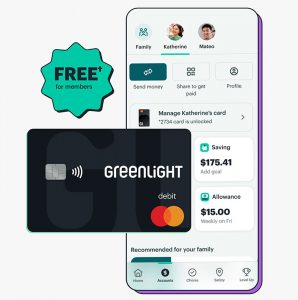
This new era of banking has promoted a new wave of FinTech companies, geared toward teens and assisting in their first introductions to finances and money management. Without identification requirements, minimum balances, or in person visits and waitimes, these new digital platforms emphasize intuitive design and instant accessibility. Apps like Greenlight, Step and GoHenry provide debit cards, saving trackers, and real time spending alerts; all the tools of traditional banks wrapped in a simpler, gamelike interface friendly for teens and their parents. For many teens, these services represent their first real experience managing money, being an essential first step in building financial literacy.
Features That Help Teens Build Good Habits
Greenlight allows teens to manage their money in an organized and effective manner, categorizing their funds into spending, saving, investing, and giving accounts. This function enables teens to develop crucial financial skills such as budgeting, financial planning and the value of money; essential for building long term financial confidence and responsible decision making. Furthermore, the goal tracking tool encourages users to save as they work toward purchases over time, instilling delayed gratification and reinforcing that meaningful goals take planning and patience.
Step offers a no fee account that only permits spending the balance available. This structure teaches teens to live within their means and shows the real consequences of overspending in a low risk setting. Its instant notifications and simple interface help teens understand where their money goes and how small purchases add up.
GoHenry focuses on practical money habits through customizable spending limits, chore and allowance features, and real time spending insights. It guides younger and older teens in setting budgets, learning the value of earning, and developing stronger decision making by reviewing their own spending patterns with parents.
Where Teens Can Go Wrong
Increased freedom and easy access to digital money can promote an unhealthy environment that warrants impulsive decision making, and unhealthy spending habits. The value of money can be lost as cash is spent with quick and easy “taps” rather than tangible transactions creating a disconnection to the value of a dollar as teens lose track and spend more, faster. Peer to peer payments and targeted advertisements can also contribute to this unhealthy environment, since social pressures to keep up with friends and the constant pull of ads create ongoing temptation and encourage impulsive spending.
Without habits to track their balance or review statements, teens can lose track of how much they actually have available. It is important for teens to understand these dangers and how the FinTech landscape is rapidly changing. New platforms appear often, and not all operate with the same level of transparency or regulatory oversight. Teens should acknowledge that not every digital finance platform is equally safe or reliable.
Digital tools are helpful, but they work best when teens pair them with foundational habits. Key lessons include:
– Check balances regularly and review spending alerts.
– Build simple budgets using the categories most apps already provide.
– Understand subscription costs and avoid hidden fees.
– Recognize the difference between saving and investing.
– Treat digital money like physical money. Every tap matters.
Learning these habits early empowers teens to use technology as a support system rather than a shortcut.
A Generation Shaped by FinTech
Money apps are more than tools. They possess the potential to shape how young people think about spending, saving, and responsibility. When used wisely, they can be instrumental to help teens build strong financial habits long before adulthood. The future of banking is already in the hands of teenagers.
The goal now is to learn, apply, educate, and strive!
Contact Kaedin @ kaedin.duong@student.shu.edu
You hit this topic right in the head. It is true, that the spending habits of the young generation nowadays are uncontrollable, because of the lack of proper records and traction. The trend of not keeping money in their pockets can loose traction and proper control of their funds. As a baby boomer we were taught that tangible control of personal funds is like watching yourself in the middle of a forest where only you can save yourself when danger arise against mean predators.