
AI Face Swaps on TikTok Are Getting Out of Control
Kevin Abbaszadeh
Technology Editor
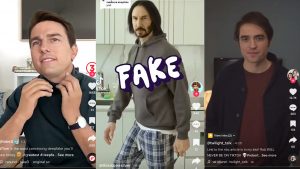
AI face-swap videos have taken over TikTok in a way that very few people anticipated. In the span of a year, the technology went from a playful filter to something far more convincing. The accuracy has improved so much that many viewers can’t immediately tell when a video has been altered. Faces match lighting, expressions line up, and the overall result looks uncomfortably real.
What makes this trend different from past editing fads is how easy it is for anyone to participate. Most of the tools are free, and they only require a single photo to create a full video. That level of accessibility has opened the door to a long list of problems. People are now able to copy someone’s appearance without permission and place them in scenarios they never recorded. Once the video is posted, it spreads quickly, often reaching thousands of viewers before the person being impersonated even knows it exists.
Some creators use face swaps for harmless jokes or celebrity impressions, but a growing amount of content is intentionally misleading. Fake clips circulate with no labels or context, and they pick up traction because the platform is built to reward whatever gets attention. TikTok’s algorithm does not distinguish between genuine footage and AI-generated material, which means users have to do that work themselves. As the technology improves, that becomes harder each day.
Privacy concerns are also becoming more serious. Many of the apps behind these face swaps collect user photos, and their policies rarely explain what happens to that data over time. For everyday people who are being inserted into videos without consent, the lack of transparency adds another layer of risk. Once an image is uploaded, there’s little control over where it goes or how it might be used in the future.
Despite the issues, the trend shows no signs of slowing down. More creators are leaning into AI tools because they boost engagement, and audiences continue to interact with the content even when they suspect it isn’t real. The longer this continues, the more difficult it becomes to draw a clear line between authentic and artificial material on the platform.
AI face swaps are likely to play an even bigger role in online media moving forward. The question now is how platforms like TikTok plan to respond, and whether they can balance innovation with user protection. The technology isn’t the problem on its own; the lack of oversight is. Until that changes, the platform will continue drifting into a space where seeing something with your own eyes no longer guarantees it actually happened.
Contact Kevin at kevin.abbaszadeh@student.shu.edu