Overview
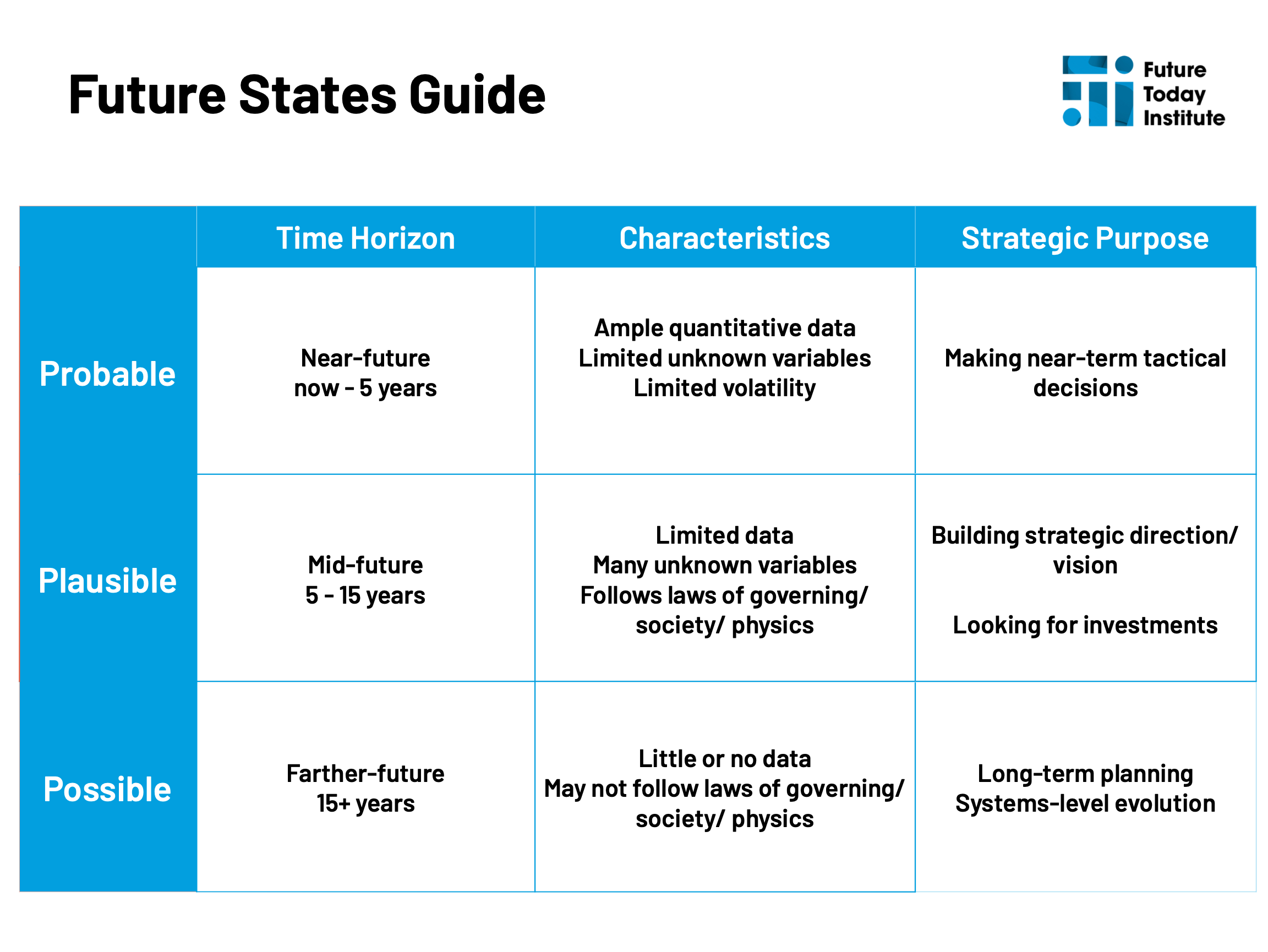
By determining the probable, plausible, and possible actions of cybersecurity that have the potential of taking place, one is able to look closer at different areas that will need the closest attention in the future. The disruptive changes brought on by the internet of things make it even more important to consider aspects of forecasting in each of the realms of cybersecurity analyzed.
Probable
With a large percentage of hackers looking to businesses as their main source of assembling an attack, the person behind the computer screen is able to attain years or possibly even decades worth of information on the population with a click of a button. As seen in the recent attacks on Apple and Meta, various data including IP addresses, phone numbers, and names of customers had been exposed. The vulnerability of these companies, particularly known for their great breakthroughs in the technology space, is alarming. Within the next year, more and more businesses are going to learn the hard way when it comes to cybersecurity. What patterns indicate this?
The war between Ukraine and Russia pursues with the entire world watching. As the world witnesses these attacks play out, government leaders from different countries are trying to come up with solutions that stop the mass destruction in Ukraine from persisting. With the aspect of sanctions becoming imposed upon Russia, Russian hackers and cybercriminals are doing everything in their power to gain funds as their banking system starts to deteriorate. With this in mind, the Biden administration sees the potential of our banking system becoming a greater target than it already is, as sources describe the recent attacks on banks being “subtle but intensified.” Through forecasting, it is predicted that a majority of hacks on the global scale in the next year will come from Russia, in greater retaliation for the sanctions that were imposed.
Plausible
Growth involving the internet of things, artificial intelligence, cloud, robots, and drones has helped push along the industries involving cybersecurity; every industry should be investing in cybersecurity and these disruptive technologies if they want to continue to be a competitor amongst other businesses. This market for data security and privacy in 2025 will reach $500 billion. Due to this market growing at such a rapid pace, the increase in demand for cybersecurity professionals will be even more exponential than it is now because of the cost of cybercrimes rising to $10.5 trillion annually by 2025. The goal by 2025 for so many businesses and governments is to address the concerns of the hacks that have already taken place and utilize preventative measures in order to stop attacks from happening again. In the UC Berkeley report titled “Cybersecurity Features 2025: Insights and Findings,” researchers stated, “the goal of Cybersecurity Futures 2025 is to help decision-makers in government, industry, and civil society reduce frictions, seize opportunities for cooperation, and better prepare for the future.”
As the Biden administration focuses on tackling the issue of cybersecurity, President Biden could create more laws by 2025 mandating businesses to increase internal measures. To strengthen national cyber defenses, the government and international corporations must work together to increase their innovative resources. This will help bridge the divide between corporations and government, even if global efforts prevail for “data-centric security.” It seems that the administration is hopeful to create more jobs and professionals in the field, but they most likely will resort to offshoring, which presents another set of issues.
By 2025, it is expected for there to be more digital rights as 69% of individuals or more will be using the internet at that point; this accounts for the different emerging economies throughout the world. 91% of people in developed countries will be using the internet by then as well. Usage of the internet has become more of a human right rather than a privilege. With this growth comes the increase of artificial intelligence, as this important disruptive element will help to decrease the number of cyberattacks, although there will still be many hacks occurring.
Possible
In the future years to come, cybersecurity efforts will be centralized around computer security algorithms with specific bots that allow for better dependability. This will help resolve issues of human error, which is a great problem in the field of cybersecurity combined with the immediate concern of the lack of workers; it would push further innovation and allow for the advancement of tracking hackers, ultimately discouraging and leveling off future attacks for novice hackers. These bots would work directly with the algorithms and artificial intelligence making reliability a greater factor. What kinds of hacks and attacks would these bots prevent? They would play a significant role in the future of data leaks and threat landscape, large-scale hacks, and supply chain hacks.
With the rise in “Women in STEM” movements, more women in the next ten years will be involved in cybersecurity. This will assist in creating a better understanding of diversity and a greater pool of ideas. Missions such as the WiCyS or Women in Cybersecurity focus on the recruitment of women in the industry, as women feel a greater sense of empowerment by professional communities like these. Currently, only 24% of cybersecurity professionals are women, but the number will continue to grow over the next ten years as inclusive movements persist across the globe.
Conclusion
Over the next decade and more, people from all over the world must pull together their resources to assist in searching for solutions to the various cybersecurity problems. As the growth of technology is becoming more accessible, it must be met with cybersecurity provisions to combat the rise in attacks our globe has been seeing take place.